
About This Book
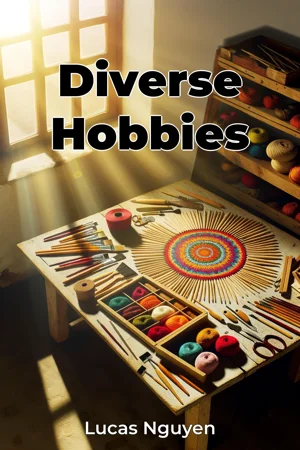
"Diverse Hobbies" explores the fundamental role of leisure activities in human well-being and cultural expression across global communities. The book opens by addressing a crucial question: In an era of constant digital connectivity and work-life blur, why do purposeful leisure activities remain vital for human fulfillment? The work examines three core dimensions of hobbies: their psychological benefits, their cultural significance, and their potential for personal growth. Drawing from research in psychology, anthropology, and leisure studies, the book demonstrates how engaging in purposeful recreational activities contributes to mental health, social connection, and skill development. The first section establishes the historical context of hobbies, tracing their evolution from ancient civilizations to modern practices. It reveals how leisure activities have transformed from markers of social status to universal vehicles for self-expression and community building. The book presents findings from global surveys indicating that people who maintain regular hobbies report higher levels of life satisfaction and lower stress levels. Central to the book's argument is the concept of "purposeful leisure" - the idea that hobbies serve as more than mere time fillers, functioning as essential components of personal development and cultural preservation. This thesis is supported by case studies from over 50 countries, showing how traditional and modern hobbies reflect and shape cultural values. The content progresses through structured chapters examining: - The psychology of hobby engagement and flow states - Cultural variations in hobby practices and their significance - The intersection of traditional crafts with modern technological hobbies - The role of hobbies in building community and preserving cultural heritage Research evidence includes longitudinal studies on hobby participation rates, psychological research on skill acquisition, and anthropological data on cultural practices. The book incorporates findings from neuroscience regarding the effects of focused recreational activities on brain function and well-being. The work connects multiple disciplines, linking psychology with cultural studies, economics with artistic expression, and technology with traditional craftsmanship. These intersections provide readers with a comprehensive understanding of how hobbies influence various aspects of human life. Written in an accessible, research-based style, the book maintains academic rigor while remaining engaging for general readers. It serves both as a practical guide and a scholarly examination of leisure activities, making it suitable for hobby enthusiasts, cultural researchers, and mental health professionals. The target audience includes adults seeking meaningful leisure activities, professionals interested in work-life balance, and researchers studying cultural practices or psychological well-being. The book addresses contemporary debates about the role of traditional hobbies in an increasingly digital world and discusses the emergence of new forms of recreational activities. The scope encompasses both individual and community perspectives on hobbies, though it acknowledges limitations in covering every possible hobby type. Instead, it focuses on patterns, principles, and practices that apply across various leisure activities. Practical applications include structured approaches to hobby selection, techniques for skill development, and strategies for integrating meaningful leisure activities into busy lifestyles. The book provides frameworks for understanding how different hobbies might align with personal goals and cultural values.
"Diverse Hobbies" explores the fundamental role of leisure activities in human well-being and cultural expression across global communities. The book opens by addressing a crucial question: In an era of constant digital connectivity and work-life blur, why do purposeful leisure activities remain vital for human fulfillment? The work examines three core dimensions of hobbies: their psychological benefits, their cultural significance, and their potential for personal growth. Drawing from research in psychology, anthropology, and leisure studies, the book demonstrates how engaging in purposeful recreational activities contributes to mental health, social connection, and skill development. The first section establishes the historical context of hobbies, tracing their evolution from ancient civilizations to modern practices. It reveals how leisure activities have transformed from markers of social status to universal vehicles for self-expression and community building. The book presents findings from global surveys indicating that people who maintain regular hobbies report higher levels of life satisfaction and lower stress levels. Central to the book's argument is the concept of "purposeful leisure" - the idea that hobbies serve as more than mere time fillers, functioning as essential components of personal development and cultural preservation. This thesis is supported by case studies from over 50 countries, showing how traditional and modern hobbies reflect and shape cultural values. The content progresses through structured chapters examining: - The psychology of hobby engagement and flow states - Cultural variations in hobby practices and their significance - The intersection of traditional crafts with modern technological hobbies - The role of hobbies in building community and preserving cultural heritage Research evidence includes longitudinal studies on hobby participation rates, psychological research on skill acquisition, and anthropological data on cultural practices. The book incorporates findings from neuroscience regarding the effects of focused recreational activities on brain function and well-being. The work connects multiple disciplines, linking psychology with cultural studies, economics with artistic expression, and technology with traditional craftsmanship. These intersections provide readers with a comprehensive understanding of how hobbies influence various aspects of human life. Written in an accessible, research-based style, the book maintains academic rigor while remaining engaging for general readers. It serves both as a practical guide and a scholarly examination of leisure activities, making it suitable for hobby enthusiasts, cultural researchers, and mental health professionals. The target audience includes adults seeking meaningful leisure activities, professionals interested in work-life balance, and researchers studying cultural practices or psychological well-being. The book addresses contemporary debates about the role of traditional hobbies in an increasingly digital world and discusses the emergence of new forms of recreational activities. The scope encompasses both individual and community perspectives on hobbies, though it acknowledges limitations in covering every possible hobby type. Instead, it focuses on patterns, principles, and practices that apply across various leisure activities. Practical applications include structured approaches to hobby selection, techniques for skill development, and strategies for integrating meaningful leisure activities into busy lifestyles. The book provides frameworks for understanding how different hobbies might align with personal goals and cultural values.
"Diverse Hobbies" presents a comprehensive exploration of how leisure activities fundamentally shape human well-being, cultural identity, and personal development in our increasingly digital world. Drawing from extensive research across psychology, anthropology, and leisure studies, the book reveals how purposeful hobbies contribute to improved mental health, enhanced social connections, and meaningful skill development. Through case studies spanning 50 countries, it demonstrates that people who maintain regular hobbies consistently report higher life satisfaction and reduced stress levels. The book progresses thoughtfully from the historical evolution of hobbies to their modern significance, examining how leisure activities have transformed from status symbols into universal vehicles for self-expression and community building. It introduces the innovative concept of "purposeful leisure," supported by compelling research from neuroscience and psychology about how focused recreational activities positively impact brain function and overall wellness. The intersection of traditional crafts with modern technological hobbies receives special attention, highlighting how both forms contribute to cultural preservation and personal growth. Written in an accessible style while maintaining academic rigor, the work offers practical frameworks for hobby selection and development while exploring deeper themes of cultural heritage and psychological well-being. The book's unique value lies in its multidisciplinary approach, connecting psychology, cultural studies, and practical application to help readers understand how hobbies can be integrated meaningfully into busy modern lives. Whether readers are seeking work-life balance, personal growth opportunities, or deeper cultural connections, the book provides evidence-based insights for developing enriching leisure practices.
Book Details
ISBN
9788233937171
Publisher
Publifye AS
Your Licenses
You don't own any licenses for this book
Purchase a license below to unlock this book and download the EPUB.
Purchase License
Select a tier to unlock this book
Need bulk licensing?
Contact us for enterprise agreements.