
About This Book
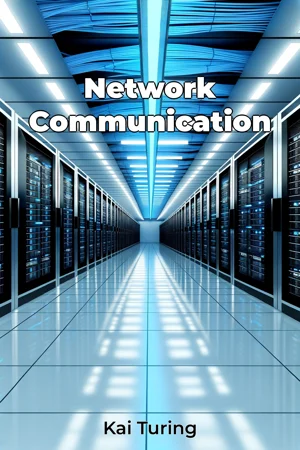
"Network Communication" delves into the fundamental architecture, functionality, and global impact of the Internet, addressing the critical question that many take for granted: How does the vast network that connects billions of devices actually work? The book examines three primary components: the physical infrastructure of the Internet, the protocols that enable data transmission, and the evolutionary journey from ARPANET to today's modern Internet. These elements form the foundation for understanding how digital communication shapes our contemporary world. Beginning with the Internet's origins in the 1960s, the text provides essential historical context about the Cold War's influence on distributed network development and the academic collaboration that led to TCP/IP protocols. Readers need only basic technical literacy to grasp the concepts presented, as complex topics are systematically broken down into digestible components. The central thesis demonstrates how the Internet's decentralized architecture and standardized protocols created a resilient, scalable system that revolutionized global communication. This argument is supported through detailed technical explanations and real-world examples of network operations. The content progresses through three major sections: First, it explores the physical layer, including fiber optic cables, satellites, and networking hardware. Second, it examines data transmission protocols and routing systems. Third, it discusses the application layer, where everyday tools like email and web browsers operate. Supporting evidence comes from technical documentation, case studies of major network deployments, and research from leading institutions in network engineering. The book incorporates data from Internet governance organizations and telecommunications providers to illustrate current network architecture and operations. The work connects to multiple disciplines, including computer science, telecommunications engineering, and information security. It also explores economic implications of Internet infrastructure and social impacts of global connectivity. The book distinguishes itself by presenting technical concepts through a systems-thinking approach, helping readers understand both individual components and their interactions within the larger network ecosystem. Written in a structured, technical style, the text maintains accessibility through carefully defined terminology and clear examples. While technical in nature, it avoids unnecessary jargon and includes practical explanations for complex concepts. The primary audience includes IT professionals, network administrators, and students in technical fields, though it remains valuable for anyone seeking to understand modern digital infrastructure. Following technology writing conventions, the book includes network diagrams, protocol explanations, and technical specifications while maintaining focus on practical understanding rather than theoretical abstractions. The scope covers core Internet technologies and protocols, while acknowledging that specific applications and emerging technologies receive limited coverage to maintain focus on fundamental concepts. Practical applications include troubleshooting network issues, understanding security implications, and making informed decisions about network design and implementation. The book addresses ongoing debates about network neutrality, protocol evolution, and Internet governance, presenting multiple perspectives on these technical and policy challenges. Throughout, the focus remains on explaining the Internet's technical operation while acknowledging its role as critical infrastructure in modern society. This balance of technical detail and practical context provides readers with both theoretical understanding and applicable knowledge.
"Network Communication" delves into the fundamental architecture, functionality, and global impact of the Internet, addressing the critical question that many take for granted: How does the vast network that connects billions of devices actually work? The book examines three primary components: the physical infrastructure of the Internet, the protocols that enable data transmission, and the evolutionary journey from ARPANET to today's modern Internet. These elements form the foundation for understanding how digital communication shapes our contemporary world. Beginning with the Internet's origins in the 1960s, the text provides essential historical context about the Cold War's influence on distributed network development and the academic collaboration that led to TCP/IP protocols. Readers need only basic technical literacy to grasp the concepts presented, as complex topics are systematically broken down into digestible components. The central thesis demonstrates how the Internet's decentralized architecture and standardized protocols created a resilient, scalable system that revolutionized global communication. This argument is supported through detailed technical explanations and real-world examples of network operations. The content progresses through three major sections: First, it explores the physical layer, including fiber optic cables, satellites, and networking hardware. Second, it examines data transmission protocols and routing systems. Third, it discusses the application layer, where everyday tools like email and web browsers operate. Supporting evidence comes from technical documentation, case studies of major network deployments, and research from leading institutions in network engineering. The book incorporates data from Internet governance organizations and telecommunications providers to illustrate current network architecture and operations. The work connects to multiple disciplines, including computer science, telecommunications engineering, and information security. It also explores economic implications of Internet infrastructure and social impacts of global connectivity. The book distinguishes itself by presenting technical concepts through a systems-thinking approach, helping readers understand both individual components and their interactions within the larger network ecosystem. Written in a structured, technical style, the text maintains accessibility through carefully defined terminology and clear examples. While technical in nature, it avoids unnecessary jargon and includes practical explanations for complex concepts. The primary audience includes IT professionals, network administrators, and students in technical fields, though it remains valuable for anyone seeking to understand modern digital infrastructure. Following technology writing conventions, the book includes network diagrams, protocol explanations, and technical specifications while maintaining focus on practical understanding rather than theoretical abstractions. The scope covers core Internet technologies and protocols, while acknowledging that specific applications and emerging technologies receive limited coverage to maintain focus on fundamental concepts. Practical applications include troubleshooting network issues, understanding security implications, and making informed decisions about network design and implementation. The book addresses ongoing debates about network neutrality, protocol evolution, and Internet governance, presenting multiple perspectives on these technical and policy challenges. Throughout, the focus remains on explaining the Internet's technical operation while acknowledging its role as critical infrastructure in modern society. This balance of technical detail and practical context provides readers with both theoretical understanding and applicable knowledge.
"Network Communication" offers a comprehensive exploration of how the Internet's vast network infrastructure connects billions of devices worldwide. The book systematically breaks down complex technical concepts into accessible components, tracing the evolution from ARPANET's Cold War origins to today's sophisticated digital communication systems. Through a well-structured approach, it illuminates the three fundamental pillars of modern networking: physical infrastructure, data transmission protocols, and the application layer that enables everyday internet use. The book uniquely combines technical depth with practical understanding, examining how fiber optic cables, satellites, and networking hardware work in concert with TCP/IP protocols to create a resilient, decentralized system. Real-world examples and case studies from major network deployments illustrate key concepts, while technical documentation from Internet governance organizations provides authoritative context. The text's systems-thinking approach helps readers grasp both individual components and their interconnected roles within the larger network ecosystem. Progressing from physical infrastructure through protocols and finally to applications, the book maintains accessibility while delivering substantial technical insight. It addresses crucial contemporary issues like network neutrality and security, making it particularly valuable for IT professionals and students in technical fields. By balancing theoretical understanding with practical applications, the text serves as both a fundamental guide to network architecture and a practical resource for understanding modern digital infrastructure.
Book Details
ISBN
9788233937164
Publisher
Publifye AS
Your Licenses
You don't own any licenses for this book
Purchase a license below to unlock this book and download the EPUB.
Purchase License
Select a tier to unlock this book
Need bulk licensing?
Contact us for enterprise agreements.