
About This Book
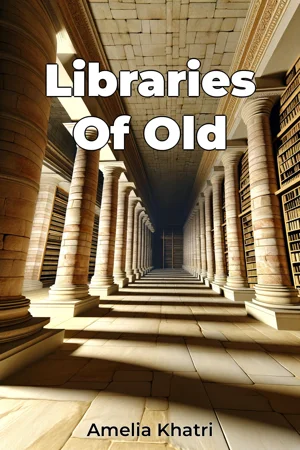
"Libraries of Old" examines the profound role of ancient libraries as repositories of knowledge and centers of intellectual advancement throughout human civilization. The book traces the development of significant library collections from 3000 BCE through the Medieval period, revealing how these institutions shaped cultural and academic progress. The work focuses on three primary areas: the physical structures and preservation methods of ancient libraries, the contents of their collections, and their influence on scholarly development. Beginning with the clay tablet libraries of Mesopotamia, the book chronicles the evolution of information storage and retrieval systems that laid the groundwork for modern library science. The first section explores the architectural and organizational innovations of the Library of Alexandria, which housed an estimated 400,000 scrolls and employed a sophisticated cataloging system. The author presents archaeological evidence and historical documents that illuminate the library's structure and operations, including the development of the first known systematic organization of written works. Central to the book's argument is that ancient libraries served as more than mere storage facilities; they were dynamic institutions that fostered scholarly communities and preserved cultural heritage during periods of political upheaval. This thesis is supported by extensive research from archaeological findings, historical manuscripts, and contemporary academic sources. The second section examines the contents of major libraries in Rome, Constantinople, and the Islamic Golden Age. Through careful analysis of surviving catalogues and references in historical texts, the book reconstructs the scope and nature of these collections. Particular attention is given to the House of Wisdom in Baghdad, which served as a crucial bridge between classical and medieval scholarship. The methodology combines archaeological data, historical documentation, and comparative analysis of surviving texts to create a comprehensive picture of ancient library operations. The research draws from multiple disciplines, including archaeology, philology, and architectural history, to support its conclusions. The book connects to various fields, including education, information science, and cultural preservation. These interdisciplinary links demonstrate how ancient library practices influence modern institutional approaches to knowledge management and preservation. Written in an academic yet accessible style, the work presents complex historical information through clear prose and detailed examples. The target audience includes historians, librarians, and readers interested in the development of intellectual institutions. The scope encompasses major libraries across multiple civilizations while acknowledging gaps in historical records. The author addresses ongoing debates about the accuracy of ancient sources and the true extent of lost collections, presenting multiple scholarly viewpoints where evidence is inconclusive. The book concludes by examining how ancient library practices continue to influence modern archival methods and institutional organization. It provides insights relevant to contemporary discussions about information preservation and access in the digital age. This work stands out through its systematic analysis of primary sources and archaeological evidence, offering readers a thorough understanding of how ancient libraries functioned as centers of learning and cultural preservation. It demonstrates how these institutions developed organizational systems that continue to influence modern information management practices.
"Libraries of Old" examines the profound role of ancient libraries as repositories of knowledge and centers of intellectual advancement throughout human civilization. The book traces the development of significant library collections from 3000 BCE through the Medieval period, revealing how these institutions shaped cultural and academic progress. The work focuses on three primary areas: the physical structures and preservation methods of ancient libraries, the contents of their collections, and their influence on scholarly development. Beginning with the clay tablet libraries of Mesopotamia, the book chronicles the evolution of information storage and retrieval systems that laid the groundwork for modern library science. The first section explores the architectural and organizational innovations of the Library of Alexandria, which housed an estimated 400,000 scrolls and employed a sophisticated cataloging system. The author presents archaeological evidence and historical documents that illuminate the library's structure and operations, including the development of the first known systematic organization of written works. Central to the book's argument is that ancient libraries served as more than mere storage facilities; they were dynamic institutions that fostered scholarly communities and preserved cultural heritage during periods of political upheaval. This thesis is supported by extensive research from archaeological findings, historical manuscripts, and contemporary academic sources. The second section examines the contents of major libraries in Rome, Constantinople, and the Islamic Golden Age. Through careful analysis of surviving catalogues and references in historical texts, the book reconstructs the scope and nature of these collections. Particular attention is given to the House of Wisdom in Baghdad, which served as a crucial bridge between classical and medieval scholarship. The methodology combines archaeological data, historical documentation, and comparative analysis of surviving texts to create a comprehensive picture of ancient library operations. The research draws from multiple disciplines, including archaeology, philology, and architectural history, to support its conclusions. The book connects to various fields, including education, information science, and cultural preservation. These interdisciplinary links demonstrate how ancient library practices influence modern institutional approaches to knowledge management and preservation. Written in an academic yet accessible style, the work presents complex historical information through clear prose and detailed examples. The target audience includes historians, librarians, and readers interested in the development of intellectual institutions. The scope encompasses major libraries across multiple civilizations while acknowledging gaps in historical records. The author addresses ongoing debates about the accuracy of ancient sources and the true extent of lost collections, presenting multiple scholarly viewpoints where evidence is inconclusive. The book concludes by examining how ancient library practices continue to influence modern archival methods and institutional organization. It provides insights relevant to contemporary discussions about information preservation and access in the digital age. This work stands out through its systematic analysis of primary sources and archaeological evidence, offering readers a thorough understanding of how ancient libraries functioned as centers of learning and cultural preservation. It demonstrates how these institutions developed organizational systems that continue to influence modern information management practices.
Libraries of Old presents a captivating exploration of ancient libraries' evolution and their pivotal role in shaping human civilization from 3000 BCE through the Medieval period. Libraries of Old masterfully weaves together archaeological evidence and historical documentation to reveal how these institutions served as both knowledge repositories and vibrant centers of intellectual advancement. Through meticulous research, readers discover the groundbreaking organizational systems of the Library of Alexandria, which housed an astounding 400,000 scrolls, and the influential House of Wisdom in Baghdad, which bridged classical and medieval scholarship. The narrative progresses chronologically, beginning with Mesopotamian clay tablet libraries and advancing through the great institutions of Rome, Constantinople, and the Islamic Golden Age. The author expertly combines archaeological data with historical manuscripts to reconstruct the physical structures, preservation methods, and contents of these remarkable institutions. Particularly fascinating is the revelation of how ancient libraries developed the first systematic organization of written works, laying the foundation for modern library science. What sets this work apart is its comprehensive examination of how ancient libraries functioned as dynamic cultural preservers during political upheaval, rather than mere storage facilities. The book demonstrates how these early practices continue to influence contemporary information management and archival methods, making it invaluable for historians, librarians, and anyone interested in the evolution of knowledge preservation. Through clear prose and detailed examples, readers gain a profound understanding of how these scholarly institutions shaped the intellectual landscape of their time and continue to influence our approach to information organization today.
Book Details
ISBN
9788233937140
Publisher
Publifye AS
Your Licenses
You don't own any licenses for this book
Purchase a license below to unlock this book and download the EPUB.
Purchase License
Select a tier to unlock this book
Need bulk licensing?
Contact us for enterprise agreements.