
About This Book
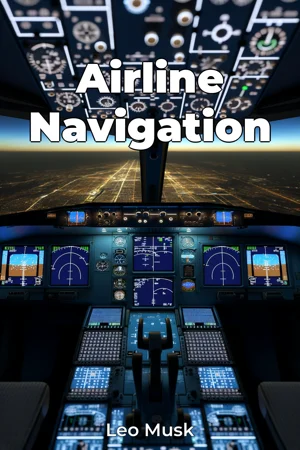
"Airline Navigation" explores the intricate systems and technologies that enable modern aircraft to navigate safely through the complex web of global airspace. From the fundamental principles of celestial navigation to cutting-edge satellite-based systems, this comprehensive guide examines the evolution and current state of aerial navigation technology. The book addresses three core aspects of aviation navigation: traditional navigation methods, modern technological systems, and the integration of multiple navigation tools in contemporary aviation. These topics form the foundation of safe air travel and are crucial for both aviation professionals and those interested in the technical aspects of flight operations. Beginning with historical context, the text traces the development of aerial navigation from early visual reference techniques to today's sophisticated GPS-based systems. Readers are introduced to essential concepts of geodesy, atmospheric science, and basic aerodynamics as prerequisite knowledge for understanding modern navigation systems. The central thesis demonstrates how the convergence of various navigation technologies creates redundant, reliable systems that ensure aircraft safety across diverse operating conditions. This multilayered approach to navigation represents the cornerstone of modern aviation safety and efficiency. The content progresses through structured sections, starting with fundamental navigation principles, moving to specific navigation systems (inertial, radio, and satellite-based), and culminating in the integration of these systems in modern cockpits. Each chapter builds upon previous concepts while incorporating practical applications and real-world scenarios. Technical evidence is presented through detailed system specifications, performance data from actual flight operations, and case studies of navigation system implementations. The book utilizes data from aviation authorities, manufacturers, and operational research to support its arguments. The work connects multiple disciplines, including physics, electronics, and computer science, showing how these fields contribute to modern navigation solutions. It also explores the relationship between navigation systems and meteorology, highlighting the impact of weather on flight planning and execution. The book employs a systematic approach to complex technical concepts, using detailed diagrams, technical specifications, and practical examples to illustrate key points. Mathematical models and engineering principles are presented with clear explanations and relevant applications. Written in a technical yet accessible style, the text maintains a professional tone while ensuring complex concepts are comprehensible to readers with varying technical backgrounds. The content follows academic conventions while incorporating practical insights from the aviation industry. The primary audience includes aviation professionals, aerospace engineers, and students in related technical fields. The book serves as both an educational resource and a professional reference guide. Following conventions of technical engineering literature, the text includes detailed specifications, standardized diagrams, and industry-standard terminology. It maintains rigorous academic standards while providing practical operational insights. The scope encompasses civilian aviation navigation systems, focusing primarily on commercial aircraft operations while acknowledging military applications where relevant. Geographic coverage is global, with particular attention to international navigation standards and practices. Real-world applications are emphasized through operational procedures, system integration examples, and troubleshooting scenarios. The content directly applies to flight planning, system maintenance, and navigation system design. Current debates in the field, including the transition from ground-based to satellite-based navigation systems and cybersecurity concerns in modern navigation, are addressed with objective analysis and technical detail.
"Airline Navigation" explores the intricate systems and technologies that enable modern aircraft to navigate safely through the complex web of global airspace. From the fundamental principles of celestial navigation to cutting-edge satellite-based systems, this comprehensive guide examines the evolution and current state of aerial navigation technology. The book addresses three core aspects of aviation navigation: traditional navigation methods, modern technological systems, and the integration of multiple navigation tools in contemporary aviation. These topics form the foundation of safe air travel and are crucial for both aviation professionals and those interested in the technical aspects of flight operations. Beginning with historical context, the text traces the development of aerial navigation from early visual reference techniques to today's sophisticated GPS-based systems. Readers are introduced to essential concepts of geodesy, atmospheric science, and basic aerodynamics as prerequisite knowledge for understanding modern navigation systems. The central thesis demonstrates how the convergence of various navigation technologies creates redundant, reliable systems that ensure aircraft safety across diverse operating conditions. This multilayered approach to navigation represents the cornerstone of modern aviation safety and efficiency. The content progresses through structured sections, starting with fundamental navigation principles, moving to specific navigation systems (inertial, radio, and satellite-based), and culminating in the integration of these systems in modern cockpits. Each chapter builds upon previous concepts while incorporating practical applications and real-world scenarios. Technical evidence is presented through detailed system specifications, performance data from actual flight operations, and case studies of navigation system implementations. The book utilizes data from aviation authorities, manufacturers, and operational research to support its arguments. The work connects multiple disciplines, including physics, electronics, and computer science, showing how these fields contribute to modern navigation solutions. It also explores the relationship between navigation systems and meteorology, highlighting the impact of weather on flight planning and execution. The book employs a systematic approach to complex technical concepts, using detailed diagrams, technical specifications, and practical examples to illustrate key points. Mathematical models and engineering principles are presented with clear explanations and relevant applications. Written in a technical yet accessible style, the text maintains a professional tone while ensuring complex concepts are comprehensible to readers with varying technical backgrounds. The content follows academic conventions while incorporating practical insights from the aviation industry. The primary audience includes aviation professionals, aerospace engineers, and students in related technical fields. The book serves as both an educational resource and a professional reference guide. Following conventions of technical engineering literature, the text includes detailed specifications, standardized diagrams, and industry-standard terminology. It maintains rigorous academic standards while providing practical operational insights. The scope encompasses civilian aviation navigation systems, focusing primarily on commercial aircraft operations while acknowledging military applications where relevant. Geographic coverage is global, with particular attention to international navigation standards and practices. Real-world applications are emphasized through operational procedures, system integration examples, and troubleshooting scenarios. The content directly applies to flight planning, system maintenance, and navigation system design. Current debates in the field, including the transition from ground-based to satellite-based navigation systems and cybersecurity concerns in modern navigation, are addressed with objective analysis and technical detail.
"Airline Navigation" presents a comprehensive exploration of the complex systems and technologies that guide modern aircraft through global airspace, offering a unique blend of historical context and cutting-edge technological insights. The book masterfully bridges the gap between traditional navigation methods and contemporary satellite-based systems, demonstrating how multiple navigation technologies work together to ensure flight safety and operational efficiency. Through structured chapters, readers journey from fundamental principles to advanced concepts in aerial navigation, with each section building upon previous knowledge while incorporating practical, real-world applications. The text delves into three core pillars of aviation navigation: traditional methods, modern technological systems, and their integration in contemporary aviation. Particularly fascinating is the examination of how various navigation technologies create redundant systems for enhanced safety, incorporating elements from GPS, inertial navigation, and radio-based systems. The book skillfully explains complex technical concepts through detailed diagrams and real-world operational examples, making it accessible to both aviation professionals and technical enthusiasts. This comprehensive guide stands out for its systematic approach to connecting multiple disciplines, including physics, electronics, and computer science, while maintaining a focus on practical applications. The content is particularly valuable for aerospace engineers and aviation professionals, offering both theoretical foundations and operational insights. By addressing current industry debates and emerging technologies, such as the transition to satellite-based navigation and cybersecurity considerations, the book serves as both an educational resource and a professional reference guide for understanding modern aviation navigation systems.
Book Details
ISBN
9788233936990
Publisher
Publifye AS
Your Licenses
You don't own any licenses for this book
Purchase a license below to unlock this book and download the EPUB.
Purchase License
Select a tier to unlock this book
Need bulk licensing?
Contact us for enterprise agreements.