
About This Book
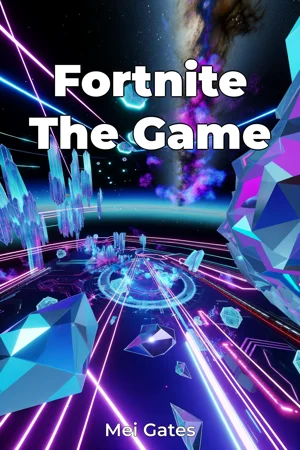
"Fortnite The Game" presents a comprehensive analysis of one of the most influential digital phenomena of the 21st century, examining how a battle royale game transformed into a global cultural and technological powerhouse. This detailed exploration traces Fortnite's development, impact, and the technological innovations that have redefined modern gaming and digital social interaction. The book addresses three core aspects: the technical architecture behind Fortnite's scalable gaming platform, the evolutionary business model that revolutionized free-to-play gaming, and the social mechanics that converted a video game into a virtual social space. These elements are examined through documented case studies, developer insights, and data-driven analysis. Beginning with Epic Games' initial vision, the text chronicles the technical challenges of creating a persistent online world capable of hosting 100 simultaneous players. Readers gain insight into the sophisticated server infrastructure, the implementation of physics engines, and the optimization techniques that enable smooth gameplay across multiple platforms. The central argument positions Fortnite not merely as a game but as a pioneer of the metaverse concept, demonstrating how it served as a proving ground for virtual social experiences. This thesis is supported by examining the platform's evolution from a simple survival game to a complex digital ecosystem hosting concerts, movie previews, and brand collaborations. Structured in three major sections, the book first establishes the technical foundation, then explores the business innovation, and concludes with an analysis of social impact. Each chapter incorporates primary research, including interviews with Epic Games developers, network traffic analysis, and player behavior studies. The research methodology combines traditional game analysis with big data analytics and social network theory. The interdisciplinary approach connects gaming technology with social psychology, economic theory, and digital communication. These connections demonstrate how Fortnite's success has implications beyond gaming, influencing digital marketing, online community building, and virtual event management. Written in a technical yet accessible style, the book balances detailed technical information with clear explanations suitable for IT professionals, business analysts, and technology enthusiasts. The content maintains academic rigor while remaining engaging through practical examples and case studies. The target audience includes technology professionals, digital strategists, game developers, and business analysts seeking to understand the technological and social frameworks behind successful digital platforms. The book serves both as a technical reference and a business case study. Practical applications include architectural patterns for scalable online systems, strategies for community engagement, and frameworks for analyzing digital platform economics. The text provides actionable insights for professionals working in game development, digital platform design, and online community management. The book addresses ongoing debates in the technology sector, including discussions about data privacy, digital addiction, and the future of social interaction in virtual spaces. These topics are examined through objective analysis of available data and expert perspectives. Throughout its chapters, the work maintains focus on verifiable technical specifications, documented business metrics, and peer-reviewed research, avoiding speculative claims about the future of gaming or technology. The scope specifically covers Fortnite's development through 2023, acknowledging the rapid pace of change in digital platforms. This treatment of Fortnite serves as both a historical record of a significant technological achievement and a practical guide for understanding the intersection of gaming, social platforms, and business innovation in the digital age.
"Fortnite The Game" presents a comprehensive analysis of one of the most influential digital phenomena of the 21st century, examining how a battle royale game transformed into a global cultural and technological powerhouse. This detailed exploration traces Fortnite's development, impact, and the technological innovations that have redefined modern gaming and digital social interaction. The book addresses three core aspects: the technical architecture behind Fortnite's scalable gaming platform, the evolutionary business model that revolutionized free-to-play gaming, and the social mechanics that converted a video game into a virtual social space. These elements are examined through documented case studies, developer insights, and data-driven analysis. Beginning with Epic Games' initial vision, the text chronicles the technical challenges of creating a persistent online world capable of hosting 100 simultaneous players. Readers gain insight into the sophisticated server infrastructure, the implementation of physics engines, and the optimization techniques that enable smooth gameplay across multiple platforms. The central argument positions Fortnite not merely as a game but as a pioneer of the metaverse concept, demonstrating how it served as a proving ground for virtual social experiences. This thesis is supported by examining the platform's evolution from a simple survival game to a complex digital ecosystem hosting concerts, movie previews, and brand collaborations. Structured in three major sections, the book first establishes the technical foundation, then explores the business innovation, and concludes with an analysis of social impact. Each chapter incorporates primary research, including interviews with Epic Games developers, network traffic analysis, and player behavior studies. The research methodology combines traditional game analysis with big data analytics and social network theory. The interdisciplinary approach connects gaming technology with social psychology, economic theory, and digital communication. These connections demonstrate how Fortnite's success has implications beyond gaming, influencing digital marketing, online community building, and virtual event management. Written in a technical yet accessible style, the book balances detailed technical information with clear explanations suitable for IT professionals, business analysts, and technology enthusiasts. The content maintains academic rigor while remaining engaging through practical examples and case studies. The target audience includes technology professionals, digital strategists, game developers, and business analysts seeking to understand the technological and social frameworks behind successful digital platforms. The book serves both as a technical reference and a business case study. Practical applications include architectural patterns for scalable online systems, strategies for community engagement, and frameworks for analyzing digital platform economics. The text provides actionable insights for professionals working in game development, digital platform design, and online community management. The book addresses ongoing debates in the technology sector, including discussions about data privacy, digital addiction, and the future of social interaction in virtual spaces. These topics are examined through objective analysis of available data and expert perspectives. Throughout its chapters, the work maintains focus on verifiable technical specifications, documented business metrics, and peer-reviewed research, avoiding speculative claims about the future of gaming or technology. The scope specifically covers Fortnite's development through 2023, acknowledging the rapid pace of change in digital platforms. This treatment of Fortnite serves as both a historical record of a significant technological achievement and a practical guide for understanding the intersection of gaming, social platforms, and business innovation in the digital age.
"Fortnite The Game" provides a thorough examination of how a battle royale game evolved into a revolutionary digital platform that has fundamentally altered the landscape of modern gaming and online social interaction. The book meticulously explores three interconnected pillars: the robust technical infrastructure that supports millions of simultaneous players, the groundbreaking free-to-play business model, and the innovative social mechanics that transformed a video game into a vibrant virtual community. Through detailed case studies and developer insights, readers discover how Epic Games tackled the immense technical challenges of creating a persistent online world capable of hosting 100-player matches across multiple platforms. The book's systematic approach reveals the sophisticated server architecture and optimization techniques that power Fortnite's seamless gaming experience, while also examining how the platform successfully pioneered the metaverse concept by hosting virtual concerts, movie screenings, and brand collaborations. Written for technology professionals and digital strategists, this comprehensive analysis balances technical depth with accessibility, offering practical insights into scalable online systems and digital community management. The book's interdisciplinary perspective connects gaming technology with social psychology and economic theory, demonstrating how Fortnite's technological innovations extend far beyond gaming into the realms of digital marketing, online community building, and virtual event management. Each chapter builds upon documented research and real-world data, providing actionable knowledge for professionals working in game development and digital platform design.
Book Details
ISBN
9788233936884
Publisher
Publifye AS
Your Licenses
You don't own any licenses for this book
Purchase a license below to unlock this book and download the EPUB.
Purchase License
Select a tier to unlock this book
Need bulk licensing?
Contact us for enterprise agreements.