
About This Book
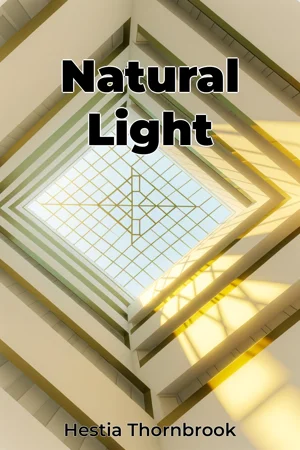
"Natural Light" examines the fundamental role of daylight in architectural design and human well-being, addressing the growing disconnect between modern indoor living and our biological need for natural illumination. This comprehensive guide bridges the gap between architectural theory and practical application, offering solutions for maximizing natural light in both new constructions and existing spaces. The book presents three core topics: the science of natural light and its impact on human health, architectural strategies for optimal daylight integration, and methods for enhancing indoor spaces with natural illumination. These elements are particularly relevant as urbanization and indoor-centric lifestyles continue to limit our exposure to natural light cycles. Drawing from historical architectural practices dating back to ancient civilizations, the text examines how different cultures have prioritized natural light in building design. This historical context sets the foundation for understanding contemporary challenges and solutions. The book argues that effective natural lighting is not merely an aesthetic choice but a crucial element of sustainable architecture and human-centric design. The content is structured in three main sections. The first explores the scientific principles of natural light, including its spectral composition and biological effects. The second section presents architectural strategies, featuring case studies of successful implementations in various building types. The final section offers practical solutions for existing spaces, including renovation techniques and adaptive design strategies. Supporting evidence comes from peer-reviewed research in chronobiology, architectural studies, and post-occupancy evaluations of buildings. The book incorporates data from international building standards, health studies, and energy efficiency research, providing a robust foundation for its recommendations. The work connects architecture with biology, environmental psychology, and energy conservation. These interdisciplinary links demonstrate how natural light influences multiple aspects of building performance and occupant well-being. The book presents innovative approaches to common challenges, such as light-redirecting systems and smart glazing technologies, while maintaining focus on practical implementation. Written in a technical yet accessible style, the text balances detailed analysis with clear explanations suitable for both professionals and informed laypeople. The target audience includes architects, designers, building developers, and homeowners seeking to optimize natural light in their spaces. The book addresses specific challenges in different climate zones and urban contexts, acknowledging that solutions must be adapted to local conditions. It examines ongoing debates in the field, such as the balance between natural light and energy efficiency, and the role of artificial light as a supplement to daylight. Practical applications include detailed guidelines for window placement, glazing selection, and interior layout optimization. The book provides calculation methods for determining optimal aperture sizes and positions, along with strategies for managing glare and heat gain. The scope encompasses residential, commercial, and institutional buildings, though it focuses primarily on spaces where people spend significant time indoors. While the book addresses technical aspects of daylighting design, it maintains accessibility for readers without specialized engineering knowledge. This work stands out through its integration of current research with practical design solutions, offering a comprehensive resource for creating naturally lit environments that support human health and well-being while meeting contemporary architectural challenges.
"Natural Light" examines the fundamental role of daylight in architectural design and human well-being, addressing the growing disconnect between modern indoor living and our biological need for natural illumination. This comprehensive guide bridges the gap between architectural theory and practical application, offering solutions for maximizing natural light in both new constructions and existing spaces. The book presents three core topics: the science of natural light and its impact on human health, architectural strategies for optimal daylight integration, and methods for enhancing indoor spaces with natural illumination. These elements are particularly relevant as urbanization and indoor-centric lifestyles continue to limit our exposure to natural light cycles. Drawing from historical architectural practices dating back to ancient civilizations, the text examines how different cultures have prioritized natural light in building design. This historical context sets the foundation for understanding contemporary challenges and solutions. The book argues that effective natural lighting is not merely an aesthetic choice but a crucial element of sustainable architecture and human-centric design. The content is structured in three main sections. The first explores the scientific principles of natural light, including its spectral composition and biological effects. The second section presents architectural strategies, featuring case studies of successful implementations in various building types. The final section offers practical solutions for existing spaces, including renovation techniques and adaptive design strategies. Supporting evidence comes from peer-reviewed research in chronobiology, architectural studies, and post-occupancy evaluations of buildings. The book incorporates data from international building standards, health studies, and energy efficiency research, providing a robust foundation for its recommendations. The work connects architecture with biology, environmental psychology, and energy conservation. These interdisciplinary links demonstrate how natural light influences multiple aspects of building performance and occupant well-being. The book presents innovative approaches to common challenges, such as light-redirecting systems and smart glazing technologies, while maintaining focus on practical implementation. Written in a technical yet accessible style, the text balances detailed analysis with clear explanations suitable for both professionals and informed laypeople. The target audience includes architects, designers, building developers, and homeowners seeking to optimize natural light in their spaces. The book addresses specific challenges in different climate zones and urban contexts, acknowledging that solutions must be adapted to local conditions. It examines ongoing debates in the field, such as the balance between natural light and energy efficiency, and the role of artificial light as a supplement to daylight. Practical applications include detailed guidelines for window placement, glazing selection, and interior layout optimization. The book provides calculation methods for determining optimal aperture sizes and positions, along with strategies for managing glare and heat gain. The scope encompasses residential, commercial, and institutional buildings, though it focuses primarily on spaces where people spend significant time indoors. While the book addresses technical aspects of daylighting design, it maintains accessibility for readers without specialized engineering knowledge. This work stands out through its integration of current research with practical design solutions, offering a comprehensive resource for creating naturally lit environments that support human health and well-being while meeting contemporary architectural challenges.
"Natural Light" offers a comprehensive exploration of daylight's crucial role in architectural design and human well-being, addressing the growing disconnect between modern indoor living and our biological need for natural illumination. The book uniquely bridges scientific understanding with practical architectural solutions, examining how natural light impacts both human health and sustainable building design. Through a careful blend of historical context and contemporary research, it demonstrates why proper daylighting is not merely an aesthetic choice but a fundamental aspect of human-centric architecture. The work progresses logically through three main sections, beginning with the scientific principles of natural light and its biological effects, moving to architectural strategies illustrated through real-world case studies, and concluding with practical implementation methods for both new construction and renovations. Drawing from peer-reviewed research in chronobiology and architectural studies, the book presents compelling evidence for the importance of natural light in building design while offering specific solutions for common challenges, such as light-redirecting systems and smart glazing technologies. What sets this resource apart is its accessible approach to complex technical concepts, making it valuable for both professionals and informed homeowners. The book addresses specific challenges across different climate zones and urban contexts, providing detailed guidelines for window placement, glazing selection, and interior layout optimization. By connecting architecture with environmental psychology and energy conservation, it offers a holistic perspective on creating naturally lit environments that enhance both building performance and occupant well-being.
Book Details
ISBN
9788233936808
Publisher
Publifye AS
Your Licenses
You don't own any licenses for this book
Purchase a license below to unlock this book and download the EPUB.
Purchase License
Select a tier to unlock this book
Need bulk licensing?
Contact us for enterprise agreements.