
About This Book
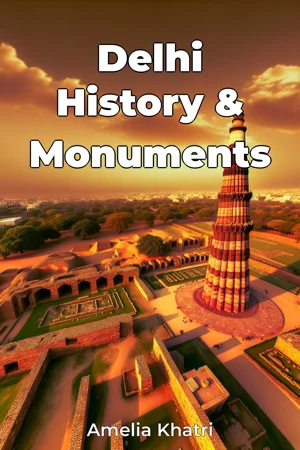
"Delhi History & Monuments" presents a comprehensive exploration of India's capital city through seven centuries of architectural evolution and cultural transformation. From the remnants of seven distinct cities to the modern metropolis, this volume examines how Delhi's monuments serve as living testaments to the subcontinent's dynamic past. The book structures its narrative around three principal themes: the architectural progression of Delhi's monuments from the 13th to 20th centuries, the social-political forces that shaped these structures, and the cultural significance that connects these historical sites to contemporary India. Through detailed archaeological evidence and historical records, readers discover how each ruling dynasty contributed to Delhi's layered architectural heritage. Beginning with the Qutub Complex and the establishment of the Delhi Sultanate, the work chronicles the development of Indo-Islamic architecture, examining how Persian, Turkish, and indigenous Indian styles merged to create unique architectural innovations. The text provides in-depth analysis of major monuments including Humayun's Tomb, the Red Fort, and Jama Masjid, using these structures as windows into their respective eras. The research draws from multiple disciplines, incorporating archaeological findings, architectural studies, historical documents, and contemporary urban planning perspectives. Through detailed site plans, archival photographs, and architectural drawings, the book demonstrates how Delhi's monuments reflect technological advancements, artistic movements, and social changes throughout history. Central to the work's thesis is the argument that Delhi's monuments are not mere static structures but dynamic repositories of cultural memory that continue to influence modern Indian identity. The book examines how these historical sites have adapted to serve contemporary functions while maintaining their historical significance. The content progresses chronologically through distinct chapters focusing on major historical periods: the Delhi Sultanate, the Mughal Empire, the British Raj, and post-independence India. Each section analyzes the architectural styles, construction techniques, and cultural contexts that defined these eras. Interdisciplinary connections link architecture with urban planning, religious studies, and social history. The book explores how trade routes influenced architectural styles, how religious practices shaped spatial design, and how political power was expressed through monumental architecture. The work maintains an academic tone while remaining accessible to general readers interested in history, architecture, and cultural studies. It employs precise architectural terminology alongside clear explanations suitable for non-specialists. Written for historians, architects, cultural scholars, and informed general readers, the book serves as both a scholarly reference and a practical guide for those visiting Delhi's historical sites. It includes detailed maps, site plans, and visiting information for major monuments. The scope encompasses the major historical monuments within Delhi's current boundaries, focusing on structures that demonstrate significant architectural or historical value. While the book primarily addresses permanent structures, it also discusses lost monuments documented in historical records. Practical applications include guidance for conservation efforts, urban planning considerations, and heritage tourism development. The work addresses ongoing debates about preservation versus development and the role of historical monuments in modern urban spaces. The book avoids romanticizing the past, instead presenting evidence-based analyses of how these monuments have survived, adapted, and maintained relevance across centuries. It examines current challenges in preservation and suggests approaches for sustainable heritage management.
"Delhi History & Monuments" presents a comprehensive exploration of India's capital city through seven centuries of architectural evolution and cultural transformation. From the remnants of seven distinct cities to the modern metropolis, this volume examines how Delhi's monuments serve as living testaments to the subcontinent's dynamic past. The book structures its narrative around three principal themes: the architectural progression of Delhi's monuments from the 13th to 20th centuries, the social-political forces that shaped these structures, and the cultural significance that connects these historical sites to contemporary India. Through detailed archaeological evidence and historical records, readers discover how each ruling dynasty contributed to Delhi's layered architectural heritage. Beginning with the Qutub Complex and the establishment of the Delhi Sultanate, the work chronicles the development of Indo-Islamic architecture, examining how Persian, Turkish, and indigenous Indian styles merged to create unique architectural innovations. The text provides in-depth analysis of major monuments including Humayun's Tomb, the Red Fort, and Jama Masjid, using these structures as windows into their respective eras. The research draws from multiple disciplines, incorporating archaeological findings, architectural studies, historical documents, and contemporary urban planning perspectives. Through detailed site plans, archival photographs, and architectural drawings, the book demonstrates how Delhi's monuments reflect technological advancements, artistic movements, and social changes throughout history. Central to the work's thesis is the argument that Delhi's monuments are not mere static structures but dynamic repositories of cultural memory that continue to influence modern Indian identity. The book examines how these historical sites have adapted to serve contemporary functions while maintaining their historical significance. The content progresses chronologically through distinct chapters focusing on major historical periods: the Delhi Sultanate, the Mughal Empire, the British Raj, and post-independence India. Each section analyzes the architectural styles, construction techniques, and cultural contexts that defined these eras. Interdisciplinary connections link architecture with urban planning, religious studies, and social history. The book explores how trade routes influenced architectural styles, how religious practices shaped spatial design, and how political power was expressed through monumental architecture. The work maintains an academic tone while remaining accessible to general readers interested in history, architecture, and cultural studies. It employs precise architectural terminology alongside clear explanations suitable for non-specialists. Written for historians, architects, cultural scholars, and informed general readers, the book serves as both a scholarly reference and a practical guide for those visiting Delhi's historical sites. It includes detailed maps, site plans, and visiting information for major monuments. The scope encompasses the major historical monuments within Delhi's current boundaries, focusing on structures that demonstrate significant architectural or historical value. While the book primarily addresses permanent structures, it also discusses lost monuments documented in historical records. Practical applications include guidance for conservation efforts, urban planning considerations, and heritage tourism development. The work addresses ongoing debates about preservation versus development and the role of historical monuments in modern urban spaces. The book avoids romanticizing the past, instead presenting evidence-based analyses of how these monuments have survived, adapted, and maintained relevance across centuries. It examines current challenges in preservation and suggests approaches for sustainable heritage management.
"Delhi History & Monuments" offers a compelling journey through seven centuries of architectural and cultural evolution in India's capital city. This comprehensive exploration reveals how Delhi transformed from seven distinct historical cities into today's modern metropolis, examining the profound influence of various ruling dynasties on its architectural landscape. The book masterfully weaves together archaeological evidence and historical records to illuminate how each era contributed to Delhi's rich architectural heritage, from the majestic Qutub Complex to the iconic Red Fort. Through detailed analysis of major landmarks like Humayun's Tomb and Jama Masjid, readers discover how Persian, Turkish, and indigenous Indian architectural styles merged to create unique Indo-Islamic innovations. The narrative progresses chronologically through key periods - the Delhi Sultanate, Mughal Empire, British Raj, and post-independence era - demonstrating how each epoch left its distinct mark on the city's architectural identity. What sets this work apart is its multidisciplinary approach, combining architectural studies with urban planning perspectives and social history. The book goes beyond mere architectural description, positioning Delhi's monuments as dynamic repositories of cultural memory that continue to shape modern Indian identity. Using detailed site plans, archival photographs, and architectural drawings, it explores how these historical structures have adapted to serve contemporary functions while maintaining their historical significance. This balanced approach makes the work valuable for both scholars and general readers interested in understanding Delhi's architectural evolution and its ongoing role in urban heritage preservation.
Book Details
ISBN
9788233936761
Publisher
Publifye AS
Your Licenses
You don't own any licenses for this book
Purchase a license below to unlock this book and download the EPUB.
Purchase License
Select a tier to unlock this book
Need bulk licensing?
Contact us for enterprise agreements.