
About This Book
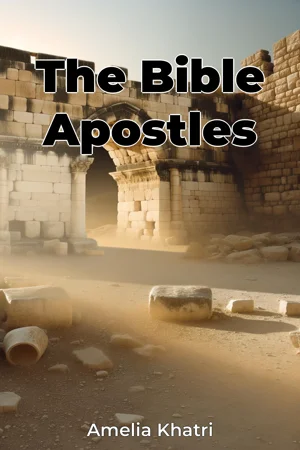
"The Bible Apostles" examines the historical evidence and contemporary accounts of Jesus's twelve apostles, focusing on the writings of first-century historian Flavius Josephus and other significant historical sources. This comprehensive study bridges the gap between biblical narratives and historical documentation, offering readers a fact-based analysis of these influential figures. The book primarily investigates three core aspects: the historical authenticity of apostolic accounts, the socio-political context of first-century Judea and the Roman Empire, and the correlation between religious texts and secular historical records. Drawing from Josephus's "Antiquities of the Jews" and "The Jewish War," alongside other contemporary sources, the work presents a detailed examination of the apostles' lives, missions, and historical impact. Central to the book's thesis is the argument that understanding the apostles requires careful analysis of both religious and secular historical sources. The text demonstrates how archaeological findings, historical documents, and traditional accounts intersect to create a more complete picture of these early Christian leaders. The content is structured in three main sections. The first establishes the historical context of first-century Palestine and the Roman Empire, providing readers with essential background knowledge. The second section examines specific historical references to the apostles found in non-biblical sources, including detailed analysis of Josephus's writings and other contemporary historians. The final section synthesizes biblical and historical accounts to present comprehensive profiles of each apostle. Research methodology relies heavily on primary sources, including recently discovered archaeological evidence, ancient manuscripts, and contemporary historical accounts. The book incorporates findings from the Dead Sea Scrolls, Roman administrative records, and early church documents to support its historical analysis. The work connects multiple disciplines, including archaeology, ancient history, and religious studies. It explores how these fields contribute to our understanding of the apostles' historical context and legacy. The book maintains an academic approach while remaining accessible to general readers interested in biblical history. The target audience includes scholars, students of religious history, and readers seeking a factual, research-based examination of the apostles. The book addresses ongoing academic debates about the historical reliability of various sources and their interpretation, presenting multiple viewpoints and encouraging critical analysis. The scope encompasses the period from approximately 4 BCE to 100 CE, focusing primarily on the regions where the apostles were documented to have been active. While acknowledging the limitations of available historical evidence, the book presents what can be verified through historical documentation and archaeological findings. The work maintains an objective, analytical tone, avoiding both skepticism and apologetics in favor of evidence-based historical investigation. It addresses controversial topics, such as conflicting historical accounts and gaps in the historical record, through careful analysis of available evidence. This study provides readers with tools for understanding how historians work with ancient sources, evaluate historical evidence, and draw conclusions about historical figures. It offers practical insights into historical research methodology and the interpretation of ancient texts. The book's unique contribution lies in its systematic comparison of religious and secular historical sources, providing readers with a comprehensive understanding of what can be known about the apostles through historical documentation. It serves as both a historical reference and a model for investigating ancient historical figures through multiple sources and perspectives.
"The Bible Apostles" examines the historical evidence and contemporary accounts of Jesus's twelve apostles, focusing on the writings of first-century historian Flavius Josephus and other significant historical sources. This comprehensive study bridges the gap between biblical narratives and historical documentation, offering readers a fact-based analysis of these influential figures. The book primarily investigates three core aspects: the historical authenticity of apostolic accounts, the socio-political context of first-century Judea and the Roman Empire, and the correlation between religious texts and secular historical records. Drawing from Josephus's "Antiquities of the Jews" and "The Jewish War," alongside other contemporary sources, the work presents a detailed examination of the apostles' lives, missions, and historical impact. Central to the book's thesis is the argument that understanding the apostles requires careful analysis of both religious and secular historical sources. The text demonstrates how archaeological findings, historical documents, and traditional accounts intersect to create a more complete picture of these early Christian leaders. The content is structured in three main sections. The first establishes the historical context of first-century Palestine and the Roman Empire, providing readers with essential background knowledge. The second section examines specific historical references to the apostles found in non-biblical sources, including detailed analysis of Josephus's writings and other contemporary historians. The final section synthesizes biblical and historical accounts to present comprehensive profiles of each apostle. Research methodology relies heavily on primary sources, including recently discovered archaeological evidence, ancient manuscripts, and contemporary historical accounts. The book incorporates findings from the Dead Sea Scrolls, Roman administrative records, and early church documents to support its historical analysis. The work connects multiple disciplines, including archaeology, ancient history, and religious studies. It explores how these fields contribute to our understanding of the apostles' historical context and legacy. The book maintains an academic approach while remaining accessible to general readers interested in biblical history. The target audience includes scholars, students of religious history, and readers seeking a factual, research-based examination of the apostles. The book addresses ongoing academic debates about the historical reliability of various sources and their interpretation, presenting multiple viewpoints and encouraging critical analysis. The scope encompasses the period from approximately 4 BCE to 100 CE, focusing primarily on the regions where the apostles were documented to have been active. While acknowledging the limitations of available historical evidence, the book presents what can be verified through historical documentation and archaeological findings. The work maintains an objective, analytical tone, avoiding both skepticism and apologetics in favor of evidence-based historical investigation. It addresses controversial topics, such as conflicting historical accounts and gaps in the historical record, through careful analysis of available evidence. This study provides readers with tools for understanding how historians work with ancient sources, evaluate historical evidence, and draw conclusions about historical figures. It offers practical insights into historical research methodology and the interpretation of ancient texts. The book's unique contribution lies in its systematic comparison of religious and secular historical sources, providing readers with a comprehensive understanding of what can be known about the apostles through historical documentation. It serves as both a historical reference and a model for investigating ancient historical figures through multiple sources and perspectives.
"The Bible Apostles" presents a groundbreaking examination of Jesus's twelve apostles through the lens of historical evidence and contemporary accounts, particularly focusing on the writings of first-century historian Flavius Josephus. This comprehensive study uniquely bridges biblical narratives with secular historical documentation, offering readers a fact-based analysis that draws from archaeological findings, ancient manuscripts, and the Dead Sea Scrolls to paint a complete picture of these influential early Christian leaders. The book's three-part structure first establishes the historical context of first-century Palestine and the Roman Empire, providing essential background for understanding the apostles' world. It then delves into specific historical references found in non-biblical sources, with particular attention to Josephus's "Antiquities of the Jews" and "The Jewish War." The final section synthesizes biblical and historical accounts to create detailed profiles of each apostle, drawing connections between religious texts and secular historical records. What sets this work apart is its systematic approach to combining multiple disciplines, including archaeology, ancient history, and religious studies, while maintaining scholarly rigor and accessibility. The book covers the period from 4 BCE to 100 CE, focusing on regions where the apostles were active and addressing controversial topics through careful analysis of available evidence. This objective examination provides readers with practical insights into historical research methodology while avoiding both skepticism and apologetics in favor of evidence-based investigation.
Book Details
ISBN
9788233936754
Publisher
Publifye AS
Your Licenses
You don't own any licenses for this book
Purchase a license below to unlock this book and download the EPUB.
Purchase License
Select a tier to unlock this book
Need bulk licensing?
Contact us for enterprise agreements.