
About This Book
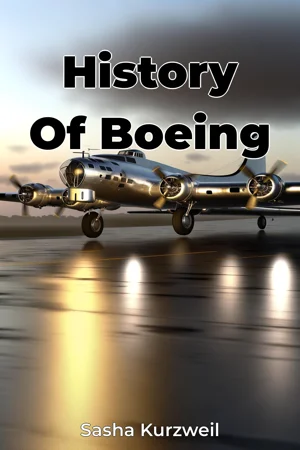
"History of Boeing" traces the evolution of one of the world's most influential aerospace companies, from its humble beginnings in a Seattle boathouse to its position as a global aviation powerhouse. The book examines how Boeing's technological innovations and strategic decisions shaped both military and civilian aviation throughout the 20th and early 21st centuries. The narrative follows three primary threads: Boeing's revolutionary aircraft designs, its role in military aviation development, and its impact on commercial air travel. Through detailed technical analysis and historical documentation, the book demonstrates how Boeing's engineering solutions addressed critical challenges in aerodynamics, materials science, and aviation safety. Beginning with William Boeing's initial venture into aircraft manufacturing in 1916, the book provides context for the early days of aviation, when wood and fabric were primary construction materials. It examines the company's crucial transition to metal aircraft construction and its significant contributions during World War II, including the B-17 Flying Fortress and B-29 Superfortress programs. The central argument presents Boeing as a driving force in aviation advancement, supported by extensive technical documentation, engineering drawings, and historical records from company archives, military documents, and aviation authorities. The book utilizes previously unreleased technical specifications and first-hand accounts from engineers and test pilots to provide authentic insights into aircraft development processes. Through chronological progression, the content explores key developments including: - The transformation from military to civilian aircraft production - The development of the 707, which revolutionized commercial aviation - The evolution of modern aviation safety standards and practices The research draws from Boeing's engineering documents, government records, and interviews with aviation pioneers. Technical illustrations and performance data support the detailed analysis of aircraft design evolution and manufacturing processes. The book connects aerospace engineering with military strategy, economic development, and international relations, demonstrating how Boeing's activities influenced global transportation and defense capabilities. It maintains an analytical tone, balancing technical detail with accessible explanations for readers with varying levels of aviation knowledge. Written for aviation enthusiasts, military historians, and engineering professionals, the book provides both technical depth and historical context. It addresses specific engineering challenges, military requirements, and market forces that drove innovation in aircraft design and manufacturing. The scope encompasses Boeing's major aircraft programs, corporate decisions, and technological breakthroughs, while acknowledging limitations in covering classified military projects. It examines ongoing debates about aviation safety, corporate responsibility, and the balance between military and civilian production. Practical applications include insights into aerospace engineering principles, project management in large-scale manufacturing, and the integration of new technologies in aviation. The book addresses controversies such as Boeing's competition with other manufacturers, military contract disputes, and safety considerations in aircraft design. This comprehensive examination of Boeing's history provides readers with a thorough understanding of how one company's technical innovations and business decisions helped shape modern aviation, while maintaining focus on factual documentation and engineering analysis rather than sensationalized achievements.
"History of Boeing" traces the evolution of one of the world's most influential aerospace companies, from its humble beginnings in a Seattle boathouse to its position as a global aviation powerhouse. The book examines how Boeing's technological innovations and strategic decisions shaped both military and civilian aviation throughout the 20th and early 21st centuries. The narrative follows three primary threads: Boeing's revolutionary aircraft designs, its role in military aviation development, and its impact on commercial air travel. Through detailed technical analysis and historical documentation, the book demonstrates how Boeing's engineering solutions addressed critical challenges in aerodynamics, materials science, and aviation safety. Beginning with William Boeing's initial venture into aircraft manufacturing in 1916, the book provides context for the early days of aviation, when wood and fabric were primary construction materials. It examines the company's crucial transition to metal aircraft construction and its significant contributions during World War II, including the B-17 Flying Fortress and B-29 Superfortress programs. The central argument presents Boeing as a driving force in aviation advancement, supported by extensive technical documentation, engineering drawings, and historical records from company archives, military documents, and aviation authorities. The book utilizes previously unreleased technical specifications and first-hand accounts from engineers and test pilots to provide authentic insights into aircraft development processes. Through chronological progression, the content explores key developments including: - The transformation from military to civilian aircraft production - The development of the 707, which revolutionized commercial aviation - The evolution of modern aviation safety standards and practices The research draws from Boeing's engineering documents, government records, and interviews with aviation pioneers. Technical illustrations and performance data support the detailed analysis of aircraft design evolution and manufacturing processes. The book connects aerospace engineering with military strategy, economic development, and international relations, demonstrating how Boeing's activities influenced global transportation and defense capabilities. It maintains an analytical tone, balancing technical detail with accessible explanations for readers with varying levels of aviation knowledge. Written for aviation enthusiasts, military historians, and engineering professionals, the book provides both technical depth and historical context. It addresses specific engineering challenges, military requirements, and market forces that drove innovation in aircraft design and manufacturing. The scope encompasses Boeing's major aircraft programs, corporate decisions, and technological breakthroughs, while acknowledging limitations in covering classified military projects. It examines ongoing debates about aviation safety, corporate responsibility, and the balance between military and civilian production. Practical applications include insights into aerospace engineering principles, project management in large-scale manufacturing, and the integration of new technologies in aviation. The book addresses controversies such as Boeing's competition with other manufacturers, military contract disputes, and safety considerations in aircraft design. This comprehensive examination of Boeing's history provides readers with a thorough understanding of how one company's technical innovations and business decisions helped shape modern aviation, while maintaining focus on factual documentation and engineering analysis rather than sensationalized achievements.
"History of Boeing" presents a comprehensive journey through the transformation of a modest Seattle boathouse venture into one of the world's leading aerospace giants. The book masterfully weaves together Boeing's revolutionary aircraft designs, military contributions, and commercial aviation breakthroughs, demonstrating how one company's innovations fundamentally shaped modern flight. Through detailed technical analysis and historical documentation, readers discover how Boeing tackled crucial challenges in aerodynamics and materials science, from the wooden aircraft of 1916 to today's advanced composite materials. The narrative progresses chronologically, exploring pivotal moments such as Boeing's crucial role in World War II with the legendary B-17 Flying Fortress and the game-changing introduction of the 707 commercial jetliner. Drawing from previously unreleased technical specifications, engineering documents, and firsthand accounts from test pilots, the book offers unique insights into the development processes that defined aerospace innovation. The author skillfully balances technical detail with accessible explanations, making complex engineering concepts understandable for both aviation enthusiasts and industry professionals. This meticulously researched work examines the intersection of aerospace engineering, military strategy, and commercial aviation, supported by extensive documentation from company archives and government records. The book's approach to presenting information combines technical illustrations with performance data, while maintaining an engaging narrative that highlights how Boeing's engineering solutions and strategic decisions influenced global transportation and defense capabilities throughout the 20th and early 21st centuries.
Book Details
ISBN
9788233936716
Publisher
Publifye AS
Your Licenses
You don't own any licenses for this book
Purchase a license below to unlock this book and download the EPUB.
Purchase License
Select a tier to unlock this book
Need bulk licensing?
Contact us for enterprise agreements.