
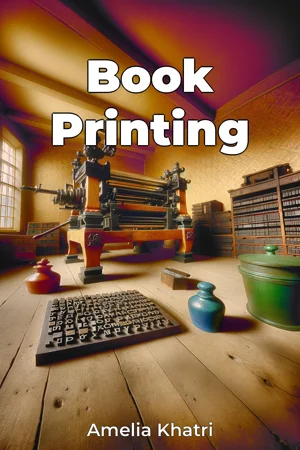
About This Book
"Book Printing: From Sacred Texts to Modern Publishing" traces the transformative journey of written communication from handwritten manuscripts to mechanized printing, with particular focus on the Bible's pivotal role in this evolution. This comprehensive examination explores how technological innovation in printing shaped religious discourse, literacy rates, and the spread of knowledge across civilizations. The book presents three fundamental themes: the technical evolution of printing methods from woodblock to movable type, the socio-religious impact of mass-produced texts, and the specific influence of Bible printing on standardization of languages and literacy. These interconnected elements reveal how printing technology catalyzed both religious reformation and educational advancement. Beginning with early Chinese woodblock printing in the 8th century, the narrative moves through medieval European manuscript production to Gutenberg's revolutionary printing press in the 1450s. The book analyzes how Gutenberg's 42-line Bible became the catalyst for standardized printing practices, examining the technical specifications, typographic innovations, and production methods that made mass printing feasible. The central argument posits that the development of book printing, particularly Bible production, served as the primary driver of cultural and religious transformation in Western society. This thesis is supported through examination of printing archives, historical documents, and archaeological evidence of early printing operations. The content progresses through three major sections: First, the technical evolution of printing technology, including detailed analyses of pre-Gutenberg methods, the mechanical innovations of the printing press, and subsequent refinements. Second, the social impact of printed materials, focusing on how increased access to texts affected literacy, education, and religious practice. Third, the specific influence of Bible printing on language standardization, religious reform, and the democratization of knowledge. Research draws from multiple disciplines, including archaeological findings from early printing sites, historical records from medieval printing houses, and linguistic analyses of early printed texts. The book incorporates recent scholarly works on print culture while presenting original analyses of printing's impact on religious practice. The interdisciplinary approach connects printing history with linguistics, religious studies, and social history. This integration demonstrates how printing technology influenced language development, religious interpretation, and social mobility through increased access to written knowledge. Written in an academic yet accessible style, the book employs clear technical explanations alongside historical narratives. While maintaining scholarly rigor, the text provides context and explanation suitable for readers new to printing history or religious studies. The target audience includes scholars of religious history, printing enthusiasts, and students of medieval European history. The book serves both as a comprehensive reference and an engaging narrative of technological and cultural transformation. The work addresses ongoing debates about the relative importance of printing in religious reform movements and the extent to which standardized texts influenced theological interpretation. It examines competing theories about the spread of literacy and the role of printed materials in social change. Practical applications include insights for modern digital publishing transitions, understanding the relationship between technology and social change, and appreciating the historical context of current debates about information access and standardization. The book acknowledges its limitations in focusing primarily on Western European printing development, while providing context from Asian printing traditions. It maintains objectivity in discussing religious controversies while presenting verifiable historical evidence about printing's impact on religious practice and belief. This examination of printing history provides readers with a thorough understanding of how technological innovation in book production shaped religious practice, social development, and educational advancement, creating foundations for modern information distribution systems.
"Book Printing: From Sacred Texts to Modern Publishing" traces the transformative journey of written communication from handwritten manuscripts to mechanized printing, with particular focus on the Bible's pivotal role in this evolution. This comprehensive examination explores how technological innovation in printing shaped religious discourse, literacy rates, and the spread of knowledge across civilizations. The book presents three fundamental themes: the technical evolution of printing methods from woodblock to movable type, the socio-religious impact of mass-produced texts, and the specific influence of Bible printing on standardization of languages and literacy. These interconnected elements reveal how printing technology catalyzed both religious reformation and educational advancement. Beginning with early Chinese woodblock printing in the 8th century, the narrative moves through medieval European manuscript production to Gutenberg's revolutionary printing press in the 1450s. The book analyzes how Gutenberg's 42-line Bible became the catalyst for standardized printing practices, examining the technical specifications, typographic innovations, and production methods that made mass printing feasible. The central argument posits that the development of book printing, particularly Bible production, served as the primary driver of cultural and religious transformation in Western society. This thesis is supported through examination of printing archives, historical documents, and archaeological evidence of early printing operations. The content progresses through three major sections: First, the technical evolution of printing technology, including detailed analyses of pre-Gutenberg methods, the mechanical innovations of the printing press, and subsequent refinements. Second, the social impact of printed materials, focusing on how increased access to texts affected literacy, education, and religious practice. Third, the specific influence of Bible printing on language standardization, religious reform, and the democratization of knowledge. Research draws from multiple disciplines, including archaeological findings from early printing sites, historical records from medieval printing houses, and linguistic analyses of early printed texts. The book incorporates recent scholarly works on print culture while presenting original analyses of printing's impact on religious practice. The interdisciplinary approach connects printing history with linguistics, religious studies, and social history. This integration demonstrates how printing technology influenced language development, religious interpretation, and social mobility through increased access to written knowledge. Written in an academic yet accessible style, the book employs clear technical explanations alongside historical narratives. While maintaining scholarly rigor, the text provides context and explanation suitable for readers new to printing history or religious studies. The target audience includes scholars of religious history, printing enthusiasts, and students of medieval European history. The book serves both as a comprehensive reference and an engaging narrative of technological and cultural transformation. The work addresses ongoing debates about the relative importance of printing in religious reform movements and the extent to which standardized texts influenced theological interpretation. It examines competing theories about the spread of literacy and the role of printed materials in social change. Practical applications include insights for modern digital publishing transitions, understanding the relationship between technology and social change, and appreciating the historical context of current debates about information access and standardization. The book acknowledges its limitations in focusing primarily on Western European printing development, while providing context from Asian printing traditions. It maintains objectivity in discussing religious controversies while presenting verifiable historical evidence about printing's impact on religious practice and belief. This examination of printing history provides readers with a thorough understanding of how technological innovation in book production shaped religious practice, social development, and educational advancement, creating foundations for modern information distribution systems.
"Book Printing: From Sacred Texts to Modern Publishing" presents a fascinating journey through the evolution of written communication, focusing on how printing technology revolutionized religious discourse and literacy across civilizations. At its core, the book explores the intricate relationship between technological innovation in printing and its profound impact on religious reformation, particularly through Bible production. From the early Chinese woodblock printing to Gutenberg's groundbreaking 42-line Bible, the narrative reveals how these advancements fundamentally transformed society's access to knowledge. The book uniquely weaves together three critical themes: the technical development of printing methods, the societal impact of mass-produced texts, and the specific influence of Bible printing on language standardization. Through careful examination of archaeological findings, historical records, and printing archives, readers discover how Gutenberg's innovations in movable type and mechanical printing became the catalyst for standardized printing practices that would shape centuries of knowledge distribution. The interdisciplinary approach makes complex technical concepts accessible while maintaining scholarly depth. Progressing through three major sections, the book first explores the technical evolution of printing technology, then examines the broader social impact of printed materials, and finally focuses on Bible printing's specific influence on language and religious reform. This comprehensive structure allows readers to understand both the mechanical innovations and their far-reaching cultural implications, making it valuable for scholars, printing enthusiasts, and students of medieval European history alike.
Book Details
ISBN
9788233936686
Publisher
Publifye AS
Your Licenses
You don't own any licenses for this book
Purchase a license below to unlock this book and download the EPUB.
Purchase License
Select a tier to unlock this book
Need bulk licensing?
Contact us for enterprise agreements.