
About This Book
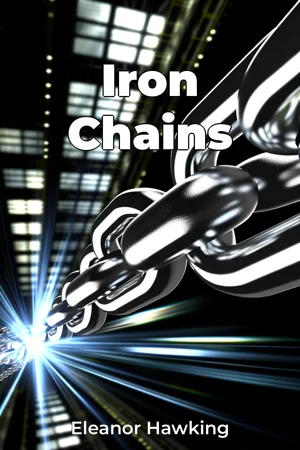
"Iron Chains: The Backbone of Industrial Progress" explores the fundamental role of iron chain systems in engineering and their widespread applications across multiple industries. Opening with a detailed examination of how a simple series of interconnected links revolutionized mechanical systems, this comprehensive guide delves into the engineering principles, manufacturing processes, and diverse applications that have made iron chains indispensable in modern machinery. The book establishes three core themes: the metallurgical properties that make iron chains reliable, the evolution of chain manufacturing techniques, and the critical applications across various industries. These topics form the foundation for understanding how iron chains have become integral to mechanical systems, from basic lifting mechanisms to complex industrial processes. The historical context begins with early Roman engineering, progressing through the Industrial Revolution to modern manufacturing. Readers gain insight into how iron chain technology evolved from rudimentary hand-forged links to precision-engineered components. The book provides essential background in materials science, stress analysis, and basic mechanical principles to help readers grasp the technical concepts presented. Central to the book's thesis is the assertion that iron chains represent one of engineering's most versatile and reliable mechanical components, combining structural simplicity with functional complexity. This argument is developed through detailed analysis of chain types, load-bearing capabilities, and failure prevention mechanisms. The content is structured in three main sections: First, the metallurgical composition and manufacturing processes of various chain types; second, the mechanical principles and design considerations; and third, practical applications across industries including mining, maritime operations, and manufacturing. Each section builds upon the previous, creating a comprehensive understanding of iron chain systems. Supporting evidence includes technical data from engineering studies, case analyses of chain applications, and statistical information from industry sources. The book incorporates research from materials science laboratories and engineering firms, providing current data on chain performance and reliability. Interdisciplinary connections link mechanical engineering with materials science, industrial design, and civil engineering. The book demonstrates how chain technology interfaces with these fields, particularly in areas such as structural support systems and power transmission mechanisms. The writing maintains a technical yet accessible tone, suitable for engineering professionals, students, and industry practitioners. Complex concepts are explained through practical examples and clear technical illustrations, making the material approachable while maintaining professional rigor. The target audience includes mechanical engineers, industrial designers, maintenance professionals, and engineering students. The book serves as both a practical reference guide and an educational resource, offering valuable insights for anyone working with mechanical systems. Real-world applications are emphasized throughout, with detailed examples from construction, maritime operations, manufacturing, and material handling systems. The book includes practical guidance on chain selection, maintenance procedures, and troubleshooting common issues. The scope encompasses both traditional applications and emerging uses in modern machinery, though it primarily focuses on industrial applications rather than decorative or non-mechanical uses. Current debates regarding material alternatives and sustainability considerations in chain manufacturing are addressed, providing balanced perspectives on these industry challenges. This technical guide fills a crucial gap in engineering literature by providing a comprehensive examination of iron chain systems, their applications, and their continued relevance in modern mechanical engineering.
"Iron Chains: The Backbone of Industrial Progress" explores the fundamental role of iron chain systems in engineering and their widespread applications across multiple industries. Opening with a detailed examination of how a simple series of interconnected links revolutionized mechanical systems, this comprehensive guide delves into the engineering principles, manufacturing processes, and diverse applications that have made iron chains indispensable in modern machinery. The book establishes three core themes: the metallurgical properties that make iron chains reliable, the evolution of chain manufacturing techniques, and the critical applications across various industries. These topics form the foundation for understanding how iron chains have become integral to mechanical systems, from basic lifting mechanisms to complex industrial processes. The historical context begins with early Roman engineering, progressing through the Industrial Revolution to modern manufacturing. Readers gain insight into how iron chain technology evolved from rudimentary hand-forged links to precision-engineered components. The book provides essential background in materials science, stress analysis, and basic mechanical principles to help readers grasp the technical concepts presented. Central to the book's thesis is the assertion that iron chains represent one of engineering's most versatile and reliable mechanical components, combining structural simplicity with functional complexity. This argument is developed through detailed analysis of chain types, load-bearing capabilities, and failure prevention mechanisms. The content is structured in three main sections: First, the metallurgical composition and manufacturing processes of various chain types; second, the mechanical principles and design considerations; and third, practical applications across industries including mining, maritime operations, and manufacturing. Each section builds upon the previous, creating a comprehensive understanding of iron chain systems. Supporting evidence includes technical data from engineering studies, case analyses of chain applications, and statistical information from industry sources. The book incorporates research from materials science laboratories and engineering firms, providing current data on chain performance and reliability. Interdisciplinary connections link mechanical engineering with materials science, industrial design, and civil engineering. The book demonstrates how chain technology interfaces with these fields, particularly in areas such as structural support systems and power transmission mechanisms. The writing maintains a technical yet accessible tone, suitable for engineering professionals, students, and industry practitioners. Complex concepts are explained through practical examples and clear technical illustrations, making the material approachable while maintaining professional rigor. The target audience includes mechanical engineers, industrial designers, maintenance professionals, and engineering students. The book serves as both a practical reference guide and an educational resource, offering valuable insights for anyone working with mechanical systems. Real-world applications are emphasized throughout, with detailed examples from construction, maritime operations, manufacturing, and material handling systems. The book includes practical guidance on chain selection, maintenance procedures, and troubleshooting common issues. The scope encompasses both traditional applications and emerging uses in modern machinery, though it primarily focuses on industrial applications rather than decorative or non-mechanical uses. Current debates regarding material alternatives and sustainability considerations in chain manufacturing are addressed, providing balanced perspectives on these industry challenges. This technical guide fills a crucial gap in engineering literature by providing a comprehensive examination of iron chain systems, their applications, and their continued relevance in modern mechanical engineering.
"Iron Chains: The Backbone of Industrial Progress" presents a comprehensive exploration of how these simple yet revolutionary mechanical components have shaped industrial development across centuries. The book masterfully weaves together the metallurgical science, engineering principles, and practical applications that make iron chains an indispensable element in modern machinery. From ancient Roman engineering to contemporary precision manufacturing, readers discover how these interconnected links have evolved to meet increasingly complex industrial demands. The text is thoughtfully organized into three main sections, beginning with metallurgical composition and manufacturing processes, progressing through mechanical principles and design considerations, and culminating in real-world applications across mining, maritime operations, and manufacturing industries. Technical concepts are presented through accessible examples and clear illustrations, making complex engineering principles comprehensible to both professionals and students. Particularly fascinating is the book's examination of how iron chains combine structural simplicity with remarkable functional complexity, demonstrating their versatility in load-bearing systems and power transmission mechanisms. This authoritative guide stands out for its practical approach to combining theoretical knowledge with real-world applications, supported by current research data and industry case studies. The book bridges multiple disciplines, connecting mechanical engineering with materials science and industrial design, while maintaining a focus on practical implementation. For engineering professionals, students, and industry practitioners, it serves as both an educational resource and a valuable reference guide for understanding chain selection, maintenance procedures, and troubleshooting in various industrial applications.
Book Details
ISBN
9788233936570
Publisher
Publifye AS
Your Licenses
You don't own any licenses for this book
Purchase a license below to unlock this book and download the EPUB.
Purchase License
Select a tier to unlock this book
Need bulk licensing?
Contact us for enterprise agreements.