
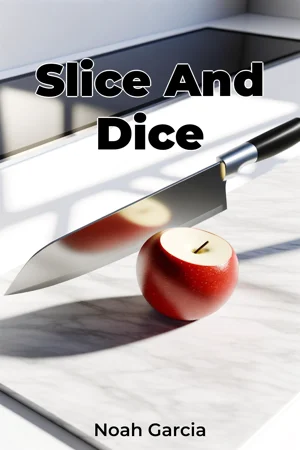
About This Book
"Slice And Dice" explores the fundamental principles and applications of division and segmentation across multiple disciplines, from the kitchen to scientific laboratories. Through a methodical examination of cutting techniques, timing, and proportions, this book reveals how the act of splitting and dividing shapes our understanding of efficiency, preparation, and optimization. The book begins by examining the physics of cutting, introducing readers to the basic principles of force, pressure, and material properties. It then connects these concepts to practical applications, demonstrating how proper cutting techniques influence everything from food preparation to time management. The intersection of science and daily practice forms the core argument: mastering the art of division leads to improved outcomes across numerous fields. Structured in three main sections, the book first covers the scientific principles behind cutting and division, including molecular bonds, structural integrity, and the mathematics of segmentation. The second section applies these principles to cooking, exploring how knife skills, portion control, and preparation techniques influence food quality and presentation. The final section broadens the scope to temporal division, examining how breaking down time into manageable segments enhances productivity and organization. Research presented includes studies from materials science laboratories, professional kitchens, and productivity research centers. The book draws on data from cutting-edge food science research, industrial engineering studies, and time-management analyses. This multidisciplinary approach provides readers with comprehensive evidence supporting the book's methods and recommendations. The work makes significant connections between seemingly disparate fields. It links materials science with culinary arts, showing how understanding molecular structure improves cutting techniques. It connects time management with food preparation, revealing common principles in scheduling and mise en place. These intersections provide readers with transferable skills applicable across multiple domains. Written in a clear, instructional style, the book maintains a balance between technical precision and practical accessibility. Complex concepts are explained through relatable examples, making the material approachable for both professionals and home enthusiasts. The writing employs precise language while avoiding unnecessary jargon. The target audience includes culinary professionals, home cooks, efficiency-minded professionals, and anyone interested in understanding the science behind everyday processes. The book serves both as a practical manual and a theoretical framework for understanding division and segmentation. Practical applications range from improving knife skills and food preparation techniques to implementing effective time-blocking strategies. Each chapter includes exercises and examples that readers can immediately implement in their kitchen or daily routines. The book addresses ongoing debates in food science regarding optimal cutting techniques, disputes in productivity research about time division methods, and controversies in materials science about the most effective approaches to segmentation. These discussions are presented objectively, allowing readers to form their own conclusions based on the evidence provided. Within its scope, the book focuses specifically on physical division, time management, and food preparation, acknowledging that while these principles may apply to other areas, the primary emphasis remains on these core topics. This focused approach allows for thorough coverage of the selected subjects while maintaining clarity and relevance. The work stands out through its systematic integration of scientific principles with practical applications, offering readers both theoretical understanding and actionable techniques. This combination of rigorous research and practical utility makes "Slice And Dice" a valuable resource for anyone seeking to improve their understanding and application of division principles in both professional and personal contexts.
"Slice And Dice" explores the fundamental principles and applications of division and segmentation across multiple disciplines, from the kitchen to scientific laboratories. Through a methodical examination of cutting techniques, timing, and proportions, this book reveals how the act of splitting and dividing shapes our understanding of efficiency, preparation, and optimization. The book begins by examining the physics of cutting, introducing readers to the basic principles of force, pressure, and material properties. It then connects these concepts to practical applications, demonstrating how proper cutting techniques influence everything from food preparation to time management. The intersection of science and daily practice forms the core argument: mastering the art of division leads to improved outcomes across numerous fields. Structured in three main sections, the book first covers the scientific principles behind cutting and division, including molecular bonds, structural integrity, and the mathematics of segmentation. The second section applies these principles to cooking, exploring how knife skills, portion control, and preparation techniques influence food quality and presentation. The final section broadens the scope to temporal division, examining how breaking down time into manageable segments enhances productivity and organization. Research presented includes studies from materials science laboratories, professional kitchens, and productivity research centers. The book draws on data from cutting-edge food science research, industrial engineering studies, and time-management analyses. This multidisciplinary approach provides readers with comprehensive evidence supporting the book's methods and recommendations. The work makes significant connections between seemingly disparate fields. It links materials science with culinary arts, showing how understanding molecular structure improves cutting techniques. It connects time management with food preparation, revealing common principles in scheduling and mise en place. These intersections provide readers with transferable skills applicable across multiple domains. Written in a clear, instructional style, the book maintains a balance between technical precision and practical accessibility. Complex concepts are explained through relatable examples, making the material approachable for both professionals and home enthusiasts. The writing employs precise language while avoiding unnecessary jargon. The target audience includes culinary professionals, home cooks, efficiency-minded professionals, and anyone interested in understanding the science behind everyday processes. The book serves both as a practical manual and a theoretical framework for understanding division and segmentation. Practical applications range from improving knife skills and food preparation techniques to implementing effective time-blocking strategies. Each chapter includes exercises and examples that readers can immediately implement in their kitchen or daily routines. The book addresses ongoing debates in food science regarding optimal cutting techniques, disputes in productivity research about time division methods, and controversies in materials science about the most effective approaches to segmentation. These discussions are presented objectively, allowing readers to form their own conclusions based on the evidence provided. Within its scope, the book focuses specifically on physical division, time management, and food preparation, acknowledging that while these principles may apply to other areas, the primary emphasis remains on these core topics. This focused approach allows for thorough coverage of the selected subjects while maintaining clarity and relevance. The work stands out through its systematic integration of scientific principles with practical applications, offering readers both theoretical understanding and actionable techniques. This combination of rigorous research and practical utility makes "Slice And Dice" a valuable resource for anyone seeking to improve their understanding and application of division principles in both professional and personal contexts.
"Slice And Dice" masterfully bridges the gap between scientific principles and practical applications in the art of cutting and division. This innovative work explores how understanding the fundamentals of force, pressure, and material properties can revolutionize everything from kitchen techniques to time management strategies. Through a methodical approach, the book demonstrates how mastering division principles leads to enhanced efficiency and optimization across multiple disciplines. The book's journey begins with core scientific concepts, examining the physics behind cutting and molecular structures. It then progresses to practical applications in the culinary world, where readers learn how proper knife skills and cutting techniques directly influence food quality and presentation. The final section expands into time management, revealing how the principles of segmentation can boost productivity through effective scheduling and mise en place techniques. What sets this book apart is its unique integration of materials science, culinary arts, and productivity research, making complex concepts accessible through relatable examples and practical exercises. Written for both professionals and enthusiasts, it provides actionable insights while maintaining scientific accuracy. The combination of cutting-edge food science research with time-management analysis offers readers a comprehensive understanding of division principles that can be immediately applied in both kitchen and professional settings.
Book Details
ISBN
9788233936464
Publisher
Publifye AS
Your Licenses
You don't own any licenses for this book
Purchase a license below to unlock this book and download the EPUB.
Purchase License
Select a tier to unlock this book
Need bulk licensing?
Contact us for enterprise agreements.