
About This Book
"Cranky Machines" delves into the complex relationship between aging mechanical systems and their ongoing role in modern industry, exploring how these veteran devices continue to influence contemporary engineering and manufacturing processes. The book examines three primary themes: the engineering principles that allow certain machines to function well beyond their expected lifespan, the economic factors driving their continued use, and the maintenance strategies that keep them operational. These topics are particularly relevant as industries balance modernization with practical constraints and sustainability concerns. Through detailed case studies spanning multiple decades of industrial history, the work provides context for understanding how mechanical systems evolve and adapt. From textile mills still operating century-old looms to power plants running generators from the 1950s, the book presents a technical analysis of mechanical persistence and adaptation. The central argument posits that older machinery, rather than being obsolete, often represents optimal solutions for specific industrial applications. This perspective challenges the assumption that newer always equals better, supported by empirical data on reliability, cost-effectiveness, and operational efficiency. The content progresses through several key sections: First, it establishes fundamental principles of mechanical engineering and wear patterns. Second, it explores successful maintenance and adaptation strategies. Finally, it examines the integration of modern control systems with legacy equipment. Each chapter includes technical diagrams, maintenance logs, and performance data from actual industrial applications. Research methodology combines historical records from manufacturing facilities, engineering analyses of long-running systems, and interviews with maintenance specialists who work with these machines daily. The book draws from previously unpublished maintenance records and engineering documents from various industries. The work connects mechanical engineering with economics, environmental science, and industrial heritage preservation. It demonstrates how understanding older machines influences modern design principles and sustainable manufacturing practices. Written in a technical yet accessible style, the book provides detailed explanations while remaining engaging for readers with basic mechanical knowledge. It targets engineering professionals, maintenance specialists, industrial managers, and students of mechanical engineering. The scope encompasses machines from the early 20th century through the 1980s, focusing on industrial equipment still in active service. While primarily centered on mechanical systems, it includes relevant electrical and control system interfaces. Practical applications include maintenance strategy development, retrofit planning, and cost-benefit analysis for equipment replacement decisions. The book provides frameworks for evaluating when to maintain older equipment versus investing in new systems. The work addresses ongoing debates in the field, including the balance between maintaining legacy systems and adopting new technologies, the role of older machines in sustainable manufacturing, and the preservation of mechanical engineering knowledge. Notably, the book avoids romanticizing older technology, instead providing objective analysis of when maintaining legacy equipment makes technical and economic sense. It includes cautionary examples where maintaining older systems proved counterproductive, offering balanced perspectives on modernization decisions. Target readers will find practical guidance for managing aging mechanical systems, understanding their limitations and advantages, and making informed decisions about maintenance versus replacement. The book serves as both a technical reference and a strategic guide for industry professionals dealing with aging industrial infrastructure.
"Cranky Machines" delves into the complex relationship between aging mechanical systems and their ongoing role in modern industry, exploring how these veteran devices continue to influence contemporary engineering and manufacturing processes. The book examines three primary themes: the engineering principles that allow certain machines to function well beyond their expected lifespan, the economic factors driving their continued use, and the maintenance strategies that keep them operational. These topics are particularly relevant as industries balance modernization with practical constraints and sustainability concerns. Through detailed case studies spanning multiple decades of industrial history, the work provides context for understanding how mechanical systems evolve and adapt. From textile mills still operating century-old looms to power plants running generators from the 1950s, the book presents a technical analysis of mechanical persistence and adaptation. The central argument posits that older machinery, rather than being obsolete, often represents optimal solutions for specific industrial applications. This perspective challenges the assumption that newer always equals better, supported by empirical data on reliability, cost-effectiveness, and operational efficiency. The content progresses through several key sections: First, it establishes fundamental principles of mechanical engineering and wear patterns. Second, it explores successful maintenance and adaptation strategies. Finally, it examines the integration of modern control systems with legacy equipment. Each chapter includes technical diagrams, maintenance logs, and performance data from actual industrial applications. Research methodology combines historical records from manufacturing facilities, engineering analyses of long-running systems, and interviews with maintenance specialists who work with these machines daily. The book draws from previously unpublished maintenance records and engineering documents from various industries. The work connects mechanical engineering with economics, environmental science, and industrial heritage preservation. It demonstrates how understanding older machines influences modern design principles and sustainable manufacturing practices. Written in a technical yet accessible style, the book provides detailed explanations while remaining engaging for readers with basic mechanical knowledge. It targets engineering professionals, maintenance specialists, industrial managers, and students of mechanical engineering. The scope encompasses machines from the early 20th century through the 1980s, focusing on industrial equipment still in active service. While primarily centered on mechanical systems, it includes relevant electrical and control system interfaces. Practical applications include maintenance strategy development, retrofit planning, and cost-benefit analysis for equipment replacement decisions. The book provides frameworks for evaluating when to maintain older equipment versus investing in new systems. The work addresses ongoing debates in the field, including the balance between maintaining legacy systems and adopting new technologies, the role of older machines in sustainable manufacturing, and the preservation of mechanical engineering knowledge. Notably, the book avoids romanticizing older technology, instead providing objective analysis of when maintaining legacy equipment makes technical and economic sense. It includes cautionary examples where maintaining older systems proved counterproductive, offering balanced perspectives on modernization decisions. Target readers will find practical guidance for managing aging mechanical systems, understanding their limitations and advantages, and making informed decisions about maintenance versus replacement. The book serves as both a technical reference and a strategic guide for industry professionals dealing with aging industrial infrastructure.
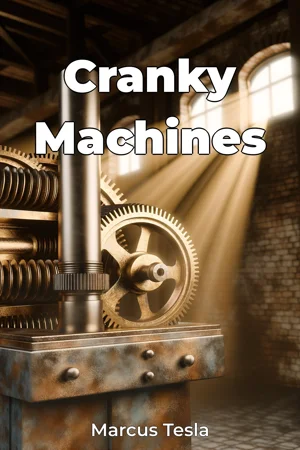
"Cranky Machines" explores the fascinating world of aging mechanical systems and their enduring relevance in modern industry, challenging the common assumption that newer equipment is always better. The book presents a compelling analysis of how legacy machines, some dating back to the early 20th century, continue to play vital roles in contemporary manufacturing and industrial processes. Through detailed case studies and technical analyses, it demonstrates how certain vintage equipment often represents optimal solutions for specific industrial applications, supported by empirical data on reliability and cost-effectiveness. The narrative unfolds across three main themes: the engineering principles behind long-lasting mechanical systems, the economic factors supporting their continued operation, and the maintenance strategies ensuring their longevity. Drawing from previously unpublished maintenance records and expert interviews, the book provides valuable insights into successful preservation techniques and retrofit planning. Particularly noteworthy are examples like textile mills operating century-old looms and power plants running generators from the 1950s, illustrating the remarkable durability and adaptability of well-maintained mechanical systems. Written in an accessible yet technically precise style, the book progresses from fundamental mechanical engineering principles to practical maintenance strategies and modern control system integration. It serves as both a technical reference and strategic guide, offering frameworks for evaluating equipment replacement decisions and maintaining aging infrastructure. The work uniquely bridges mechanical engineering with economics and environmental sustainability, making it invaluable for professionals managing industrial equipment and students studying mechanical engineering.
Book Details
ISBN
9788233936341
Publisher
Publifye AS
Your Licenses
You don't own any licenses for this book
Purchase a license below to unlock this book and download the EPUB.
Purchase License
Select a tier to unlock this book
Need bulk licensing?
Contact us for enterprise agreements.