
About This Book
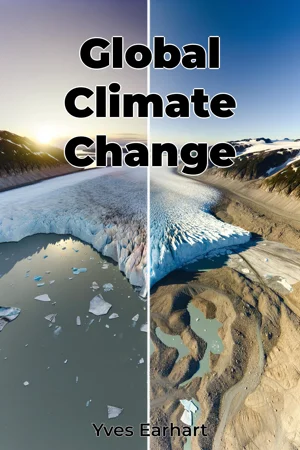
"Global Climate Change" presents a comprehensive examination of Earth's changing climate systems, beginning with the stark reality that our planet's temperature has risen more rapidly in the past century than in any comparable period in recorded history. This scientific exploration delves into the intricate web of causes, effects, and potential solutions to one of humanity's most pressing challenges. The book systematically addresses three core themes: the physical science behind climate change, observed global impacts across ecosystems, and adaptation and mitigation strategies. These interconnected topics provide readers with both theoretical understanding and practical insights into climate dynamics. Drawing from centuries of climate data, including ice core samples, tree rings, and modern satellite observations, the text establishes crucial historical context. Readers gain essential background knowledge about Earth's natural climate variations and the unprecedented changes observed since the Industrial Revolution. This foundation helps distinguish between natural variability and human-induced climate modifications. The central thesis maintains that contemporary climate change results from a complex interaction between natural processes and human activities, with anthropogenic greenhouse gas emissions playing a decisive role in current warming trends. This argument is supported by extensive peer-reviewed research and global scientific consensus. The content progresses through carefully structured sections: first establishing fundamental climate science principles, then examining current changes in atmospheric composition, ocean dynamics, and terrestrial systems. The final portion addresses future projections and response strategies, including both technological and policy solutions. Research evidence comes from multiple scientific disciplines, incorporating data from climatology, oceanography, geology, and atmospheric sciences. The book features the latest findings from international research institutions, including the Intergovernmental Panel on Climate Change (IPCC) and major climate research centers worldwide. The work connects climate science with economics, public policy, and technology, demonstrating how climate change influences and is influenced by these fields. This interdisciplinary approach helps readers understand the broad implications of climate change across society. The book distinguishes itself through its integration of local and global perspectives, examining how regional climate changes contribute to and are affected by global patterns. This multi-scale analysis provides readers with both macro and micro views of climate systems. Written in an academic yet accessible style, the text balances technical accuracy with clear explanations suitable for educated general readers, students, and professionals in related fields. Technical terms are carefully defined and complex concepts are illustrated with relevant examples. The target audience includes university students, environmental professionals, policy makers, and informed citizens seeking a thorough understanding of climate science and its implications. The book serves as both an educational resource and a reference for climate-related decision-making. Following conventions of environmental science literature, the work maintains objective analysis while addressing the urgency of climate action. It includes extensive references, data visualizations, and case studies to support its arguments. The scope encompasses global climate systems while acknowledging regional variations and specific ecosystem responses. It addresses both historical changes and projected future scenarios through the end of the 21st century. Practical applications include guidance for policy development, business planning, and individual action in response to climate change. The book provides frameworks for assessing climate risks and implementing adaptation strategies at various scales. The text addresses ongoing debates within climate science, including uncertainties in climate modeling, effectiveness of various mitigation strategies, and the relative importance of different forcing factors in climate systems.
"Global Climate Change" presents a comprehensive examination of Earth's changing climate systems, beginning with the stark reality that our planet's temperature has risen more rapidly in the past century than in any comparable period in recorded history. This scientific exploration delves into the intricate web of causes, effects, and potential solutions to one of humanity's most pressing challenges. The book systematically addresses three core themes: the physical science behind climate change, observed global impacts across ecosystems, and adaptation and mitigation strategies. These interconnected topics provide readers with both theoretical understanding and practical insights into climate dynamics. Drawing from centuries of climate data, including ice core samples, tree rings, and modern satellite observations, the text establishes crucial historical context. Readers gain essential background knowledge about Earth's natural climate variations and the unprecedented changes observed since the Industrial Revolution. This foundation helps distinguish between natural variability and human-induced climate modifications. The central thesis maintains that contemporary climate change results from a complex interaction between natural processes and human activities, with anthropogenic greenhouse gas emissions playing a decisive role in current warming trends. This argument is supported by extensive peer-reviewed research and global scientific consensus. The content progresses through carefully structured sections: first establishing fundamental climate science principles, then examining current changes in atmospheric composition, ocean dynamics, and terrestrial systems. The final portion addresses future projections and response strategies, including both technological and policy solutions. Research evidence comes from multiple scientific disciplines, incorporating data from climatology, oceanography, geology, and atmospheric sciences. The book features the latest findings from international research institutions, including the Intergovernmental Panel on Climate Change (IPCC) and major climate research centers worldwide. The work connects climate science with economics, public policy, and technology, demonstrating how climate change influences and is influenced by these fields. This interdisciplinary approach helps readers understand the broad implications of climate change across society. The book distinguishes itself through its integration of local and global perspectives, examining how regional climate changes contribute to and are affected by global patterns. This multi-scale analysis provides readers with both macro and micro views of climate systems. Written in an academic yet accessible style, the text balances technical accuracy with clear explanations suitable for educated general readers, students, and professionals in related fields. Technical terms are carefully defined and complex concepts are illustrated with relevant examples. The target audience includes university students, environmental professionals, policy makers, and informed citizens seeking a thorough understanding of climate science and its implications. The book serves as both an educational resource and a reference for climate-related decision-making. Following conventions of environmental science literature, the work maintains objective analysis while addressing the urgency of climate action. It includes extensive references, data visualizations, and case studies to support its arguments. The scope encompasses global climate systems while acknowledging regional variations and specific ecosystem responses. It addresses both historical changes and projected future scenarios through the end of the 21st century. Practical applications include guidance for policy development, business planning, and individual action in response to climate change. The book provides frameworks for assessing climate risks and implementing adaptation strategies at various scales. The text addresses ongoing debates within climate science, including uncertainties in climate modeling, effectiveness of various mitigation strategies, and the relative importance of different forcing factors in climate systems.
"Global Climate Change" offers a comprehensive exploration of Earth's evolving climate systems, highlighting the unprecedented rise in global temperatures over the past century. The book masterfully weaves together three fundamental themes: climate science fundamentals, worldwide ecosystem impacts, and practical response strategies. Drawing from diverse data sources including ice cores, tree rings, and satellite observations, it builds a compelling case for understanding both natural climate variations and human-induced changes. The text progresses logically from basic climate principles to complex atmospheric and oceanic dynamics, carefully examining the interplay between natural processes and human activities. A particularly striking insight is the book's demonstration of how regional climate changes contribute to and are influenced by global patterns, providing readers with both macro and micro perspectives of climate systems. The integration of multiple scientific disciplines, from climatology to economics, creates a thorough understanding of climate change's far-reaching implications. Through its academic yet accessible approach, the book serves as both an educational resource and a practical guide for decision-making. The content balances technical accuracy with clear explanations, making complex concepts digestible for students, professionals, and informed citizens alike. What sets this work apart is its comprehensive treatment of climate adaptation and mitigation strategies, supported by extensive research from international institutions including the IPCC, while acknowledging ongoing debates within climate science and the uncertainties in future projections.
Book Details
ISBN
9788233936259
Publisher
Publifye AS
Your Licenses
You don't own any licenses for this book
Purchase a license below to unlock this book and download the EPUB.
Purchase License
Select a tier to unlock this book
Need bulk licensing?
Contact us for enterprise agreements.