
About This Book
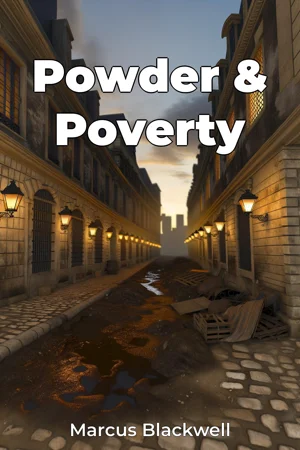
In 17th-century France, the gap between palatial grandeur and grinding poverty created a stark social landscape where perfumed nobles walked streets filled with human waste. "Powder & Poverty" delves into this paradoxical world through the eyes of common people, examining how daily life unfolded in an era marked by significant social disparity and challenging living conditions. The book focuses on three primary themes: public health challenges, social hierarchies, and urban living conditions. Through detailed examination of parish records, municipal documents, and personal accounts, it reconstructs the daily struggles of ordinary citizens confronting widespread disease, inadequate sanitation, and economic hardship. These elements shaped not only individual lives but also the broader social fabric of French society. Drawing from extensive archival research, including medical records, city planning documents, and personal correspondence, the work presents a comprehensive analysis of how common people navigated their harsh environment. The author examines primary sources from multiple French provinces, offering readers insight into both urban and rural experiences during this pivotal century. The central argument posits that the living conditions of 17th-century French commoners significantly influenced social mobility, public health policies, and urban development. This perspective challenges traditional historical narratives that primarily focus on political and aristocratic histories, instead emphasizing how everyday challenges shaped broader historical developments. The book is structured in three main sections. The first examines the physical environment, including housing conditions, street layouts, and sanitation systems. The second explores public health challenges, detailing common diseases, medical practices, and mortality rates. The third section analyzes social responses to these conditions, including community networks, survival strategies, and interactions between social classes. Methodologically, the work combines demographic data with social history approaches, incorporating archaeological findings and architectural studies to create a multifaceted view of daily life. The research draws connections between environmental history, medical history, and social studies, demonstrating how public health issues intersected with economic and social development. The narrative maintains an academic tone while remaining accessible to general readers interested in social history. Technical terms are clearly explained, and complex concepts are illustrated through specific examples and case studies from various French regions. This work is particularly relevant for students and scholars of European history, social sciences, and public health, as well as readers interested in understanding how historical living conditions influence social development. It provides valuable context for modern urban planning and public health discussions by examining their historical foundations. The book acknowledges its limitations, focusing primarily on urban and suburban areas where documentation was more prevalent, while noting that rural experiences may have varied. It addresses ongoing scholarly debates about the relationship between living conditions and social mobility in pre-industrial societies. Practical applications of this research extend to modern urban planning, public health policy, and social program development. The historical patterns and solutions discussed offer relevant insights for contemporary challenges in rapidly urbanizing regions. The work stands out through its integrated approach to social history, combining quantitative data with qualitative analysis to create a nuanced understanding of how environmental conditions shaped human experience. By examining these historical challenges, the book provides valuable perspective on modern social issues while maintaining scholarly rigor and historical accuracy.
In 17th-century France, the gap between palatial grandeur and grinding poverty created a stark social landscape where perfumed nobles walked streets filled with human waste. "Powder & Poverty" delves into this paradoxical world through the eyes of common people, examining how daily life unfolded in an era marked by significant social disparity and challenging living conditions. The book focuses on three primary themes: public health challenges, social hierarchies, and urban living conditions. Through detailed examination of parish records, municipal documents, and personal accounts, it reconstructs the daily struggles of ordinary citizens confronting widespread disease, inadequate sanitation, and economic hardship. These elements shaped not only individual lives but also the broader social fabric of French society. Drawing from extensive archival research, including medical records, city planning documents, and personal correspondence, the work presents a comprehensive analysis of how common people navigated their harsh environment. The author examines primary sources from multiple French provinces, offering readers insight into both urban and rural experiences during this pivotal century. The central argument posits that the living conditions of 17th-century French commoners significantly influenced social mobility, public health policies, and urban development. This perspective challenges traditional historical narratives that primarily focus on political and aristocratic histories, instead emphasizing how everyday challenges shaped broader historical developments. The book is structured in three main sections. The first examines the physical environment, including housing conditions, street layouts, and sanitation systems. The second explores public health challenges, detailing common diseases, medical practices, and mortality rates. The third section analyzes social responses to these conditions, including community networks, survival strategies, and interactions between social classes. Methodologically, the work combines demographic data with social history approaches, incorporating archaeological findings and architectural studies to create a multifaceted view of daily life. The research draws connections between environmental history, medical history, and social studies, demonstrating how public health issues intersected with economic and social development. The narrative maintains an academic tone while remaining accessible to general readers interested in social history. Technical terms are clearly explained, and complex concepts are illustrated through specific examples and case studies from various French regions. This work is particularly relevant for students and scholars of European history, social sciences, and public health, as well as readers interested in understanding how historical living conditions influence social development. It provides valuable context for modern urban planning and public health discussions by examining their historical foundations. The book acknowledges its limitations, focusing primarily on urban and suburban areas where documentation was more prevalent, while noting that rural experiences may have varied. It addresses ongoing scholarly debates about the relationship between living conditions and social mobility in pre-industrial societies. Practical applications of this research extend to modern urban planning, public health policy, and social program development. The historical patterns and solutions discussed offer relevant insights for contemporary challenges in rapidly urbanizing regions. The work stands out through its integrated approach to social history, combining quantitative data with qualitative analysis to create a nuanced understanding of how environmental conditions shaped human experience. By examining these historical challenges, the book provides valuable perspective on modern social issues while maintaining scholarly rigor and historical accuracy.
"Powder & Poverty" explores the stark contrast between opulence and destitution in 17th-century France, where perfumed nobility shared streets with squalor and human waste. Through meticulous examination of parish records, medical documents, and personal accounts, the book reconstructs daily life during this pivotal period, focusing on how common people navigated severe public health challenges, rigid social hierarchies, and harsh urban living conditions. The narrative unfolds across three comprehensive sections, beginning with an examination of physical environments and urban infrastructure, followed by an exploration of public health challenges and mortality rates, and concluding with an analysis of how communities developed survival strategies across social classes. What makes this work particularly valuable is its innovative approach to combining demographic data with social history, incorporating archaeological findings to present a multifaceted view of daily life in both urban and rural settings. By examining how environmental conditions and social disparities shaped human experience, the book challenges traditional historical narratives that typically focus on political and aristocratic perspectives. The author's use of extensive archival research, including municipal documents and personal correspondence from multiple French provinces, provides readers with a groundbreaking perspective on how everyday challenges influenced broader historical developments in public health, urban planning, and social mobility.
Book Details
ISBN
9788233936150
Publisher
Publifye AS
Your Licenses
You don't own any licenses for this book
Purchase a license below to unlock this book and download the EPUB.
Purchase License
Select a tier to unlock this book
Need bulk licensing?
Contact us for enterprise agreements.