
About This Book
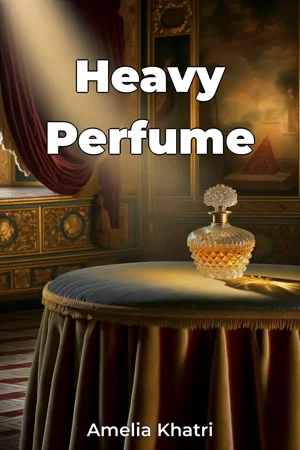
"Heavy Perfume" explores the intricate relationship between social status, hygiene practices, and olfactory deception in European aristocratic society from the 16th to 18th centuries. The book opens with a striking paradox: while the nobility lived in opulent palaces and wore the finest clothing, they rarely bathed, creating a complex cultural dynamic where scent became a tool of social power and class distinction. The work examines three primary themes: the evolution of personal hygiene practices among the upper classes, the development and significance of the perfume industry, and the social implications of scent in aristocratic circles. These interconnected topics reveal how the wealthy maintained their social position despite habits that, by modern standards, would be considered unsanitary. Drawing from primary sources including personal letters, court documents, and perfumers' records, the book reconstructs the aromatic landscape of European courts. It details how medical theories of the time discouraged regular bathing, believing it weakened the body and allowed diseases to enter through opened pores. This context helps readers understand why even the wealthiest individuals chose elaborate fragrances over water and soap. The central argument posits that perfume served as more than mere olfactory camouflage—it became a sophisticated system of social communication and power projection. The book demonstrates how aristocrats used specific scents to assert their status, mark their territory, and maintain social boundaries between classes. Structured chronologically, the narrative begins with medieval European hygiene practices, progresses through the rise of professional perfumers, and culminates in the elaborate scent culture of Versailles. Key chapters examine the chemistry of historical perfume creation, the political implications of signature scents, and the economic impact of the luxury fragrance trade. The research combines archaeological findings from palace sites, chemical analysis of surviving perfume bottles, and extensive archival documentation. The author incorporates insights from anthropology, chemistry, and economics to provide a multifaceted analysis of this historical phenomenon. The book makes significant connections to modern luxury marketing, public health policy, and social status signaling. It demonstrates how current practices in the fragrance industry echo historical patterns of exclusivity and social differentiation. Written in an accessible academic style, the work balances scholarly rigor with engaging historical anecdotes. While primarily targeted at readers interested in social history and cultural studies, it offers valuable insights for anyone studying luxury markets, human behavior, or the history of public health. The scope encompasses Western European aristocratic society, with particular focus on French and English courts. While acknowledging regional variations, the book maintains focus on the major power centers where these practices were most pronounced and documented. For modern readers, the book offers relevant perspectives on how societies construct and maintain social hierarchies through sensory experiences, and how luxury goods serve as tools of social differentiation. It addresses ongoing debates about the relationship between cleanliness and social status, and how societies define and regulate acceptable bodily practices. The work provides a thorough examination of a specific aspect of social history while illuminating broader patterns of human behavior and social organization that continue to influence modern society.
"Heavy Perfume" explores the intricate relationship between social status, hygiene practices, and olfactory deception in European aristocratic society from the 16th to 18th centuries. The book opens with a striking paradox: while the nobility lived in opulent palaces and wore the finest clothing, they rarely bathed, creating a complex cultural dynamic where scent became a tool of social power and class distinction. The work examines three primary themes: the evolution of personal hygiene practices among the upper classes, the development and significance of the perfume industry, and the social implications of scent in aristocratic circles. These interconnected topics reveal how the wealthy maintained their social position despite habits that, by modern standards, would be considered unsanitary. Drawing from primary sources including personal letters, court documents, and perfumers' records, the book reconstructs the aromatic landscape of European courts. It details how medical theories of the time discouraged regular bathing, believing it weakened the body and allowed diseases to enter through opened pores. This context helps readers understand why even the wealthiest individuals chose elaborate fragrances over water and soap. The central argument posits that perfume served as more than mere olfactory camouflage—it became a sophisticated system of social communication and power projection. The book demonstrates how aristocrats used specific scents to assert their status, mark their territory, and maintain social boundaries between classes. Structured chronologically, the narrative begins with medieval European hygiene practices, progresses through the rise of professional perfumers, and culminates in the elaborate scent culture of Versailles. Key chapters examine the chemistry of historical perfume creation, the political implications of signature scents, and the economic impact of the luxury fragrance trade. The research combines archaeological findings from palace sites, chemical analysis of surviving perfume bottles, and extensive archival documentation. The author incorporates insights from anthropology, chemistry, and economics to provide a multifaceted analysis of this historical phenomenon. The book makes significant connections to modern luxury marketing, public health policy, and social status signaling. It demonstrates how current practices in the fragrance industry echo historical patterns of exclusivity and social differentiation. Written in an accessible academic style, the work balances scholarly rigor with engaging historical anecdotes. While primarily targeted at readers interested in social history and cultural studies, it offers valuable insights for anyone studying luxury markets, human behavior, or the history of public health. The scope encompasses Western European aristocratic society, with particular focus on French and English courts. While acknowledging regional variations, the book maintains focus on the major power centers where these practices were most pronounced and documented. For modern readers, the book offers relevant perspectives on how societies construct and maintain social hierarchies through sensory experiences, and how luxury goods serve as tools of social differentiation. It addresses ongoing debates about the relationship between cleanliness and social status, and how societies define and regulate acceptable bodily practices. The work provides a thorough examination of a specific aspect of social history while illuminating broader patterns of human behavior and social organization that continue to influence modern society.
"Heavy Perfume" uncovers the fascinating paradox of European aristocratic society from the 16th to 18th centuries, where nobility's aversion to bathing led to an elaborate culture of perfume use as a tool for social power. Through meticulous research combining court documents, personal letters, and perfumers' records, the book reveals how the wealthy maintained their social status despite what modern standards would consider poor hygiene practices. The narrative progresses chronologically from medieval European hygiene customs to the sophisticated scent culture of Versailles, examining how medical theories of the time actually discouraged bathing, believing it weakened the body. The wealthy compensated by developing an intricate system of olfactory communication, where specific fragrances became markers of social status and power. At the center of this cultural phenomenon was the court of Versailles, where elaborate perfumes not only masked unpleasant odors but served as sophisticated tools for maintaining social hierarchies. The book uniquely bridges historical practices with modern perspectives, demonstrating how luxury fragrance trades and social status signaling continue to echo patterns established centuries ago. By weaving together insights from anthropology, chemistry, and economics, the author creates an engaging analysis that speaks to both scholarly readers and those interested in cultural history. This multifaceted approach helps readers understand how sensory experiences and luxury goods have historically shaped, and continue to influence, social differentiation and power dynamics.
Book Details
ISBN
9788233936136
Publisher
Publifye AS
Your Licenses
You don't own any licenses for this book
Purchase a license below to unlock this book and download the EPUB.
Purchase License
Select a tier to unlock this book
Need bulk licensing?
Contact us for enterprise agreements.