
About This Book
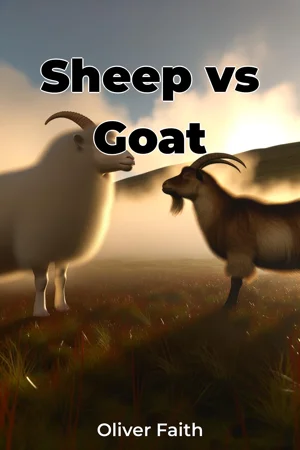
"Sheep vs Goat" presents a meticulously researched examination of two of humanity's most historically significant domesticated animals, exploring their distinct characteristics and symbolic meanings across both scientific study and biblical interpretation. The work bridges the gap between biological understanding and religious significance, offering readers a comprehensive analysis of how these animals have shaped both agricultural practices and spiritual metaphors. The book establishes three primary areas of investigation: the biological and behavioral distinctions between sheep and goats, their historical domestication and economic impact, and their profound symbolic significance in biblical texts. Through careful analysis, it demonstrates how these seemingly simple farm animals have profoundly influenced human civilization and religious thought. The scientific section details key biological differences, from grazing habits to social behavior, supported by current agricultural research and evolutionary studies. This foundation helps readers understand why these animals developed different roles in human societies. The text explains how sheep's tendency toward hierarchical social structures and goats' more independent nature influenced their domestication patterns and subsequent symbolic representations. Biblical references to sheep and goats appear in over 500 passages, and the book methodically analyzes these appearances, from the sacrificial system of the Old Testament to Jesus's parable of the sheep and goats in Matthew 25. The work demonstrates how understanding the actual characteristics of these animals enhances interpretation of biblical metaphors and provides cultural context for ancient Near Eastern pastoral societies. The research draws from archaeological findings, ancient agricultural texts, modern behavioral studies, and biblical scholarship. It incorporates recent findings from Middle Eastern archaeological sites about early domestication patterns and genetic studies revealing the development of distinct breeds. This multidisciplinary approach provides readers with a robust framework for understanding both the physical and metaphysical aspects of these animals. The book is structured in four main sections: biological characteristics, historical significance, biblical symbolism, and modern implications. Each section builds upon the previous, creating a coherent narrative that connects scientific observation to spiritual interpretation. This systematic approach helps readers grasp how practical understanding of these animals informed their symbolic use. Written in an academic yet accessible style, the work maintains scholarly rigor while remaining engaging for general readers. It addresses complex topics such as the development of pastoral societies, the evolution of religious symbolism, and the interaction between practical animal husbandry and spiritual metaphor. The target audience includes biblical scholars, agricultural historians, and general readers interested in the intersection of science and religion. The book serves as both a reference work and an engaging exploration of how animal behavior influences human understanding and spiritual metaphor. The text acknowledges ongoing debates in both scientific and religious communities about interpretations of certain texts and symbols, presenting multiple viewpoints while maintaining a balanced perspective. It addresses contemporary questions about the accuracy of traditional biblical translations regarding these animals and how modern understanding of their behavior might influence interpretation. Practical applications include enhanced biblical interpretation, improved understanding of ancient Near Eastern cultures, and insights into sustainable agricultural practices based on traditional animal behavior patterns. The work is particularly relevant for those studying pastoral societies, religious symbolism, or the relationship between agricultural practice and religious thought. The book's scope encompasses both ancient and modern perspectives while maintaining focus on verifiable data and documented historical records. It avoids speculation while presenting evidence-based connections between biological reality and symbolic meaning.
"Sheep vs Goat" presents a meticulously researched examination of two of humanity's most historically significant domesticated animals, exploring their distinct characteristics and symbolic meanings across both scientific study and biblical interpretation. The work bridges the gap between biological understanding and religious significance, offering readers a comprehensive analysis of how these animals have shaped both agricultural practices and spiritual metaphors. The book establishes three primary areas of investigation: the biological and behavioral distinctions between sheep and goats, their historical domestication and economic impact, and their profound symbolic significance in biblical texts. Through careful analysis, it demonstrates how these seemingly simple farm animals have profoundly influenced human civilization and religious thought. The scientific section details key biological differences, from grazing habits to social behavior, supported by current agricultural research and evolutionary studies. This foundation helps readers understand why these animals developed different roles in human societies. The text explains how sheep's tendency toward hierarchical social structures and goats' more independent nature influenced their domestication patterns and subsequent symbolic representations. Biblical references to sheep and goats appear in over 500 passages, and the book methodically analyzes these appearances, from the sacrificial system of the Old Testament to Jesus's parable of the sheep and goats in Matthew 25. The work demonstrates how understanding the actual characteristics of these animals enhances interpretation of biblical metaphors and provides cultural context for ancient Near Eastern pastoral societies. The research draws from archaeological findings, ancient agricultural texts, modern behavioral studies, and biblical scholarship. It incorporates recent findings from Middle Eastern archaeological sites about early domestication patterns and genetic studies revealing the development of distinct breeds. This multidisciplinary approach provides readers with a robust framework for understanding both the physical and metaphysical aspects of these animals. The book is structured in four main sections: biological characteristics, historical significance, biblical symbolism, and modern implications. Each section builds upon the previous, creating a coherent narrative that connects scientific observation to spiritual interpretation. This systematic approach helps readers grasp how practical understanding of these animals informed their symbolic use. Written in an academic yet accessible style, the work maintains scholarly rigor while remaining engaging for general readers. It addresses complex topics such as the development of pastoral societies, the evolution of religious symbolism, and the interaction between practical animal husbandry and spiritual metaphor. The target audience includes biblical scholars, agricultural historians, and general readers interested in the intersection of science and religion. The book serves as both a reference work and an engaging exploration of how animal behavior influences human understanding and spiritual metaphor. The text acknowledges ongoing debates in both scientific and religious communities about interpretations of certain texts and symbols, presenting multiple viewpoints while maintaining a balanced perspective. It addresses contemporary questions about the accuracy of traditional biblical translations regarding these animals and how modern understanding of their behavior might influence interpretation. Practical applications include enhanced biblical interpretation, improved understanding of ancient Near Eastern cultures, and insights into sustainable agricultural practices based on traditional animal behavior patterns. The work is particularly relevant for those studying pastoral societies, religious symbolism, or the relationship between agricultural practice and religious thought. The book's scope encompasses both ancient and modern perspectives while maintaining focus on verifiable data and documented historical records. It avoids speculation while presenting evidence-based connections between biological reality and symbolic meaning.
"Sheep vs Goat" offers a fascinating exploration of how these two fundamental domesticated animals have shaped both agricultural practices and religious understanding throughout human history. This comprehensive work uniquely bridges scientific research and biblical interpretation, examining over 500 biblical references while grounding them in concrete biological and behavioral realities. The book systematically progresses through four main sections, beginning with the biological distinctions between sheep and goats, such as their contrasting grazing habits and social behaviors. It then delves into their historical domestication, revealing how sheep's hierarchical nature and goats' independence influenced their roles in ancient societies. The text particularly shines in its analysis of these animals' symbolic significance in biblical texts, from Old Testament sacrificial systems to New Testament parables, all while incorporating archaeological findings from Middle Eastern sites and modern behavioral studies. What sets this work apart is its multidisciplinary approach, combining archaeological evidence, ancient agricultural texts, and contemporary scientific research to create a cohesive narrative. Written in an accessible yet scholarly style, it serves both academic and general readers interested in the intersection of science and religion. The book's methodical exploration of how practical animal husbandry informed spiritual metaphors provides valuable insights for biblical scholars, agricultural historians, and anyone intrigued by the relationship between natural world observations and religious symbolism.
Book Details
ISBN
9788233936099
Publisher
Publifye AS
Your Licenses
You don't own any licenses for this book
Purchase a license below to unlock this book and download the EPUB.
Purchase License
Select a tier to unlock this book
Need bulk licensing?
Contact us for enterprise agreements.