
About This Book
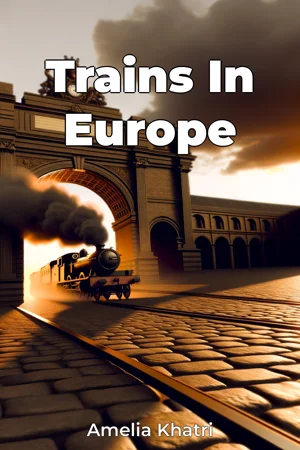
"Trains in Europe" presents a comprehensive exploration of railway systems that have shaped the continent's development, connecting its diverse nations and cultures across two centuries of technological and social evolution. The book examines three primary themes: the historical development of European rail networks from the Industrial Revolution to modern high-speed systems, the technical innovations that revolutionized continental travel, and the cultural impact of railways on European integration and mobility. These interconnected aspects reveal how rail transport has influenced everything from economic growth to social mobility across the continent. Beginning with the Liverpool and Manchester Railway's inauguration in 1830, the work traces how rail networks expanded across Europe, creating a transportation revolution that transformed the continent's economic and social landscape. The book provides essential context about early industrialization, engineering achievements, and the political climate that enabled railway expansion. The central thesis argues that European railway development represents one of the most significant factors in the continent's modernization, serving as both a practical transportation network and a catalyst for cultural exchange and economic integration. This perspective is supported through extensive analysis of historical records, engineering documents, and social impact studies. Structured chronologically and thematically, the content progresses through distinct periods of railway development. The first section examines the pioneering age of steam (1830-1900), followed by electrification and standardization efforts (1900-1950), and culminating with the modern era of high-speed rail and European integration (1950-present). The research draws from multiple sources, including national railway archives, engineering specifications, passenger records, and economic data from various European countries. The book incorporates detailed case studies of significant routes, such as the Orient Express and the Trans-European Network. The work connects transportation history with urban development, economic theory, and environmental studies. It demonstrates how railway engineering influenced architectural design, how train schedules standardized time zones, and how rail networks continue to impact environmental planning and energy policies. The book employs an analytical approach, balancing technical detail with accessible narrative. It includes detailed maps, engineering diagrams, and historical photographs to illustrate key concepts and developments. The writing style maintains scholarly rigor while remaining engaging for general readers interested in transportation, European history, or industrial development. Primary audiences include transportation historians, urban planners, railway enthusiasts, and readers interested in European integration and industrial heritage. The book serves as both a detailed reference work and an engaging narrative of technological progress. Specific attention is given to the standardization of rail gauges, signaling systems, and international cooperation in rail planning. The work addresses current debates about rail versus air travel, environmental impact, and the future of European transport integration. The book's scope encompasses major Western European networks while acknowledging limitations in coverage of smaller regional systems. It maintains focus on mainstream rail development while referencing narrow-gauge and specialized industrial railways where relevant. Practical applications include insights for modern transport planning, heritage preservation, and sustainable development. The work provides context for current European Union transportation policies and infrastructure projects. The book addresses ongoing debates about rail privatization, high-speed rail development, and the balance between preservation and modernization of historic railway infrastructure.
"Trains in Europe" presents a comprehensive exploration of railway systems that have shaped the continent's development, connecting its diverse nations and cultures across two centuries of technological and social evolution. The book examines three primary themes: the historical development of European rail networks from the Industrial Revolution to modern high-speed systems, the technical innovations that revolutionized continental travel, and the cultural impact of railways on European integration and mobility. These interconnected aspects reveal how rail transport has influenced everything from economic growth to social mobility across the continent. Beginning with the Liverpool and Manchester Railway's inauguration in 1830, the work traces how rail networks expanded across Europe, creating a transportation revolution that transformed the continent's economic and social landscape. The book provides essential context about early industrialization, engineering achievements, and the political climate that enabled railway expansion. The central thesis argues that European railway development represents one of the most significant factors in the continent's modernization, serving as both a practical transportation network and a catalyst for cultural exchange and economic integration. This perspective is supported through extensive analysis of historical records, engineering documents, and social impact studies. Structured chronologically and thematically, the content progresses through distinct periods of railway development. The first section examines the pioneering age of steam (1830-1900), followed by electrification and standardization efforts (1900-1950), and culminating with the modern era of high-speed rail and European integration (1950-present). The research draws from multiple sources, including national railway archives, engineering specifications, passenger records, and economic data from various European countries. The book incorporates detailed case studies of significant routes, such as the Orient Express and the Trans-European Network. The work connects transportation history with urban development, economic theory, and environmental studies. It demonstrates how railway engineering influenced architectural design, how train schedules standardized time zones, and how rail networks continue to impact environmental planning and energy policies. The book employs an analytical approach, balancing technical detail with accessible narrative. It includes detailed maps, engineering diagrams, and historical photographs to illustrate key concepts and developments. The writing style maintains scholarly rigor while remaining engaging for general readers interested in transportation, European history, or industrial development. Primary audiences include transportation historians, urban planners, railway enthusiasts, and readers interested in European integration and industrial heritage. The book serves as both a detailed reference work and an engaging narrative of technological progress. Specific attention is given to the standardization of rail gauges, signaling systems, and international cooperation in rail planning. The work addresses current debates about rail versus air travel, environmental impact, and the future of European transport integration. The book's scope encompasses major Western European networks while acknowledging limitations in coverage of smaller regional systems. It maintains focus on mainstream rail development while referencing narrow-gauge and specialized industrial railways where relevant. Practical applications include insights for modern transport planning, heritage preservation, and sustainable development. The work provides context for current European Union transportation policies and infrastructure projects. The book addresses ongoing debates about rail privatization, high-speed rail development, and the balance between preservation and modernization of historic railway infrastructure.
Trains in Europe masterfully chronicles the transformative journey of railway systems across the continent, weaving together two centuries of technological innovation, social change, and cultural integration. Beginning with the groundbreaking Liverpool and Manchester Railway in 1830, Trains In Europe reveals how rail networks fundamentally reshaped European society, serving as both practical infrastructure and a powerful force for continental unity. The narrative unfolds through three distinct periods: the pioneering steam age (1830-1900), the era of electrification and standardization (1900-1950), and the modern high-speed rail revolution (1950-present). Through detailed case studies of iconic routes like the Orient Express and analysis of engineering achievements, Trains In Europe illuminates how railways standardized time zones, influenced architectural design, and accelerated economic growth across borders. Particularly fascinating is the exploration of how rail gauge standardization and signaling systems development enabled seamless international travel. This comprehensive work balances technical expertise with engaging storytelling, using maps, historical photographs, and engineering diagrams to illustrate key developments. Trains In Europe uniquely positions European railway development as a crucial catalyst for modernization, demonstrating how rail networks continue to shape contemporary discussions about sustainable transport, environmental planning, and continental integration. Whether for transportation historians, urban planners, or railway enthusiasts, Trains In Europe offers valuable insights into how rail infrastructure has defined and continues to influence European identity and development.
Book Details
ISBN
9788233936075
Publisher
Publifye AS
Your Licenses
You don't own any licenses for this book
Purchase a license below to unlock this book and download the EPUB.
Purchase License
Select a tier to unlock this book
Need bulk licensing?
Contact us for enterprise agreements.