
About This Book
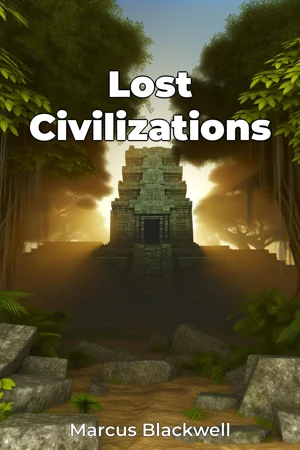
"Lost Civilizations" examines the archaeological and architectural legacies of vanished societies, offering readers a detailed analysis of how ancient peoples built, lived, and ultimately disappeared. Through careful examination of architectural remains, cultural artifacts, and historical records, this comprehensive work illuminates the complex story of humanity's past civilizations. The book centers on three primary themes: the architectural achievements of lost societies, the technological capabilities that enabled their construction, and the societal factors that contributed to their eventual decline. These interconnected elements provide readers with a nuanced understanding of how civilizations rise, flourish, and fade. The work begins by establishing a crucial framework for understanding ancient construction methods, from the precise stone-fitting techniques of the Inca to the massive architectural projects of Mesopotamia. This technical foundation allows readers to appreciate the sophisticated engineering knowledge these societies possessed, challenging common assumptions about prehistoric capabilities. Through systematic analysis, the book presents evidence from archaeological sites worldwide, incorporating recent technological advances in dating methods, satellite imagery, and material analysis. This research combines traditional archaeological data with modern scientific techniques, offering fresh insights into familiar ruins and newly discovered sites. The narrative explores several key civilizations chronologically, including: - The early urban centers of the Indus Valley, with their advanced water management systems - The desert cities of the Nabataeans, featuring water conservation architecture - The megalithic structures of Mediterranean islands, presenting unique engineering solutions Each chapter integrates architectural analysis with historical context, examining how environmental factors, resource availability, and social organization influenced building practices. The book demonstrates how architecture served not only practical purposes but also reflected cultural values and social hierarchies. The work makes significant connections across disciplines, linking architectural history with climatology, materials science, and anthropology. These intersections reveal how ancient builders adapted to environmental challenges and how their solutions might inform modern sustainable design practices. The research draws from multiple sources: - Archaeological excavation reports - Advanced imaging technology data - Environmental studies - Historical documents and contemporary accounts - Geological surveys - Anthropological research The book maintains an academic tone while remaining accessible to general readers interested in ancient history and architecture. Technical terms are clearly defined, and complex concepts are explained through practical examples and illustrations. This work is particularly relevant for: - Architects and urban planners seeking historical perspective - Students of archaeology and ancient history - Professionals in heritage conservation - General readers interested in ancient technologies The scope encompasses civilizations from approximately 3500 BCE to 1500 CE, focusing on societies with significant architectural remains. While the book acknowledges gaps in historical records, it presents current scholarly consensus while noting areas of ongoing debate. The work addresses several current archaeological controversies, including: - The role of climate change in societal collapse - The transfer of architectural knowledge between civilizations - The purpose of specific monumental structures Rather than presenting lost civilizations as isolated cases, the book demonstrates their interconnectedness and lasting influence on modern society. It concludes by examining how ancient architectural solutions continue to inform contemporary building practices and urban planning.
"Lost Civilizations" examines the archaeological and architectural legacies of vanished societies, offering readers a detailed analysis of how ancient peoples built, lived, and ultimately disappeared. Through careful examination of architectural remains, cultural artifacts, and historical records, this comprehensive work illuminates the complex story of humanity's past civilizations. The book centers on three primary themes: the architectural achievements of lost societies, the technological capabilities that enabled their construction, and the societal factors that contributed to their eventual decline. These interconnected elements provide readers with a nuanced understanding of how civilizations rise, flourish, and fade. The work begins by establishing a crucial framework for understanding ancient construction methods, from the precise stone-fitting techniques of the Inca to the massive architectural projects of Mesopotamia. This technical foundation allows readers to appreciate the sophisticated engineering knowledge these societies possessed, challenging common assumptions about prehistoric capabilities. Through systematic analysis, the book presents evidence from archaeological sites worldwide, incorporating recent technological advances in dating methods, satellite imagery, and material analysis. This research combines traditional archaeological data with modern scientific techniques, offering fresh insights into familiar ruins and newly discovered sites. The narrative explores several key civilizations chronologically, including: - The early urban centers of the Indus Valley, with their advanced water management systems - The desert cities of the Nabataeans, featuring water conservation architecture - The megalithic structures of Mediterranean islands, presenting unique engineering solutions Each chapter integrates architectural analysis with historical context, examining how environmental factors, resource availability, and social organization influenced building practices. The book demonstrates how architecture served not only practical purposes but also reflected cultural values and social hierarchies. The work makes significant connections across disciplines, linking architectural history with climatology, materials science, and anthropology. These intersections reveal how ancient builders adapted to environmental challenges and how their solutions might inform modern sustainable design practices. The research draws from multiple sources: - Archaeological excavation reports - Advanced imaging technology data - Environmental studies - Historical documents and contemporary accounts - Geological surveys - Anthropological research The book maintains an academic tone while remaining accessible to general readers interested in ancient history and architecture. Technical terms are clearly defined, and complex concepts are explained through practical examples and illustrations. This work is particularly relevant for: - Architects and urban planners seeking historical perspective - Students of archaeology and ancient history - Professionals in heritage conservation - General readers interested in ancient technologies The scope encompasses civilizations from approximately 3500 BCE to 1500 CE, focusing on societies with significant architectural remains. While the book acknowledges gaps in historical records, it presents current scholarly consensus while noting areas of ongoing debate. The work addresses several current archaeological controversies, including: - The role of climate change in societal collapse - The transfer of architectural knowledge between civilizations - The purpose of specific monumental structures Rather than presenting lost civilizations as isolated cases, the book demonstrates their interconnectedness and lasting influence on modern society. It concludes by examining how ancient architectural solutions continue to inform contemporary building practices and urban planning.
"Lost Civilizations" offers a fascinating exploration of vanished societies through their architectural and archaeological remains, revealing the intricate connections between ancient building practices, technological capabilities, and societal development. The book masterfully weaves together evidence from archaeological sites worldwide, combining traditional research methods with cutting-edge technology like satellite imagery and advanced material analysis to uncover the secrets of our ancestors' architectural achievements. From the precise stone-fitting techniques of the Inca to the sophisticated water management systems of the Indus Valley, the book chronicles how ancient civilizations tackled complex engineering challenges. Each chapter progresses chronologically through different societies, examining how they adapted to environmental challenges and developed innovative architectural solutions. The narrative particularly shines when exploring how ancient builders incorporated their cultural values and social hierarchies into their architectural designs, demonstrating that these structures were more than mere shelters. The book's unique approach lies in its interdisciplinary perspective, connecting architectural history with climatology, materials science, and anthropology. By examining civilizations from 3500 BCE to 1500 CE, it challenges common assumptions about prehistoric capabilities while remaining accessible to general readers. This comprehensive analysis not only illuminates our understanding of ancient societies but also demonstrates how their architectural solutions continue to influence modern sustainable design practices, making it an invaluable resource for both professionals and history enthusiasts.
Book Details
ISBN
9788233935993
Publisher
Publifye AS
Your Licenses
You don't own any licenses for this book
Purchase a license below to unlock this book and download the EPUB.
Purchase License
Select a tier to unlock this book
Need bulk licensing?
Contact us for enterprise agreements.