
About This Book
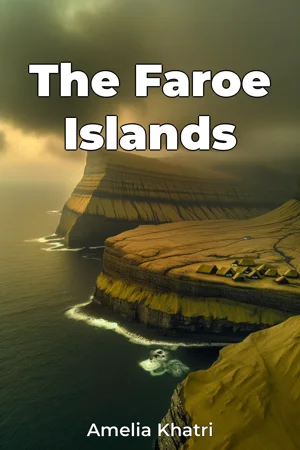
Nestled in the North Atlantic between Scotland and Iceland lie eighteen islands that have preserved one of Europe's most distinct cultures across twelve centuries of habitation. "The Faroe Islands" presents a comprehensive exploration of this archipelago's evolution from Viking settlement to modern Nordic nation, offering readers an unprecedented look into a unique intersection of geography, history, and cultural preservation. The book examines three core themes: the islands' geological formation and its impact on human settlement patterns, the development of Faroese society from medieval times to the present, and the distinctive cultural practices that have emerged from geographical isolation. These interconnected elements reveal how the Faroese people have maintained their identity while adapting to changing global circumstances. Drawing from archaeological findings, medieval manuscripts, and contemporary governmental records, the work establishes how the initial Norse settlement in the 9th century created the foundation for modern Faroese society. The narrative traces the islands' transition from a Viking outpost to a Danish possession, examining how this political relationship shaped local governance, economic development, and social structures. The book's central argument posits that the Faroe Islands represent a singular case study in cultural resilience, where geographic isolation has both preserved ancient Nordic traditions and necessitated innovative adaptations to modern challenges. This thesis is supported through detailed analysis of linguistic preservation, traditional farming methods, and the evolution of maritime industries. Structured chronologically, the content progresses from geological origins through various historical periods, concluding with contemporary challenges and opportunities. Key chapters focus on the development of the distinctive Faroese language, the transformation of subsistence farming and fishing into modern industries, and the islands' current position in global economics and politics. The research draws upon archaeological excavations, linguistic studies, oral histories, and economic data. Notable attention is given to the islands' maritime records, which document centuries of fishing practices and trade relationships. The work integrates environmental science, anthropology, and economic history to present a multifaceted analysis of this distinctive society. Written in an academic yet accessible style, the book employs clear explanations of complex historical processes while maintaining scholarly rigor. It serves academics, students, and general readers interested in Nordic history, island cultures, and sustainable community development. The work addresses ongoing debates about cultural preservation in an increasingly connected world, examining how the Faroese balance tradition with modernization. It explores controversies surrounding whaling practices, environmental conservation, and economic diversification beyond fishing. The book's scope encompasses both broad historical narratives and detailed examinations of specific cultural practices, though it acknowledges limitations in pre-medieval historical records. It provides practical insights for other small nations navigating globalization while maintaining cultural identity. This work stands out through its integration of environmental determinism with cultural analysis, demonstrating how geography has shaped everything from building techniques to social customs. It offers valuable perspectives for anthropologists, historians, and policymakers studying isolated communities and cultural preservation in the modern world. Rather than presenting the Faroe Islands as merely a tourist destination, this book reveals them as a living laboratory for understanding how small communities can maintain cultural distinction while engaging with global society, making it relevant for readers interested in sustainable development, cultural preservation, and Nordic history.
Nestled in the North Atlantic between Scotland and Iceland lie eighteen islands that have preserved one of Europe's most distinct cultures across twelve centuries of habitation. "The Faroe Islands" presents a comprehensive exploration of this archipelago's evolution from Viking settlement to modern Nordic nation, offering readers an unprecedented look into a unique intersection of geography, history, and cultural preservation. The book examines three core themes: the islands' geological formation and its impact on human settlement patterns, the development of Faroese society from medieval times to the present, and the distinctive cultural practices that have emerged from geographical isolation. These interconnected elements reveal how the Faroese people have maintained their identity while adapting to changing global circumstances. Drawing from archaeological findings, medieval manuscripts, and contemporary governmental records, the work establishes how the initial Norse settlement in the 9th century created the foundation for modern Faroese society. The narrative traces the islands' transition from a Viking outpost to a Danish possession, examining how this political relationship shaped local governance, economic development, and social structures. The book's central argument posits that the Faroe Islands represent a singular case study in cultural resilience, where geographic isolation has both preserved ancient Nordic traditions and necessitated innovative adaptations to modern challenges. This thesis is supported through detailed analysis of linguistic preservation, traditional farming methods, and the evolution of maritime industries. Structured chronologically, the content progresses from geological origins through various historical periods, concluding with contemporary challenges and opportunities. Key chapters focus on the development of the distinctive Faroese language, the transformation of subsistence farming and fishing into modern industries, and the islands' current position in global economics and politics. The research draws upon archaeological excavations, linguistic studies, oral histories, and economic data. Notable attention is given to the islands' maritime records, which document centuries of fishing practices and trade relationships. The work integrates environmental science, anthropology, and economic history to present a multifaceted analysis of this distinctive society. Written in an academic yet accessible style, the book employs clear explanations of complex historical processes while maintaining scholarly rigor. It serves academics, students, and general readers interested in Nordic history, island cultures, and sustainable community development. The work addresses ongoing debates about cultural preservation in an increasingly connected world, examining how the Faroese balance tradition with modernization. It explores controversies surrounding whaling practices, environmental conservation, and economic diversification beyond fishing. The book's scope encompasses both broad historical narratives and detailed examinations of specific cultural practices, though it acknowledges limitations in pre-medieval historical records. It provides practical insights for other small nations navigating globalization while maintaining cultural identity. This work stands out through its integration of environmental determinism with cultural analysis, demonstrating how geography has shaped everything from building techniques to social customs. It offers valuable perspectives for anthropologists, historians, and policymakers studying isolated communities and cultural preservation in the modern world. Rather than presenting the Faroe Islands as merely a tourist destination, this book reveals them as a living laboratory for understanding how small communities can maintain cultural distinction while engaging with global society, making it relevant for readers interested in sustainable development, cultural preservation, and Nordic history.
"The Faroe Islands" presents a fascinating exploration of eighteen North Atlantic islands that have maintained a distinctive Nordic culture for over twelve centuries. This comprehensive study reveals how these remote islands, situated between Scotland and Iceland, have evolved from Viking settlement to modern nation while preserving their unique cultural identity. The book's narrative weaves together the archipelago's dramatic geological formation, its rich Norse heritage, and the remarkable resilience of its inhabitants in maintaining their traditions despite centuries of change. Through careful examination of archaeological findings, medieval manuscripts, and contemporary records, the book illuminates how geographic isolation has both protected and shaped Faroese society. From the initial Norse settlement in the 9th century to the islands' complex relationship with Denmark, readers discover how this unique community has adapted while maintaining its core cultural elements. The preservation of the Faroese language, traditional farming methods, and maritime practices serves as compelling evidence of this cultural persistence. The work progresses chronologically, exploring the islands' geological origins before delving into historical periods and contemporary challenges. By examining the interplay between environmental factors and cultural development, the book offers valuable insights into how small communities can preserve their identity while engaging with the modern world. This balanced approach, combining academic rigor with accessible prose, makes the complex story of the Faroe Islands relevant to readers interested in Nordic history, cultural preservation, and sustainable community development.
Book Details
ISBN
9788233935962
Publisher
Publifye AS
Your Licenses
You don't own any licenses for this book
Purchase a license below to unlock this book and download the EPUB.
Purchase License
Select a tier to unlock this book
Need bulk licensing?
Contact us for enterprise agreements.