
About This Book
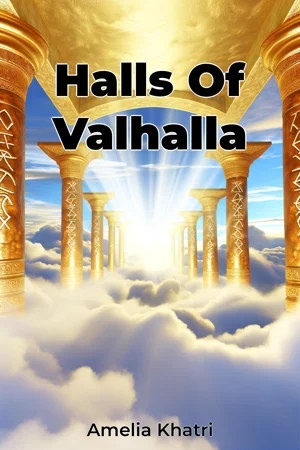
"Halls of Valhalla" explores the complex intersection of Viking spirituality, Norse mythology, and the cultural significance of Valhalla in both historical and religious contexts. The book examines how this celestial hall, believed to be ruled by Odin, shaped Viking society and continues to influence modern interpretations of Norse culture. Drawing from archaeological evidence, historical texts, and contemporary scholarly research, this work presents a thorough analysis of Viking spiritual practices and their connection to the concept of Valhalla. The book is structured around three primary themes: the historical development of Viking religious beliefs, the mythological framework of Valhalla, and the social implications of these beliefs on Viking society. The opening section establishes the historical context of Viking spirituality, utilizing archaeological findings from burial sites, runestones, and religious artifacts. This foundation helps readers understand the evolution of Norse religious practices from the late 8th to mid-11th centuries. The book incorporates recent discoveries from sites across Scandinavia, including evidence of ritual spaces and religious ceremonies. Central to the work is the detailed examination of Valhalla's role in Norse mythology. Through analysis of the Poetic Edda and Prose Edda, the book explores how Valhalla functioned as both a mythological place and a cultural concept. The text delves into the criteria for entering Valhalla, the role of Valkyries, and the significance of dying in battle within Viking society. The book makes connections between Viking spiritual beliefs and broader Indo-European religious traditions, demonstrating how Valhalla shares commonalities with other ancient afterlife concepts. This comparative analysis provides readers with a broader understanding of how religious ideas spread and evolved across cultures. Primary source materials, including skaldic poetry, saga literature, and contemporary Christian accounts, are extensively analyzed to present multiple perspectives on Viking spiritual practices. The work also incorporates findings from historical linguistics, comparing terms and concepts across Germanic languages to trace the development of religious ideas. The text addresses several ongoing scholarly debates, including the accuracy of medieval sources written by Christian authors and the extent to which modern interpretations of Valhalla align with historical Viking beliefs. It examines how archaeological evidence either supports or challenges traditional interpretations of written sources. The book maintains an academic tone while remaining accessible to general readers interested in Viking history, mythology, and religious studies. Technical terms are clearly defined, and complex concepts are explained through practical examples and historical contexts. Intended for both scholars and educated general readers, this work serves as a comprehensive resource for understanding the relationship between Viking spiritual beliefs and social practices. It is particularly relevant for students of religious studies, medieval history, and Norse mythology. The scope encompasses the Viking Age (793-1066 CE) but also examines how these concepts evolved in later medieval literature and modern interpretations. The book acknowledges limitations in available historical sources and addresses challenges in interpreting religious beliefs of past societies. This work contributes to current discussions about religious history, cultural memory, and the way societies construct ideas about the afterlife. It provides readers with tools to understand both historical Viking spirituality and its modern cultural legacy, while maintaining scholarly rigor and historical accuracy.
"Halls of Valhalla" explores the complex intersection of Viking spirituality, Norse mythology, and the cultural significance of Valhalla in both historical and religious contexts. The book examines how this celestial hall, believed to be ruled by Odin, shaped Viking society and continues to influence modern interpretations of Norse culture. Drawing from archaeological evidence, historical texts, and contemporary scholarly research, this work presents a thorough analysis of Viking spiritual practices and their connection to the concept of Valhalla. The book is structured around three primary themes: the historical development of Viking religious beliefs, the mythological framework of Valhalla, and the social implications of these beliefs on Viking society. The opening section establishes the historical context of Viking spirituality, utilizing archaeological findings from burial sites, runestones, and religious artifacts. This foundation helps readers understand the evolution of Norse religious practices from the late 8th to mid-11th centuries. The book incorporates recent discoveries from sites across Scandinavia, including evidence of ritual spaces and religious ceremonies. Central to the work is the detailed examination of Valhalla's role in Norse mythology. Through analysis of the Poetic Edda and Prose Edda, the book explores how Valhalla functioned as both a mythological place and a cultural concept. The text delves into the criteria for entering Valhalla, the role of Valkyries, and the significance of dying in battle within Viking society. The book makes connections between Viking spiritual beliefs and broader Indo-European religious traditions, demonstrating how Valhalla shares commonalities with other ancient afterlife concepts. This comparative analysis provides readers with a broader understanding of how religious ideas spread and evolved across cultures. Primary source materials, including skaldic poetry, saga literature, and contemporary Christian accounts, are extensively analyzed to present multiple perspectives on Viking spiritual practices. The work also incorporates findings from historical linguistics, comparing terms and concepts across Germanic languages to trace the development of religious ideas. The text addresses several ongoing scholarly debates, including the accuracy of medieval sources written by Christian authors and the extent to which modern interpretations of Valhalla align with historical Viking beliefs. It examines how archaeological evidence either supports or challenges traditional interpretations of written sources. The book maintains an academic tone while remaining accessible to general readers interested in Viking history, mythology, and religious studies. Technical terms are clearly defined, and complex concepts are explained through practical examples and historical contexts. Intended for both scholars and educated general readers, this work serves as a comprehensive resource for understanding the relationship between Viking spiritual beliefs and social practices. It is particularly relevant for students of religious studies, medieval history, and Norse mythology. The scope encompasses the Viking Age (793-1066 CE) but also examines how these concepts evolved in later medieval literature and modern interpretations. The book acknowledges limitations in available historical sources and addresses challenges in interpreting religious beliefs of past societies. This work contributes to current discussions about religious history, cultural memory, and the way societies construct ideas about the afterlife. It provides readers with tools to understand both historical Viking spirituality and its modern cultural legacy, while maintaining scholarly rigor and historical accuracy.
"Halls of Valhalla" presents a comprehensive exploration of Viking spirituality and the profound influence of Valhalla—Odin's celestial hall—on Norse culture and society. Through a masterful blend of archaeological evidence, historical texts, and contemporary research, the book illuminates how this mythological realm shaped both religious practices and social values during the Viking Age (793-1066 CE). The narrative unfolds across three main themes, beginning with the historical development of Viking religious beliefs, supported by fascinating archaeological discoveries from burial sites and runestones across Scandinavia. The book then delves into Valhalla's mythological framework, analyzing the Poetic and Prose Eddas to reveal intricate details about the afterlife beliefs, the role of Valkyries, and the cultural significance of a warrior's death in battle. This examination extends beyond Norse mythology to draw compelling parallels with other Indo-European religious traditions. What sets this work apart is its balanced approach to historical interpretation, incorporating multiple perspectives from skaldic poetry, saga literature, and Christian accounts while acknowledging the challenges in understanding ancient religious beliefs. The book maintains scholarly rigor while remaining accessible to general readers, making complex concepts relatable through practical examples and historical context. This careful balance makes it an invaluable resource for both academics and enthusiasts interested in Viking spirituality and its lasting cultural impact.
Book Details
ISBN
9788233935825
Publisher
Publifye AS
Your Licenses
You don't own any licenses for this book
Purchase a license below to unlock this book and download the EPUB.
Purchase License
Select a tier to unlock this book
Need bulk licensing?
Contact us for enterprise agreements.