
About This Book
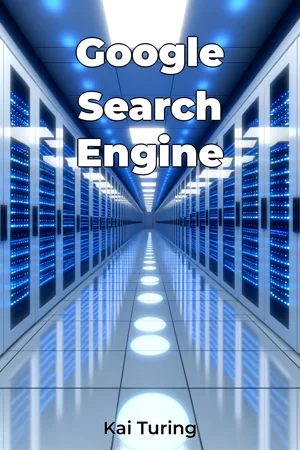
"Google Search Engine" explores the transformative impact of the world's most influential search technology, examining how this digital tool has fundamentally altered how humans access and interact with information. The book delves into three core aspects: the technical architecture behind Google's search algorithms, the evolution of search technology from 1998 to present day, and the societal implications of having instant access to vast amounts of information. These topics are crucial for understanding both the current digital landscape and future developments in information retrieval systems. The work provides essential historical context, beginning with early internet search engines like Archie and WebCrawler, through to Google's groundbreaking PageRank algorithm. Readers gain insights into the fundamental principles of information organization and retrieval, supported by clear technical explanations accessible to both technology professionals and general readers. The central thesis argues that Google Search represents more than just a technological advancement—it constitutes a paradigm shift in human knowledge access that has reshaped education, business, and daily decision-making processes. This argument is developed through carefully structured chapters that examine the technical, social, and economic dimensions of search technology. The content progresses from basic concepts to complex implications, covering: search algorithm fundamentals and evolution; Google's infrastructure and scaling solutions; and the impact on privacy, information accuracy, and digital literacy. The book incorporates extensive research from computer science, information theory, and behavioral studies, featuring data from Google's own technical papers, independent research institutions, and user behavior studies. Interdisciplinary connections link computer science with cognitive psychology, examining how search engines affect memory and learning patterns. The book also explores connections with economics, discussing how search technology has transformed digital marketing and business visibility. The work stands out through its comprehensive analysis of search technology's technical architecture while maintaining accessibility for non-technical readers. It employs a balanced, analytical tone, combining technical precision with clear explanations and real-world examples. Written for technology professionals, business leaders, and informed general readers, the book serves as both a technical reference and a guide to understanding search technology's broader implications. It adheres to technology writing conventions while avoiding excessive technical jargon. The scope encompasses Google Search's core technology, evolution, and impact, while acknowledging limitations in covering proprietary algorithms and rapid technological changes. Practical applications include guidance for search engine optimization, effective information retrieval techniques, and understanding search result reliability. The book addresses ongoing debates about search neutrality, filter bubbles, and the balance between personalization and privacy. It presents multiple perspectives on these issues, supported by current research and case studies. The work maintains objectivity while examining Google's market dominance, algorithm biases, and the future of search technology. It provides readers with tools to understand and critically evaluate their daily interactions with search technology, while offering insights into the future of information access and organization. This comprehensive exploration of Google Search combines technical depth with broader contextual understanding, making it relevant for anyone seeking to understand the technology that shapes modern information access and digital interaction.
"Google Search Engine" explores the transformative impact of the world's most influential search technology, examining how this digital tool has fundamentally altered how humans access and interact with information. The book delves into three core aspects: the technical architecture behind Google's search algorithms, the evolution of search technology from 1998 to present day, and the societal implications of having instant access to vast amounts of information. These topics are crucial for understanding both the current digital landscape and future developments in information retrieval systems. The work provides essential historical context, beginning with early internet search engines like Archie and WebCrawler, through to Google's groundbreaking PageRank algorithm. Readers gain insights into the fundamental principles of information organization and retrieval, supported by clear technical explanations accessible to both technology professionals and general readers. The central thesis argues that Google Search represents more than just a technological advancement—it constitutes a paradigm shift in human knowledge access that has reshaped education, business, and daily decision-making processes. This argument is developed through carefully structured chapters that examine the technical, social, and economic dimensions of search technology. The content progresses from basic concepts to complex implications, covering: search algorithm fundamentals and evolution; Google's infrastructure and scaling solutions; and the impact on privacy, information accuracy, and digital literacy. The book incorporates extensive research from computer science, information theory, and behavioral studies, featuring data from Google's own technical papers, independent research institutions, and user behavior studies. Interdisciplinary connections link computer science with cognitive psychology, examining how search engines affect memory and learning patterns. The book also explores connections with economics, discussing how search technology has transformed digital marketing and business visibility. The work stands out through its comprehensive analysis of search technology's technical architecture while maintaining accessibility for non-technical readers. It employs a balanced, analytical tone, combining technical precision with clear explanations and real-world examples. Written for technology professionals, business leaders, and informed general readers, the book serves as both a technical reference and a guide to understanding search technology's broader implications. It adheres to technology writing conventions while avoiding excessive technical jargon. The scope encompasses Google Search's core technology, evolution, and impact, while acknowledging limitations in covering proprietary algorithms and rapid technological changes. Practical applications include guidance for search engine optimization, effective information retrieval techniques, and understanding search result reliability. The book addresses ongoing debates about search neutrality, filter bubbles, and the balance between personalization and privacy. It presents multiple perspectives on these issues, supported by current research and case studies. The work maintains objectivity while examining Google's market dominance, algorithm biases, and the future of search technology. It provides readers with tools to understand and critically evaluate their daily interactions with search technology, while offering insights into the future of information access and organization. This comprehensive exploration of Google Search combines technical depth with broader contextual understanding, making it relevant for anyone seeking to understand the technology that shapes modern information access and digital interaction.
"Google Search Engine" offers a comprehensive exploration of how Google's revolutionary search technology has fundamentally transformed human interaction with information, from its humble beginnings in 1998 to its current status as the world's dominant search platform. The book masterfully balances technical insights about search algorithms and PageRank technology with broader discussions about the societal impact of instant information access, making complex concepts accessible to both technical and non-technical readers. Through carefully structured chapters, the book progresses from foundational concepts like early search engines and basic algorithm principles to more complex topics including Google's infrastructure, data privacy concerns, and the influence of search technology on human cognition and learning patterns. Notable insights include the evolution of Google's PageRank algorithm from its inception and how search technology has revolutionized digital marketing and business visibility in the modern era. What sets this book apart is its interdisciplinary approach, connecting computer science with cognitive psychology and economics while maintaining accessibility for general readers. The author examines crucial debates surrounding search neutrality and filter bubbles, supported by current research and real-world case studies. By exploring both technical architecture and societal implications, the book provides readers with a thorough understanding of how search technology shapes our digital interactions and what this means for the future of information access.
Book Details
ISBN
9788233935641
Publisher
Publifye AS
Your Licenses
You don't own any licenses for this book
Purchase a license below to unlock this book and download the EPUB.
Purchase License
Select a tier to unlock this book
Need bulk licensing?
Contact us for enterprise agreements.