
About This Book
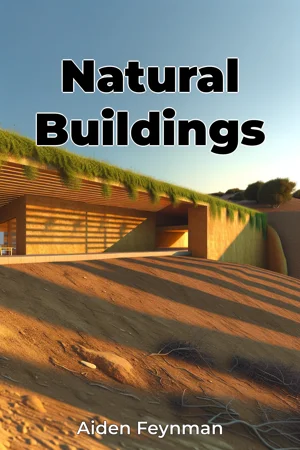
"Natural Buildings" explores the critical intersection of traditional construction methods and modern sustainable architecture, examining how natural materials can address both environmental challenges and human wellbeing in contemporary building practices. The book provides a comprehensive analysis of natural building materials and techniques, structured around three core themes: material science and properties, construction methodologies, and environmental impact assessment. These themes converge to demonstrate how natural materials offer viable alternatives to conventional construction materials while potentially reducing carbon footprints and improving indoor environmental quality. Historical context frames the discussion, tracing the evolution of natural building techniques from indigenous practices to their modern applications. The book examines how various cultures have utilized local materials like earth, timber, stone, and plant fibers, establishing a foundation for understanding their contemporary relevance. This background helps readers appreciate both the time-tested nature of these methods and their potential for modern adaptation. The central argument posits that natural building materials and methods represent not merely an alternative to conventional construction but a necessary evolution in building practice to address climate change, resource depletion, and human health concerns. This position is supported by extensive research data, including thermal performance studies, lifecycle assessments, and occupant health surveys. The content progresses logically through material properties and selection, structural considerations, construction techniques, and implementation strategies. Key chapters address soil composition for earth buildings, timber selection and treatment, natural insulation materials, and moisture management systems. The book culminates in case studies of successful natural building projects across various climates and contexts. Technical evidence is drawn from building science research, environmental impact studies, and documented project outcomes. The methodology combines laboratory testing data with field observations and post-occupancy evaluations, providing a robust framework for understanding performance characteristics. The work connects architecture with environmental science, materials engineering, and public health, demonstrating how natural building practices influence indoor air quality, occupant wellbeing, and ecosystem health. These interdisciplinary links strengthen the argument for natural building adoption. The book maintains an analytical, research-based tone while remaining accessible to both professionals and informed laypeople. Technical concepts are explained clearly, supported by illustrations, diagrams, and practical examples. This approach makes the content valuable for architects, builders, developers, and environmentally conscious homeowners. Particular attention is given to regulatory compliance and building code integration, addressing common concerns about natural building methods in modern contexts. The text acknowledges challenges in standardization and quality control while presenting solutions and best practices. Real-world applications are emphasized through detailed construction guidelines, material selection criteria, and maintenance protocols. These practical elements enable readers to implement natural building techniques in their own projects while understanding the scientific principles behind them. The scope encompasses both new construction and renovation projects, though it focuses primarily on residential and small-scale commercial applications. While the book addresses global building traditions, it emphasizes techniques applicable in temperate and Mediterranean climates. Current debates regarding building performance standards, certification systems, and code compliance are addressed objectively, presenting evidence-based arguments for natural building integration into mainstream construction practice. The text acknowledges both the potential and limitations of natural materials, providing a balanced perspective for informed decision-making in building design and construction.
"Natural Buildings" explores the critical intersection of traditional construction methods and modern sustainable architecture, examining how natural materials can address both environmental challenges and human wellbeing in contemporary building practices. The book provides a comprehensive analysis of natural building materials and techniques, structured around three core themes: material science and properties, construction methodologies, and environmental impact assessment. These themes converge to demonstrate how natural materials offer viable alternatives to conventional construction materials while potentially reducing carbon footprints and improving indoor environmental quality. Historical context frames the discussion, tracing the evolution of natural building techniques from indigenous practices to their modern applications. The book examines how various cultures have utilized local materials like earth, timber, stone, and plant fibers, establishing a foundation for understanding their contemporary relevance. This background helps readers appreciate both the time-tested nature of these methods and their potential for modern adaptation. The central argument posits that natural building materials and methods represent not merely an alternative to conventional construction but a necessary evolution in building practice to address climate change, resource depletion, and human health concerns. This position is supported by extensive research data, including thermal performance studies, lifecycle assessments, and occupant health surveys. The content progresses logically through material properties and selection, structural considerations, construction techniques, and implementation strategies. Key chapters address soil composition for earth buildings, timber selection and treatment, natural insulation materials, and moisture management systems. The book culminates in case studies of successful natural building projects across various climates and contexts. Technical evidence is drawn from building science research, environmental impact studies, and documented project outcomes. The methodology combines laboratory testing data with field observations and post-occupancy evaluations, providing a robust framework for understanding performance characteristics. The work connects architecture with environmental science, materials engineering, and public health, demonstrating how natural building practices influence indoor air quality, occupant wellbeing, and ecosystem health. These interdisciplinary links strengthen the argument for natural building adoption. The book maintains an analytical, research-based tone while remaining accessible to both professionals and informed laypeople. Technical concepts are explained clearly, supported by illustrations, diagrams, and practical examples. This approach makes the content valuable for architects, builders, developers, and environmentally conscious homeowners. Particular attention is given to regulatory compliance and building code integration, addressing common concerns about natural building methods in modern contexts. The text acknowledges challenges in standardization and quality control while presenting solutions and best practices. Real-world applications are emphasized through detailed construction guidelines, material selection criteria, and maintenance protocols. These practical elements enable readers to implement natural building techniques in their own projects while understanding the scientific principles behind them. The scope encompasses both new construction and renovation projects, though it focuses primarily on residential and small-scale commercial applications. While the book addresses global building traditions, it emphasizes techniques applicable in temperate and Mediterranean climates. Current debates regarding building performance standards, certification systems, and code compliance are addressed objectively, presenting evidence-based arguments for natural building integration into mainstream construction practice. The text acknowledges both the potential and limitations of natural materials, providing a balanced perspective for informed decision-making in building design and construction.
"Natural Buildings" presents a compelling exploration of how traditional building methods and natural materials can address modern construction challenges while promoting environmental sustainability and human health. The book expertly bridges the gap between ancient wisdom and contemporary architectural needs, examining diverse materials like earth, timber, stone, and plant fibers through the lens of modern building science and environmental impact assessment. Through a systematic approach, the text progresses from fundamental material properties to practical construction techniques, grounding each discussion in solid research data and real-world applications. Readers encounter fascinating insights into how different cultures have historically utilized local materials, alongside detailed analyses of their thermal performance and lifecycle assessments. The book's unique strength lies in its ability to combine technical rigor with accessibility, making complex building science concepts understandable for both professionals and informed homeowners. The work stands out for its comprehensive treatment of natural building implementation, addressing crucial aspects like regulatory compliance, maintenance protocols, and climate-specific adaptations. By presenting detailed case studies and construction guidelines, it demonstrates how natural building methods can be successfully integrated into contemporary architecture while meeting modern performance standards. This practical focus, combined with extensive research data and interdisciplinary connections, makes it an invaluable resource for anyone interested in sustainable construction practices.
Book Details
ISBN
9788233935603
Publisher
Publifye AS
Your Licenses
You don't own any licenses for this book
Purchase a license below to unlock this book and download the EPUB.
Purchase License
Select a tier to unlock this book
Need bulk licensing?
Contact us for enterprise agreements.