
About This Book
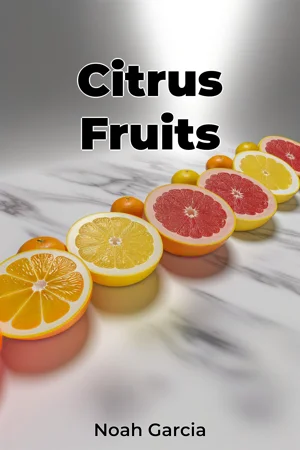
"Citrus Fruits" unveils the intricate world of one of humanity's most versatile botanical families, exploring their scientific significance, culinary applications, and industrial uses across multiple sectors. From ancient Asian origins to modern global cultivation, this comprehensive guide illuminates the multifaceted role of citrus in human civilization. The book begins by examining the botanical characteristics that make citrus fruits unique, including their distinctive oil-filled rind structures and high vitamin C content. Through detailed scientific analysis, readers learn how these characteristics have shaped both human nutrition and industrial applications throughout history. Divided into three major sections, the book first covers the biological and agricultural aspects of citrus fruits, including cultivation methods, species diversity, and genetic developments. The second section delves into culinary applications, presenting traditional and modern cooking techniques, preservation methods, and flavor principles. The final section explores industrial uses, from essential oils to cleaning products, demonstrating the fruits' significance beyond the kitchen. Scientific evidence draws from agricultural research, biochemical studies, and historical documentation to support the book's central thesis: that citrus fruits represent one of the most economically and culturally important plant families in human society. Contemporary research from leading citrus-producing regions provides current data on production methods, pest management, and sustainability practices. The work bridges multiple disciplines, connecting agriculture with chemistry, culinary arts with industrial manufacturing, and environmental science with economic development. This interdisciplinary approach provides readers with a complete understanding of citrus fruits' impact on global commerce and daily life. Practical applications form a core component, offering readers detailed guidance on selection, storage, and usage of citrus fruits. Home gardeners will find specific instructions for growing citrus plants, while cooking enthusiasts receive precise techniques for extracting maximum flavor and nutritional benefits. The book addresses current challenges in citrus production, including disease resistance, climate change adaptation, and sustainable farming practices. It examines ongoing debates about organic versus conventional growing methods and the impact of monoculture farming on biodiversity. Written in a clear, methodical style, the text balances technical information with accessible explanations, making it valuable for both agricultural professionals and home enthusiasts. Each chapter includes detailed illustrations, tables, and charts to support key concepts. The target audience encompasses food professionals, agricultural specialists, home gardeners, and culinary enthusiasts seeking comprehensive knowledge about citrus fruits. The content serves both as a practical guide and an authoritative reference, offering value to readers at various expertise levels. The book maintains scientific accuracy while providing practical applications, making complex botanical and chemical concepts accessible to general readers. It avoids sensationalism in favor of factual presentation, supported by current research and established agricultural practices. Limitations are clearly defined, focusing specifically on commercially significant citrus varieties rather than attempting to cover all citrus species. The scope emphasizes practical applications and current cultivation methods, rather than exhaustive historical documentation. This work stands out through its integration of scientific research with practical applications, offering readers both theoretical understanding and actionable knowledge about one of agriculture's most significant plant families.
"Citrus Fruits" unveils the intricate world of one of humanity's most versatile botanical families, exploring their scientific significance, culinary applications, and industrial uses across multiple sectors. From ancient Asian origins to modern global cultivation, this comprehensive guide illuminates the multifaceted role of citrus in human civilization. The book begins by examining the botanical characteristics that make citrus fruits unique, including their distinctive oil-filled rind structures and high vitamin C content. Through detailed scientific analysis, readers learn how these characteristics have shaped both human nutrition and industrial applications throughout history. Divided into three major sections, the book first covers the biological and agricultural aspects of citrus fruits, including cultivation methods, species diversity, and genetic developments. The second section delves into culinary applications, presenting traditional and modern cooking techniques, preservation methods, and flavor principles. The final section explores industrial uses, from essential oils to cleaning products, demonstrating the fruits' significance beyond the kitchen. Scientific evidence draws from agricultural research, biochemical studies, and historical documentation to support the book's central thesis: that citrus fruits represent one of the most economically and culturally important plant families in human society. Contemporary research from leading citrus-producing regions provides current data on production methods, pest management, and sustainability practices. The work bridges multiple disciplines, connecting agriculture with chemistry, culinary arts with industrial manufacturing, and environmental science with economic development. This interdisciplinary approach provides readers with a complete understanding of citrus fruits' impact on global commerce and daily life. Practical applications form a core component, offering readers detailed guidance on selection, storage, and usage of citrus fruits. Home gardeners will find specific instructions for growing citrus plants, while cooking enthusiasts receive precise techniques for extracting maximum flavor and nutritional benefits. The book addresses current challenges in citrus production, including disease resistance, climate change adaptation, and sustainable farming practices. It examines ongoing debates about organic versus conventional growing methods and the impact of monoculture farming on biodiversity. Written in a clear, methodical style, the text balances technical information with accessible explanations, making it valuable for both agricultural professionals and home enthusiasts. Each chapter includes detailed illustrations, tables, and charts to support key concepts. The target audience encompasses food professionals, agricultural specialists, home gardeners, and culinary enthusiasts seeking comprehensive knowledge about citrus fruits. The content serves both as a practical guide and an authoritative reference, offering value to readers at various expertise levels. The book maintains scientific accuracy while providing practical applications, making complex botanical and chemical concepts accessible to general readers. It avoids sensationalism in favor of factual presentation, supported by current research and established agricultural practices. Limitations are clearly defined, focusing specifically on commercially significant citrus varieties rather than attempting to cover all citrus species. The scope emphasizes practical applications and current cultivation methods, rather than exhaustive historical documentation. This work stands out through its integration of scientific research with practical applications, offering readers both theoretical understanding and actionable knowledge about one of agriculture's most significant plant families.
"Citrus Fruits" presents a comprehensive exploration of these remarkable fruits, from their ancient Asian origins to their modern global significance in agriculture, cuisine, and industry. This multifaceted guide examines the unique botanical characteristics that make citrus fruits extraordinary, particularly their oil-rich rinds and high vitamin C content, while demonstrating their vast influence on human civilization and commerce. The book progresses systematically through three main sections, beginning with the biological and agricultural aspects of citrus cultivation, including detailed insights into species diversity and genetic developments. It then transitions into practical culinary applications, offering both traditional and contemporary cooking techniques, before culminating in an extensive examination of industrial uses, from essential oils to cleaning products. Throughout, readers discover fascinating details about sustainable farming practices, disease resistance strategies, and the ongoing challenges faced by modern citrus producers. Written in an accessible yet authoritative style, this work bridges multiple disciplines while maintaining practical relevance for various readers, from agricultural professionals to home gardeners. The book's unique strength lies in its ability to connect scientific principles with everyday applications, supported by current research from leading citrus-producing regions. Whether explaining complex botanical concepts or providing specific guidance on fruit selection and storage, the content remains engaging and practically applicable while maintaining scientific accuracy.
Book Details
ISBN
9788233935542
Publisher
Publifye AS
Your Licenses
You don't own any licenses for this book
Purchase a license below to unlock this book and download the EPUB.
Purchase License
Select a tier to unlock this book
Need bulk licensing?
Contact us for enterprise agreements.