
About This Book
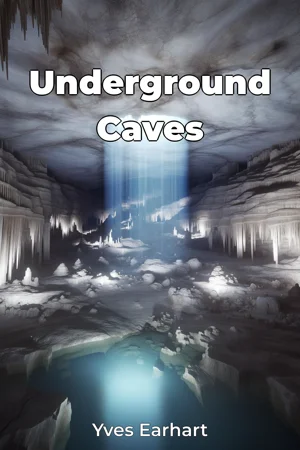
"Underground Caves" delves into the profound relationship between humans and subterranean spaces, examining how these natural formations have shaped our understanding of Earth's geology, human history, and scientific discovery. From the earliest prehistoric shelters to modern-day scientific expeditions, caves have served as windows into our planet's past and laboratories for future discoveries. The book presents three primary themes: the geological processes that create and modify cave systems, the global distribution and unique characteristics of notable cave networks, and the human connection to underground exploration. These themes interweave to demonstrate how caves function as both natural archives of Earth's history and catalysts for scientific advancement. Starting with fundamental speleology principles, the text examines the formation processes of different cave types, including solution caves, lava tubes, and ice caves. Detailed analyses of mineral deposits, rock strata, and cave features provide readers with tools to understand these complex underground systems. The book incorporates recent research from international speleological surveys, providing current data on newly discovered cave systems and their characteristics. The global survey section maps significant cave networks across continents, highlighting unique features such as the extensive passages of Mammoth Cave in Kentucky, the crystal formations in Mexico's Cave of Crystals, and the ancient human artifacts found in France's Lascaux Cave. Each case study examines geological composition, environmental conditions, and scientific significance. Central to the book's thesis is the role of caves in advancing multiple scientific disciplines. Cave research has contributed to developments in geology, hydrology, biology, and archaeology. The text demonstrates how cave studies have led to breakthroughs in understanding groundwater systems, discovering new species, and documenting human evolution. The research presentation combines geological surveys, archaeological findings, and biological studies. Technical data is supported by mapping technologies, chemical analysis of cave deposits, and documented species inventories. Modern exploration techniques, including 3D scanning and remote sensing, reveal how technology enhances our understanding of these underground spaces. The book connects to various scientific fields, including climate science, where cave formations serve as climate records, and microbiology, where cave ecosystems harbor unique life forms. These connections demonstrate caves' significance beyond basic geological interest. Written in an analytical style that balances technical information with accessible explanations, the text serves both academic readers and informed enthusiasts. Each chapter builds upon previous concepts while maintaining focus on practical applications for cave conservation and research. The target audience includes Earth science students, environmental researchers, and individuals involved in cave conservation or exploration. The book provides valuable insights for those interested in geology, ecology, or natural history. Within the Earth Sciences genre, the book adheres to scientific methodology while incorporating elements of geographical analysis and ecosystem study. It maintains objective discussion of current debates in cave dating methods and conservation approaches. The scope encompasses both well-known and recently discovered cave systems, though it acknowledges that many caves remain unexplored or undocumented. The text addresses current challenges in cave preservation and the impact of climate change on cave ecosystems. The book concludes by examining the future of cave research, including potential discoveries in medicine, climate science, and astrobiology. It emphasizes the continued importance of caves as scientific resources and natural laboratories for understanding Earth's processes and history.
"Underground Caves" delves into the profound relationship between humans and subterranean spaces, examining how these natural formations have shaped our understanding of Earth's geology, human history, and scientific discovery. From the earliest prehistoric shelters to modern-day scientific expeditions, caves have served as windows into our planet's past and laboratories for future discoveries. The book presents three primary themes: the geological processes that create and modify cave systems, the global distribution and unique characteristics of notable cave networks, and the human connection to underground exploration. These themes interweave to demonstrate how caves function as both natural archives of Earth's history and catalysts for scientific advancement. Starting with fundamental speleology principles, the text examines the formation processes of different cave types, including solution caves, lava tubes, and ice caves. Detailed analyses of mineral deposits, rock strata, and cave features provide readers with tools to understand these complex underground systems. The book incorporates recent research from international speleological surveys, providing current data on newly discovered cave systems and their characteristics. The global survey section maps significant cave networks across continents, highlighting unique features such as the extensive passages of Mammoth Cave in Kentucky, the crystal formations in Mexico's Cave of Crystals, and the ancient human artifacts found in France's Lascaux Cave. Each case study examines geological composition, environmental conditions, and scientific significance. Central to the book's thesis is the role of caves in advancing multiple scientific disciplines. Cave research has contributed to developments in geology, hydrology, biology, and archaeology. The text demonstrates how cave studies have led to breakthroughs in understanding groundwater systems, discovering new species, and documenting human evolution. The research presentation combines geological surveys, archaeological findings, and biological studies. Technical data is supported by mapping technologies, chemical analysis of cave deposits, and documented species inventories. Modern exploration techniques, including 3D scanning and remote sensing, reveal how technology enhances our understanding of these underground spaces. The book connects to various scientific fields, including climate science, where cave formations serve as climate records, and microbiology, where cave ecosystems harbor unique life forms. These connections demonstrate caves' significance beyond basic geological interest. Written in an analytical style that balances technical information with accessible explanations, the text serves both academic readers and informed enthusiasts. Each chapter builds upon previous concepts while maintaining focus on practical applications for cave conservation and research. The target audience includes Earth science students, environmental researchers, and individuals involved in cave conservation or exploration. The book provides valuable insights for those interested in geology, ecology, or natural history. Within the Earth Sciences genre, the book adheres to scientific methodology while incorporating elements of geographical analysis and ecosystem study. It maintains objective discussion of current debates in cave dating methods and conservation approaches. The scope encompasses both well-known and recently discovered cave systems, though it acknowledges that many caves remain unexplored or undocumented. The text addresses current challenges in cave preservation and the impact of climate change on cave ecosystems. The book concludes by examining the future of cave research, including potential discoveries in medicine, climate science, and astrobiology. It emphasizes the continued importance of caves as scientific resources and natural laboratories for understanding Earth's processes and history.
"Underground Caves" presents a comprehensive exploration of Earth's subterranean world, weaving together the fascinating intersection of geology, human history, and scientific discovery. The book masterfully examines how these natural formations serve dual roles as both time capsules of Earth's past and laboratories for cutting-edge research, offering readers a unique perspective on the hidden world beneath our feet. Through systematic investigation, the text guides readers from basic speleology principles to complex cave formation processes, including solution caves, lava tubes, and ice caves. Notable examples, such as Kentucky's Mammoth Cave and Mexico's Cave of Crystals, illustrate the diverse characteristics of global cave systems. The book's approach is particularly valuable in demonstrating how cave research has contributed to multiple scientific fields, from groundwater system understanding to archaeological discoveries of human evolution. The narrative progresses logically from fundamental concepts to advanced applications, incorporating modern exploration techniques like 3D scanning and remote sensing. What sets this book apart is its balanced treatment of technical content and accessibility, making it valuable for both academic readers and passionate enthusiasts. By connecting cave science to broader issues like climate change and ecosystem conservation, the book demonstrates why underground caves remain critical to our understanding of Earth's processes and potential future discoveries in fields ranging from medicine to astrobiology.
Book Details
ISBN
9788233935382
Publisher
Publifye AS
Your Licenses
You don't own any licenses for this book
Purchase a license below to unlock this book and download the EPUB.
Purchase License
Select a tier to unlock this book
Need bulk licensing?
Contact us for enterprise agreements.