
About This Book
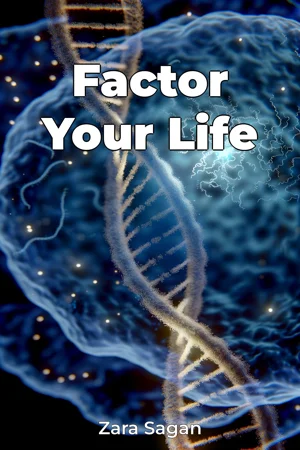
"Factor Your Life" challenges readers with a fundamental question that has intrigued scientists and philosophers for centuries: How can we systematically understand and define life itself? This comprehensive exploration bridges the gap between biological science and philosophical inquiry, offering a fresh analytical framework for understanding living systems. The book introduces three core concepts: the quantifiable factors of life, the universal patterns that connect all living systems, and the practical applications of these insights to human existence. These elements are examined through both microscopic and macroscopic lenses, from cellular behavior to ecosystem dynamics. Drawing from recent advances in systems biology and complexity science, the work establishes its foundation on empirical research from leading institutions, including data from long-term evolutionary studies and contemporary biochemical analysis. The author presents a novel "Factor Framework" that breaks down life's essential components into measurable, interrelated elements. The book's structure progresses through three major sections. The first examines the historical context of life science, from early philosophical debates to modern molecular biology. The second section introduces the Factor Framework, presenting detailed analysis of life's core characteristics: metabolism, reproduction, adaptation, and consciousness. The final section applies these principles to practical challenges in medicine, ecology, and human development. Research support comes from multiple disciplines, incorporating peer-reviewed studies in molecular biology, evolutionary science, and systems theory. The author utilizes data visualization and case studies to illustrate complex concepts, making them accessible to readers from varied backgrounds. The work creates meaningful connections between biology, physics, and information theory, demonstrating how life's principles manifest across different scales and systems. This interdisciplinary approach reveals patterns that link molecular processes to ecosystem dynamics, offering insights into both natural systems and human organizations. Written in a methodical, clear style that balances technical accuracy with accessibility, the book maintains an academic foundation while engaging readers through practical examples and applications. The target audience includes scientists, educators, medical professionals, and informed readers interested in understanding life's fundamental nature. The book addresses current debates in origin-of-life research, consciousness studies, and artificial life, presenting balanced perspectives on these controversial topics. It examines how our understanding of life influences approaches to healthcare, environmental conservation, and technological development. Practical applications extend to fields such as biotechnology, environmental management, and healthcare, providing readers with tools to apply these concepts in professional contexts. The work acknowledges current limitations in our understanding of life while presenting a structured approach for continued investigation. The scope encompasses both theoretical foundations and practical implementations, though it primarily focuses on earth-based life forms and systems. The author maintains a measured approach to speculation about extraterrestrial life while establishing principles that could apply beyond our planet. This work contributes to both science and philosophy by providing a systematic method for analyzing and understanding life's components, offering readers a toolkit for examining living systems at any scale. It serves as both a theoretical framework and a practical guide for professionals working in life sciences, healthcare, and related fields.
"Factor Your Life" challenges readers with a fundamental question that has intrigued scientists and philosophers for centuries: How can we systematically understand and define life itself? This comprehensive exploration bridges the gap between biological science and philosophical inquiry, offering a fresh analytical framework for understanding living systems. The book introduces three core concepts: the quantifiable factors of life, the universal patterns that connect all living systems, and the practical applications of these insights to human existence. These elements are examined through both microscopic and macroscopic lenses, from cellular behavior to ecosystem dynamics. Drawing from recent advances in systems biology and complexity science, the work establishes its foundation on empirical research from leading institutions, including data from long-term evolutionary studies and contemporary biochemical analysis. The author presents a novel "Factor Framework" that breaks down life's essential components into measurable, interrelated elements. The book's structure progresses through three major sections. The first examines the historical context of life science, from early philosophical debates to modern molecular biology. The second section introduces the Factor Framework, presenting detailed analysis of life's core characteristics: metabolism, reproduction, adaptation, and consciousness. The final section applies these principles to practical challenges in medicine, ecology, and human development. Research support comes from multiple disciplines, incorporating peer-reviewed studies in molecular biology, evolutionary science, and systems theory. The author utilizes data visualization and case studies to illustrate complex concepts, making them accessible to readers from varied backgrounds. The work creates meaningful connections between biology, physics, and information theory, demonstrating how life's principles manifest across different scales and systems. This interdisciplinary approach reveals patterns that link molecular processes to ecosystem dynamics, offering insights into both natural systems and human organizations. Written in a methodical, clear style that balances technical accuracy with accessibility, the book maintains an academic foundation while engaging readers through practical examples and applications. The target audience includes scientists, educators, medical professionals, and informed readers interested in understanding life's fundamental nature. The book addresses current debates in origin-of-life research, consciousness studies, and artificial life, presenting balanced perspectives on these controversial topics. It examines how our understanding of life influences approaches to healthcare, environmental conservation, and technological development. Practical applications extend to fields such as biotechnology, environmental management, and healthcare, providing readers with tools to apply these concepts in professional contexts. The work acknowledges current limitations in our understanding of life while presenting a structured approach for continued investigation. The scope encompasses both theoretical foundations and practical implementations, though it primarily focuses on earth-based life forms and systems. The author maintains a measured approach to speculation about extraterrestrial life while establishing principles that could apply beyond our planet. This work contributes to both science and philosophy by providing a systematic method for analyzing and understanding life's components, offering readers a toolkit for examining living systems at any scale. It serves as both a theoretical framework and a practical guide for professionals working in life sciences, healthcare, and related fields.
"Factor Your Life" presents a groundbreaking exploration of life's fundamental nature through an innovative analytical framework that bridges biological science and philosophical inquiry. The book introduces the "Factor Framework," a systematic approach to understanding living systems by breaking down their essential components into measurable, interrelated elements, from cellular processes to ecosystem dynamics. The work progresses through three key sections, beginning with historical perspectives on life science, moving to a detailed analysis of core life characteristics (metabolism, reproduction, adaptation, and consciousness), and concluding with practical applications in medicine and ecology. Drawing from systems biology and complexity science, the author weaves together empirical research from multiple disciplines, using data visualization and case studies to make complex concepts accessible to readers from varied backgrounds. What sets this book apart is its interdisciplinary approach to connecting biological principles across different scales, from molecular processes to ecosystem dynamics. By integrating insights from molecular biology, evolutionary science, and systems theory, it offers practical applications for professionals in healthcare, environmental management, and biotechnology. The author maintains a balanced approach between technical accuracy and accessibility, making it valuable for both scientists and informed general readers interested in understanding life's fundamental nature and its practical implications.
Book Details
ISBN
9788233935214
Publisher
Publifye AS
Your Licenses
You don't own any licenses for this book
Purchase a license below to unlock this book and download the EPUB.
Purchase License
Select a tier to unlock this book
Need bulk licensing?
Contact us for enterprise agreements.