
About This Book
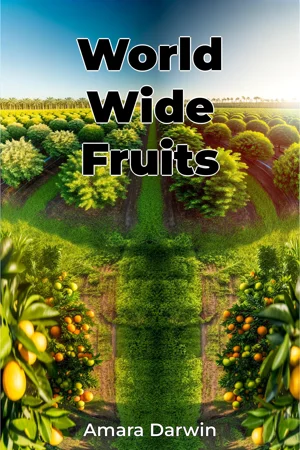
"World Wide Fruits" presents a comprehensive exploration of global fruit diversity, cultivation practices, and the intricate relationships between fruits, human civilization, and ecological systems. From ancient agricultural practices to modern farming technologies, this book examines how fruits have shaped human nutrition, economy, and cultural development across continents. The book begins by addressing a fundamental question: How have fruits evolved alongside human civilization to become essential components of global agriculture and diet? This investigation spans six continents and thousands of years of agricultural history, offering readers a thorough understanding of fruit cultivation's past, present, and future. Three primary themes guide the narrative: the biological diversity of fruit species and their adaptations, the science of cultivation and agricultural practices, and the global economic and cultural impact of fruit production. The text systematically examines major fruit families, from common varieties like apples and citrus to lesser-known tropical species, providing detailed analyses of their genetic makeup, growth requirements, and nutritional profiles. The work is structured in three main sections. The first explores the biological foundations of fruit development, including pollination, ripening processes, and genetic diversity. The second section details cultivation techniques across different climatic zones, incorporating both traditional methods and modern agricultural technologies. The final section examines the global fruit trade, sustainable farming practices, and future challenges in fruit production. Research presented draws from agricultural databases, botanical studies, and field research across multiple continents. The book incorporates findings from leading agricultural research institutions and includes case studies of successful fruit cultivation projects worldwide. Statistical data on global production, trade patterns, and consumption supplements the scientific content. Interdisciplinary connections link agricultural science with climate studies, economics, and cultural anthropology. The text examines how changing climate patterns affect fruit cultivation zones and discusses the economic implications of shifting production capabilities. Traditional knowledge systems and their role in sustainable fruit cultivation receive particular attention. The material is presented in an academic yet accessible format, utilizing clear explanations of complex concepts without oversimplifying the science. Technical terms are carefully defined, making the content appropriate for both agricultural students and interested general readers. This book serves multiple audiences: agricultural professionals seeking comprehensive reference material, students of botany and agriculture, and individuals interested in fruit cultivation or global food systems. The practical applications range from large-scale farming operations to backyard gardening techniques. The scope encompasses both commercial and indigenous fruit varieties, though it focuses primarily on species with significant agricultural or economic impact. While the book addresses genetic modification and breeding programs, it maintains an objective stance on controversial agricultural practices. Each chapter includes practical applications, from soil preparation techniques to harvest timing indicators. Detailed illustrations and maps support the text, showing growing regions, plant structures, and cultivation methods. The work also addresses current challenges in fruit production, including disease resistance, climate adaptation, and sustainable farming practices. The book connects to broader discussions about food security, biodiversity conservation, and sustainable agriculture. It examines how traditional knowledge combines with modern science to address contemporary challenges in fruit production and distribution. This systematic approach to understanding global fruit cultivation provides readers with both theoretical knowledge and practical insights, making it a valuable resource for anyone interested in agriculture, botany, or food systems.
"World Wide Fruits" presents a comprehensive exploration of global fruit diversity, cultivation practices, and the intricate relationships between fruits, human civilization, and ecological systems. From ancient agricultural practices to modern farming technologies, this book examines how fruits have shaped human nutrition, economy, and cultural development across continents. The book begins by addressing a fundamental question: How have fruits evolved alongside human civilization to become essential components of global agriculture and diet? This investigation spans six continents and thousands of years of agricultural history, offering readers a thorough understanding of fruit cultivation's past, present, and future. Three primary themes guide the narrative: the biological diversity of fruit species and their adaptations, the science of cultivation and agricultural practices, and the global economic and cultural impact of fruit production. The text systematically examines major fruit families, from common varieties like apples and citrus to lesser-known tropical species, providing detailed analyses of their genetic makeup, growth requirements, and nutritional profiles. The work is structured in three main sections. The first explores the biological foundations of fruit development, including pollination, ripening processes, and genetic diversity. The second section details cultivation techniques across different climatic zones, incorporating both traditional methods and modern agricultural technologies. The final section examines the global fruit trade, sustainable farming practices, and future challenges in fruit production. Research presented draws from agricultural databases, botanical studies, and field research across multiple continents. The book incorporates findings from leading agricultural research institutions and includes case studies of successful fruit cultivation projects worldwide. Statistical data on global production, trade patterns, and consumption supplements the scientific content. Interdisciplinary connections link agricultural science with climate studies, economics, and cultural anthropology. The text examines how changing climate patterns affect fruit cultivation zones and discusses the economic implications of shifting production capabilities. Traditional knowledge systems and their role in sustainable fruit cultivation receive particular attention. The material is presented in an academic yet accessible format, utilizing clear explanations of complex concepts without oversimplifying the science. Technical terms are carefully defined, making the content appropriate for both agricultural students and interested general readers. This book serves multiple audiences: agricultural professionals seeking comprehensive reference material, students of botany and agriculture, and individuals interested in fruit cultivation or global food systems. The practical applications range from large-scale farming operations to backyard gardening techniques. The scope encompasses both commercial and indigenous fruit varieties, though it focuses primarily on species with significant agricultural or economic impact. While the book addresses genetic modification and breeding programs, it maintains an objective stance on controversial agricultural practices. Each chapter includes practical applications, from soil preparation techniques to harvest timing indicators. Detailed illustrations and maps support the text, showing growing regions, plant structures, and cultivation methods. The work also addresses current challenges in fruit production, including disease resistance, climate adaptation, and sustainable farming practices. The book connects to broader discussions about food security, biodiversity conservation, and sustainable agriculture. It examines how traditional knowledge combines with modern science to address contemporary challenges in fruit production and distribution. This systematic approach to understanding global fruit cultivation provides readers with both theoretical knowledge and practical insights, making it a valuable resource for anyone interested in agriculture, botany, or food systems.
"World Wide Fruits" presents a fascinating journey through the global landscape of fruit cultivation, exploring how these essential crops have shaped human civilization while examining their biological diversity and agricultural significance. The book masterfully weaves together three interconnected narratives: the remarkable diversity of fruit species, the science behind their cultivation, and their profound impact on global economics and culture. Through a careful examination of both common and exotic varieties, readers gain insight into how fruits have evolved alongside human agricultural practices across six continents. The book's structure thoughtfully progresses from biological foundations to practical applications, beginning with the fundamentals of fruit development and genetics before expanding into worldwide cultivation techniques. Particularly compelling is its exploration of how traditional farming methods coexist with modern agricultural technologies, illustrated through real-world case studies from diverse climatic zones. The text addresses critical contemporary challenges in fruit production, including climate change adaptation and sustainable farming practices, while maintaining accessibility for both agricultural professionals and enthusiastic gardeners. What sets this comprehensive work apart is its interdisciplinary approach, connecting agricultural science with cultural anthropology, economics, and environmental studies. By incorporating research from leading agricultural institutions and examining both commercial and indigenous varieties, the book offers readers a unique perspective on global food systems and biodiversity conservation. The inclusion of practical applications, from soil preparation to harvest timing, makes this an invaluable resource for anyone interested in understanding the complex world of fruit cultivation and its role in sustainable agriculture.
Book Details
ISBN
9788233935085
Publisher
Publifye AS
Your Licenses
You don't own any licenses for this book
Purchase a license below to unlock this book and download the EPUB.
Purchase License
Select a tier to unlock this book
Need bulk licensing?
Contact us for enterprise agreements.