
About This Book
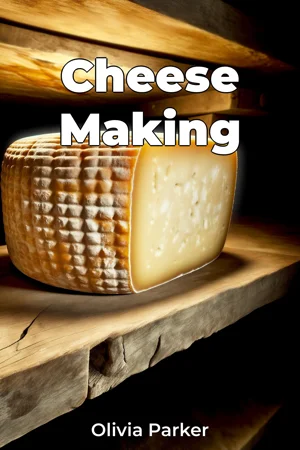
"Cheese Making" explores the intricate science, cultural heritage, and artisanal craft behind one of humanity's most versatile foods. From ancient preservation techniques to modern industrial processes, this comprehensive guide examines how different societies have developed unique approaches to transforming milk into cheese. The book is structured in three main sections: the fundamental chemistry of cheese making, regional cheese-making traditions, and the global cheese industry. It begins by explaining the basic chemical processes of curdling, including the role of enzymes, bacteria, and environmental conditions in creating different cheese varieties. This scientific foundation helps readers understand why specific techniques yield particular results. The central thesis argues that cheese making represents a perfect intersection of science, culture, and craftsmanship, with each element being equally crucial to the final product. This perspective is supported by extensive research from dairy science laboratories, historical records, and interviews with master cheese makers from various regions. Readers journey through the world's primary cheese-producing regions, with detailed focus on France, Italy, Switzerland, and the Netherlands. Each country's signature cheeses are examined through the lens of local climate, available ingredients, and cultural practices that have shaped their development. The book explains how Alpine conditions led to the creation of hard mountain cheeses like Gruyère, while the humid caves of Roquefort proved ideal for blue cheese cultivation. The text incorporates food science, microbiology, and cultural anthropology to provide a complete understanding of cheese making. It features detailed diagrams of molecular structures, temperature charts, and pH levels essential for different cheese varieties, while also including historical photographs and regional maps showing cheese-making centers. Written in a clear, instructional style, the book balances technical information with practical guidance. It serves both as an academic resource and a hands-on manual, including step-by-step instructions for making several basic cheese varieties at home. The content is accessible to beginners while providing sufficient depth for experienced cheese makers. The target audience includes culinary students, food science professionals, artisanal cheese makers, and serious home cooks. The book addresses current debates in the industry, such as raw milk cheese regulations and the impact of industrialization on traditional cheese-making methods. Research is drawn from multiple sources, including dairy science journals, historical documents, and field studies of traditional cheese-making communities. The author conducted extensive interviews with cheese makers across four continents, documenting both ancient techniques and modern innovations. The book acknowledges current challenges facing traditional cheese making, including climate change affecting milk production, changing consumer preferences, and regulatory pressures. It examines how these factors influence both industrial and artisanal producers, offering insights into potential future developments in the field. Special attention is given to the role of terroir in cheese making, explaining how local environments influence milk composition and cheese characteristics. The book also explores the economic importance of protected geographical indications and their role in preserving traditional cheese-making methods. Each chapter includes detailed references, recommended readings, and practical exercises for readers interested in cheese making. The work concludes with a discussion of sustainability in modern cheese production and the balance between maintaining traditions and embracing new technologies. This comprehensive examination of cheese making combines technical expertise with cultural insight, providing readers with both theoretical knowledge and practical skills while maintaining scientific accuracy and cultural authenticity.
"Cheese Making" explores the intricate science, cultural heritage, and artisanal craft behind one of humanity's most versatile foods. From ancient preservation techniques to modern industrial processes, this comprehensive guide examines how different societies have developed unique approaches to transforming milk into cheese. The book is structured in three main sections: the fundamental chemistry of cheese making, regional cheese-making traditions, and the global cheese industry. It begins by explaining the basic chemical processes of curdling, including the role of enzymes, bacteria, and environmental conditions in creating different cheese varieties. This scientific foundation helps readers understand why specific techniques yield particular results. The central thesis argues that cheese making represents a perfect intersection of science, culture, and craftsmanship, with each element being equally crucial to the final product. This perspective is supported by extensive research from dairy science laboratories, historical records, and interviews with master cheese makers from various regions. Readers journey through the world's primary cheese-producing regions, with detailed focus on France, Italy, Switzerland, and the Netherlands. Each country's signature cheeses are examined through the lens of local climate, available ingredients, and cultural practices that have shaped their development. The book explains how Alpine conditions led to the creation of hard mountain cheeses like Gruyère, while the humid caves of Roquefort proved ideal for blue cheese cultivation. The text incorporates food science, microbiology, and cultural anthropology to provide a complete understanding of cheese making. It features detailed diagrams of molecular structures, temperature charts, and pH levels essential for different cheese varieties, while also including historical photographs and regional maps showing cheese-making centers. Written in a clear, instructional style, the book balances technical information with practical guidance. It serves both as an academic resource and a hands-on manual, including step-by-step instructions for making several basic cheese varieties at home. The content is accessible to beginners while providing sufficient depth for experienced cheese makers. The target audience includes culinary students, food science professionals, artisanal cheese makers, and serious home cooks. The book addresses current debates in the industry, such as raw milk cheese regulations and the impact of industrialization on traditional cheese-making methods. Research is drawn from multiple sources, including dairy science journals, historical documents, and field studies of traditional cheese-making communities. The author conducted extensive interviews with cheese makers across four continents, documenting both ancient techniques and modern innovations. The book acknowledges current challenges facing traditional cheese making, including climate change affecting milk production, changing consumer preferences, and regulatory pressures. It examines how these factors influence both industrial and artisanal producers, offering insights into potential future developments in the field. Special attention is given to the role of terroir in cheese making, explaining how local environments influence milk composition and cheese characteristics. The book also explores the economic importance of protected geographical indications and their role in preserving traditional cheese-making methods. Each chapter includes detailed references, recommended readings, and practical exercises for readers interested in cheese making. The work concludes with a discussion of sustainability in modern cheese production and the balance between maintaining traditions and embracing new technologies. This comprehensive examination of cheese making combines technical expertise with cultural insight, providing readers with both theoretical knowledge and practical skills while maintaining scientific accuracy and cultural authenticity.
"Cheese Making" presents a fascinating exploration of how science, culture, and craftsmanship converge in the creation of one of humanity's most beloved foods. This comprehensive guide takes readers on a journey through the intricate world of cheese making, from its ancient origins as a preservation method to its modern industrial processes, while examining how different societies have developed their unique approaches to transforming milk into cheese. The book masterfully weaves together the fundamental chemistry of cheese making with rich cultural traditions, structured in three distinct sections covering scientific foundations, regional traditions, and industry practices. Readers discover how specific environmental conditions led to the development of iconic cheeses - from the hard mountain cheeses of the Alps to the cave-aged blues of Roquefort. The text expertly balances technical information about enzymes, bacteria, and pH levels with engaging cultural insights, making complex concepts accessible to both beginners and experienced cheese makers. What sets this book apart is its holistic approach to the subject, combining food science with cultural anthropology while remaining practical and instructive. Through detailed diagrams, temperature charts, and step-by-step instructions for home cheese making, readers gain both theoretical knowledge and hands-on skills. The author's extensive research, including interviews with cheese makers across four continents, provides a unique perspective on how traditional methods interact with modern innovations, while exploring current challenges such as climate change and regulatory pressures facing the industry.
Book Details
ISBN
9788233934927
Publisher
Publifye AS
Your Licenses
You don't own any licenses for this book
Purchase a license below to unlock this book and download the EPUB.
Purchase License
Select a tier to unlock this book
Need bulk licensing?
Contact us for enterprise agreements.