
About This Book
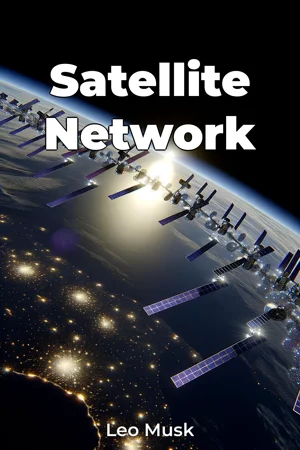
"Satellite Network" explores the groundbreaking development of Starlink, Elon Musk's ambitious satellite constellation project, and its potential to revolutionize global internet connectivity. This comprehensive analysis delves into the technical infrastructure, operational mechanics, and broader implications of what could become the world's largest satellite communications network. The book examines three primary components: the satellite constellation architecture, ground station infrastructure, and end-user technology. Through detailed technical specifications and engineering analyses, readers gain insight into how thousands of low Earth orbit (LEO) satellites work in concert to provide high-speed internet access across the globe. The historical context begins with early satellite communications in the 1960s, tracking the evolution through GPS and modern telecommunications satellites. This foundation helps readers understand how Starlink represents a significant departure from traditional satellite systems, particularly in its use of LEO deployment and advanced inter-satellite laser communications. Central to the book's thesis is the assertion that LEO satellite constellations will fundamentally alter global telecommunications infrastructure. The argument is supported by extensive technical data, regulatory documentation, and performance metrics from early deployment phases. The text presents evidence through computer models, orbital mechanics calculations, and actual performance data from beta testing programs. The content progresses through three major sections: First, the technical architecture of the Starlink system, including satellite design, orbital patterns, and collision avoidance systems. Second, the ground infrastructure requirements and challenges, including the placement of gateway stations and user terminals. Third, the broader implications for global connectivity, digital divide reduction, and potential applications in remote sensing and earth observation. Research presented includes data from aerospace engineers, telecommunications experts, and regulatory filings with the Federal Communications Commission. The book incorporates findings from radio frequency interference studies, atmospheric impact assessments, and economic viability analyses. The interdisciplinary approach connects aerospace engineering with telecommunications technology, environmental science, and global economics. These connections demonstrate how satellite networks influence multiple sectors, from rural education to emergency response systems. The writing maintains a technical yet accessible tone, using clear explanations and relevant examples to convey complex concepts. While primarily aimed at professionals in telecommunications and aerospace industries, the book remains accessible to educated general readers interested in space technology and global communications. Specific attention is given to technical challenges such as signal latency, atmospheric interference, and space debris management. The book addresses ongoing debates about astronomical observation interference and orbital congestion, presenting multiple viewpoints and proposed solutions. The scope encompasses both current deployment phases and future expansion plans, while acknowledging limitations in areas such as polar coverage and capacity constraints. Practical applications discussed include remote work enablement, disaster response communications, and maritime connectivity. This work serves as a crucial resource for telecommunications professionals, satellite engineers, policy makers, and technology investors. It provides essential understanding of how large-scale satellite networks function and their potential impact on global communications infrastructure. The book maintains objectivity while examining competing technologies and approaches, including other satellite constellations and terrestrial solutions. By focusing on technical specifications and operational data rather than speculation, it offers readers a reliable foundation for understanding this emerging technology.
"Satellite Network" explores the groundbreaking development of Starlink, Elon Musk's ambitious satellite constellation project, and its potential to revolutionize global internet connectivity. This comprehensive analysis delves into the technical infrastructure, operational mechanics, and broader implications of what could become the world's largest satellite communications network. The book examines three primary components: the satellite constellation architecture, ground station infrastructure, and end-user technology. Through detailed technical specifications and engineering analyses, readers gain insight into how thousands of low Earth orbit (LEO) satellites work in concert to provide high-speed internet access across the globe. The historical context begins with early satellite communications in the 1960s, tracking the evolution through GPS and modern telecommunications satellites. This foundation helps readers understand how Starlink represents a significant departure from traditional satellite systems, particularly in its use of LEO deployment and advanced inter-satellite laser communications. Central to the book's thesis is the assertion that LEO satellite constellations will fundamentally alter global telecommunications infrastructure. The argument is supported by extensive technical data, regulatory documentation, and performance metrics from early deployment phases. The text presents evidence through computer models, orbital mechanics calculations, and actual performance data from beta testing programs. The content progresses through three major sections: First, the technical architecture of the Starlink system, including satellite design, orbital patterns, and collision avoidance systems. Second, the ground infrastructure requirements and challenges, including the placement of gateway stations and user terminals. Third, the broader implications for global connectivity, digital divide reduction, and potential applications in remote sensing and earth observation. Research presented includes data from aerospace engineers, telecommunications experts, and regulatory filings with the Federal Communications Commission. The book incorporates findings from radio frequency interference studies, atmospheric impact assessments, and economic viability analyses. The interdisciplinary approach connects aerospace engineering with telecommunications technology, environmental science, and global economics. These connections demonstrate how satellite networks influence multiple sectors, from rural education to emergency response systems. The writing maintains a technical yet accessible tone, using clear explanations and relevant examples to convey complex concepts. While primarily aimed at professionals in telecommunications and aerospace industries, the book remains accessible to educated general readers interested in space technology and global communications. Specific attention is given to technical challenges such as signal latency, atmospheric interference, and space debris management. The book addresses ongoing debates about astronomical observation interference and orbital congestion, presenting multiple viewpoints and proposed solutions. The scope encompasses both current deployment phases and future expansion plans, while acknowledging limitations in areas such as polar coverage and capacity constraints. Practical applications discussed include remote work enablement, disaster response communications, and maritime connectivity. This work serves as a crucial resource for telecommunications professionals, satellite engineers, policy makers, and technology investors. It provides essential understanding of how large-scale satellite networks function and their potential impact on global communications infrastructure. The book maintains objectivity while examining competing technologies and approaches, including other satellite constellations and terrestrial solutions. By focusing on technical specifications and operational data rather than speculation, it offers readers a reliable foundation for understanding this emerging technology.
"Satellite Network" provides a comprehensive exploration of Starlink's revolutionary satellite constellation project, examining how this ambitious venture aims to transform global internet connectivity through a network of thousands of low Earth orbit satellites. The book skillfully breaks down the three core components of the system: the satellite constellation architecture, ground station infrastructure, and end-user technology, presenting complex technical concepts in an accessible manner. The narrative begins with a historical foundation of satellite communications from the 1960s before diving into Starlink's innovative approach, particularly its use of LEO deployment and inter-satellite laser communications. Through detailed technical specifications and real-world performance data from beta testing programs, readers gain insights into how this massive network operates, including crucial aspects like collision avoidance systems and signal latency management. The book's analysis is supported by extensive research from aerospace engineers, telecommunications experts, and regulatory documentation. What sets this work apart is its interdisciplinary approach, connecting aerospace engineering with telecommunications technology while addressing critical challenges like space debris management and astronomical observation interference. The book progresses logically through technical architecture, ground infrastructure requirements, and broader implications for global connectivity, making it an invaluable resource for both industry professionals and educated general readers interested in the future of space-based communications. Its evidence-based analysis of practical applications, from disaster response to maritime connectivity, provides a solid foundation for understanding this transformative technology.
Book Details
ISBN
9788233934897
Publisher
Publifye AS
Your Licenses
You don't own any licenses for this book
Purchase a license below to unlock this book and download the EPUB.
Purchase License
Select a tier to unlock this book
Need bulk licensing?
Contact us for enterprise agreements.