
About This Book
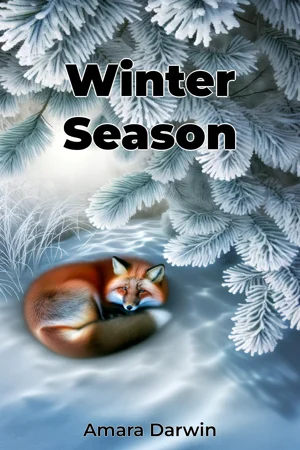
"Winter Season" examines the intricate biological adaptations and transformations that occur during the coldest months of the year, offering a comprehensive analysis of how life persists and adapts in challenging conditions. This research-based exploration delves into the interconnected relationships between plants, animals, and humans during winter, revealing the sophisticated survival mechanisms that have evolved over millions of years. The book is structured around three primary themes: biological adaptation, ecological interconnection, and environmental impact. The first section examines the physiological changes that enable organisms to survive winter conditions, from plant dormancy mechanisms to animal hibernation patterns. The second part explores the complex web of relationships between different species during winter, while the third addresses how climate change is affecting traditional winter patterns and survival strategies. Drawing from decades of research in ecology, biology, and environmental science, the book presents evidence from long-term studies conducted across various climate zones. It incorporates data from satellite imaging, weather station records, and biological sampling to create a complete picture of winter's effects on living systems. The text specifically addresses key topics such as the chemical processes behind plant dormancy, the varied hibernation strategies of different mammal species, and human physiological responses to cold conditions. It explains how deciduous trees prepare for winter by gradually breaking down chlorophyll and storing nutrients, how bears enter a state of torpor while maintaining the ability to respond to threats, and how human metabolism adjusts to conserve energy in cold environments. The book makes important connections between biology, chemistry, and physics, demonstrating how these disciplines interact in winter survival mechanisms. It includes detailed explanations of concepts like supercooling in plants, thermogenesis in mammals, and the physics of snow insulation. Written in a clear, methodical style, the content progresses from fundamental concepts to more complex interactions. Each chapter builds upon previous information, creating a logical framework for understanding winter's biological impacts. The writing maintains an academic approach while remaining accessible to educated general readers with an interest in natural sciences. The target audience includes biology students, environmental scientists, and informed general readers seeking to understand the scientific principles behind winter adaptation. The book is particularly relevant for those in temperate and polar regions who wish to understand the natural processes occurring around them during winter months. Practical applications include insights for wildlife conservation, agricultural planning, and human adaptation to cold climates. The book provides specific examples of how understanding winter biology can improve crop protection, wildlife management, and human safety in cold conditions. Current debates addressed include the impact of changing winter patterns on species adaptation, the effects of urban development on winter survival strategies, and the long-term implications of shorter winters due to climate change. The book presents multiple perspectives on these issues while maintaining a focus on empirical evidence. The scope encompasses temperate and polar regions, though it acknowledges variations in winter conditions across different latitudes. It intentionally limits coverage of tropical regions to focus on areas where winter presents significant biological challenges. Throughout the text, detailed illustrations, graphs, and charts support the scientific concepts presented. Case studies from various ecosystems provide real-world examples of winter adaptation strategies, making the information both concrete and applicable. The book concludes by examining current research directions in winter biology and ecology, highlighting areas where our understanding continues to evolve and identifying critical questions that remain to be answered in this field.
"Winter Season" examines the intricate biological adaptations and transformations that occur during the coldest months of the year, offering a comprehensive analysis of how life persists and adapts in challenging conditions. This research-based exploration delves into the interconnected relationships between plants, animals, and humans during winter, revealing the sophisticated survival mechanisms that have evolved over millions of years. The book is structured around three primary themes: biological adaptation, ecological interconnection, and environmental impact. The first section examines the physiological changes that enable organisms to survive winter conditions, from plant dormancy mechanisms to animal hibernation patterns. The second part explores the complex web of relationships between different species during winter, while the third addresses how climate change is affecting traditional winter patterns and survival strategies. Drawing from decades of research in ecology, biology, and environmental science, the book presents evidence from long-term studies conducted across various climate zones. It incorporates data from satellite imaging, weather station records, and biological sampling to create a complete picture of winter's effects on living systems. The text specifically addresses key topics such as the chemical processes behind plant dormancy, the varied hibernation strategies of different mammal species, and human physiological responses to cold conditions. It explains how deciduous trees prepare for winter by gradually breaking down chlorophyll and storing nutrients, how bears enter a state of torpor while maintaining the ability to respond to threats, and how human metabolism adjusts to conserve energy in cold environments. The book makes important connections between biology, chemistry, and physics, demonstrating how these disciplines interact in winter survival mechanisms. It includes detailed explanations of concepts like supercooling in plants, thermogenesis in mammals, and the physics of snow insulation. Written in a clear, methodical style, the content progresses from fundamental concepts to more complex interactions. Each chapter builds upon previous information, creating a logical framework for understanding winter's biological impacts. The writing maintains an academic approach while remaining accessible to educated general readers with an interest in natural sciences. The target audience includes biology students, environmental scientists, and informed general readers seeking to understand the scientific principles behind winter adaptation. The book is particularly relevant for those in temperate and polar regions who wish to understand the natural processes occurring around them during winter months. Practical applications include insights for wildlife conservation, agricultural planning, and human adaptation to cold climates. The book provides specific examples of how understanding winter biology can improve crop protection, wildlife management, and human safety in cold conditions. Current debates addressed include the impact of changing winter patterns on species adaptation, the effects of urban development on winter survival strategies, and the long-term implications of shorter winters due to climate change. The book presents multiple perspectives on these issues while maintaining a focus on empirical evidence. The scope encompasses temperate and polar regions, though it acknowledges variations in winter conditions across different latitudes. It intentionally limits coverage of tropical regions to focus on areas where winter presents significant biological challenges. Throughout the text, detailed illustrations, graphs, and charts support the scientific concepts presented. Case studies from various ecosystems provide real-world examples of winter adaptation strategies, making the information both concrete and applicable. The book concludes by examining current research directions in winter biology and ecology, highlighting areas where our understanding continues to evolve and identifying critical questions that remain to be answered in this field.
"Winter Season" offers a fascinating exploration of how life adapts and persists during the coldest months, presenting a comprehensive examination of winter survival mechanisms across plants, animals, and humans. The book masterfully weaves together research from ecology, biology, and environmental science to reveal the sophisticated adaptations that have evolved over millions of years, from the chemical processes behind plant dormancy to the varied hibernation strategies of mammals. Through three main themes - biological adaptation, ecological interconnection, and environmental impact - the text progresses from fundamental concepts to complex interactions. Readers discover intriguing phenomena such as how deciduous trees prepare for winter by breaking down chlorophyll and storing nutrients, and how bears maintain awareness during torpor while conserving energy. The book particularly shines in its detailed exploration of supercooling in plants and thermogenesis in mammals, supported by long-term studies and data from various climate zones. What sets this work apart is its methodical approach to connecting biology, chemistry, and physics in winter survival mechanisms, while remaining accessible to educated general readers. The inclusion of practical applications for wildlife conservation and agricultural planning makes it especially valuable for students, environmental scientists, and nature enthusiasts. Moreover, the book addresses crucial contemporary issues, examining how climate change affects traditional winter patterns and what this means for species adaptation in temperate and polar regions.
Book Details
ISBN
9788233934835
Publisher
Publifye AS
Your Licenses
You don't own any licenses for this book
Purchase a license below to unlock this book and download the EPUB.
Purchase License
Select a tier to unlock this book
Need bulk licensing?
Contact us for enterprise agreements.