
About This Book
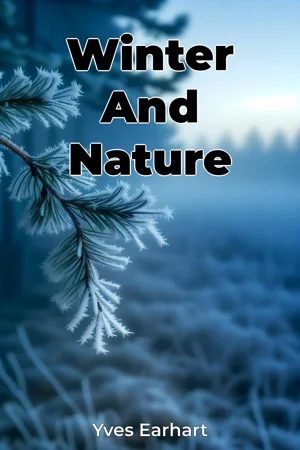
"Winter and Nature" explores the complex mechanisms and adaptations that define the coldest season of the year, revealing how this period of apparent dormancy is crucial for Earth's ecological balance. The book examines the intricate relationships between winter conditions and natural systems, demonstrating how seasonal changes drive biological processes and shape ecosystems worldwide. The work is structured around three primary themes: the physiological adaptations of organisms to winter conditions, the ecological benefits of cold seasons, and the critical role of winter in maintaining global biodiversity. Through detailed analysis, the book illustrates how winter serves as a reset button for natural systems, allowing for regeneration and renewal of resources essential for life. Drawing from decades of research in climatology, biology, and ecology, the text presents compelling evidence of winter's significance in maintaining healthy ecosystems. The book incorporates data from long-term studies across various climates, from arctic tundra to temperate forests, providing readers with a comprehensive understanding of winter's global impact. Each chapter builds upon fundamental concepts in environmental science while introducing new insights into familiar phenomena. The first section examines how plants and animals prepare for and survive winter conditions, from chemical changes at the cellular level to behavioral adaptations. The second part analyzes winter's role in soil health, pest control, and species diversity. The final section explores how winter patterns influence evolution and adaptation over time. The book connects multiple scientific disciplines, linking climatology with biology, chemistry with ecology, and evolution with modern conservation efforts. These intersections provide readers with a multifaceted understanding of winter's importance in natural systems. Special attention is given to recent research on climate change's impact on winter patterns and the potential consequences for ecological systems. Written in a clear, scientific style that balances technical accuracy with accessibility, the text serves both academic and general audiences interested in environmental science. The author employs precise language and detailed examples while maintaining an approachable tone that guides readers through complex concepts. The work is particularly relevant for environmental scientists, biology students, and nature enthusiasts seeking to understand seasonal changes and their ecological significance. It addresses current debates in climate science, including the effects of warming winters on species adaptation and ecosystem stability. Practical applications include insights for conservation planning, wildlife management, and agricultural practices. The book provides frameworks for understanding how winter conditions influence natural resource management and biodiversity preservation. Limitations are clearly addressed, acknowledging that the focus is primarily on temperate and arctic regions, with less emphasis on tropical areas where seasonal changes manifest differently. The text maintains scientific objectivity while presenting evidence-based arguments for winter's essential role in Earth's biological systems. The book concludes by examining current challenges to winter ecosystems, including climate change and human development, offering research-based perspectives on maintaining winter's ecological functions in a changing world. This comprehensive examination of winter and nature provides readers with both theoretical understanding and practical knowledge about one of nature's most significant seasonal phenomena. This work stands out for its systematic analysis of winter's biological importance, moving beyond common perceptions to reveal the season's fundamental role in sustaining life on Earth. It presents winter not merely as a challenging period to endure, but as an essential driver of ecological processes that maintain environmental health year-round.
"Winter and Nature" explores the complex mechanisms and adaptations that define the coldest season of the year, revealing how this period of apparent dormancy is crucial for Earth's ecological balance. The book examines the intricate relationships between winter conditions and natural systems, demonstrating how seasonal changes drive biological processes and shape ecosystems worldwide. The work is structured around three primary themes: the physiological adaptations of organisms to winter conditions, the ecological benefits of cold seasons, and the critical role of winter in maintaining global biodiversity. Through detailed analysis, the book illustrates how winter serves as a reset button for natural systems, allowing for regeneration and renewal of resources essential for life. Drawing from decades of research in climatology, biology, and ecology, the text presents compelling evidence of winter's significance in maintaining healthy ecosystems. The book incorporates data from long-term studies across various climates, from arctic tundra to temperate forests, providing readers with a comprehensive understanding of winter's global impact. Each chapter builds upon fundamental concepts in environmental science while introducing new insights into familiar phenomena. The first section examines how plants and animals prepare for and survive winter conditions, from chemical changes at the cellular level to behavioral adaptations. The second part analyzes winter's role in soil health, pest control, and species diversity. The final section explores how winter patterns influence evolution and adaptation over time. The book connects multiple scientific disciplines, linking climatology with biology, chemistry with ecology, and evolution with modern conservation efforts. These intersections provide readers with a multifaceted understanding of winter's importance in natural systems. Special attention is given to recent research on climate change's impact on winter patterns and the potential consequences for ecological systems. Written in a clear, scientific style that balances technical accuracy with accessibility, the text serves both academic and general audiences interested in environmental science. The author employs precise language and detailed examples while maintaining an approachable tone that guides readers through complex concepts. The work is particularly relevant for environmental scientists, biology students, and nature enthusiasts seeking to understand seasonal changes and their ecological significance. It addresses current debates in climate science, including the effects of warming winters on species adaptation and ecosystem stability. Practical applications include insights for conservation planning, wildlife management, and agricultural practices. The book provides frameworks for understanding how winter conditions influence natural resource management and biodiversity preservation. Limitations are clearly addressed, acknowledging that the focus is primarily on temperate and arctic regions, with less emphasis on tropical areas where seasonal changes manifest differently. The text maintains scientific objectivity while presenting evidence-based arguments for winter's essential role in Earth's biological systems. The book concludes by examining current challenges to winter ecosystems, including climate change and human development, offering research-based perspectives on maintaining winter's ecological functions in a changing world. This comprehensive examination of winter and nature provides readers with both theoretical understanding and practical knowledge about one of nature's most significant seasonal phenomena. This work stands out for its systematic analysis of winter's biological importance, moving beyond common perceptions to reveal the season's fundamental role in sustaining life on Earth. It presents winter not merely as a challenging period to endure, but as an essential driver of ecological processes that maintain environmental health year-round.
"Winter and Nature" offers a compelling exploration of winter's vital role in Earth's ecological systems, revealing how this seemingly dormant season actually serves as a crucial reset button for natural processes. Through a systematic examination of winter biology and seasonal changes, the book illuminates the intricate ways organisms adapt to cold conditions and how these adaptations contribute to global biodiversity. The text masterfully weaves together multiple scientific disciplines, starting with detailed explanations of how plants and animals prepare for winter through cellular and behavioral changes. It then progresses to broader ecological implications, demonstrating winter's essential functions in soil health, pest control, and species diversity. Particularly fascinating are the insights into how winter patterns shape evolution and drive ecosystem stability, supported by research from various climates ranging from arctic tundra to temperate forests. What sets this book apart is its comprehensive approach to understanding winter as more than just a challenging season to endure. By connecting climatology, biology, and ecology, it presents winter as a fundamental driver of life processes, while addressing current concerns about climate change's impact on seasonal patterns. Written in accessible language that maintains scientific accuracy, the book serves both academic audiences and nature enthusiasts, offering practical applications for conservation planning and wildlife management while highlighting the urgent need to preserve winter's ecological functions in our changing world.
Book Details
ISBN
9788233934750
Publisher
Publifye AS
Your Licenses
You don't own any licenses for this book
Purchase a license below to unlock this book and download the EPUB.
Purchase License
Select a tier to unlock this book
Need bulk licensing?
Contact us for enterprise agreements.