
About This Book
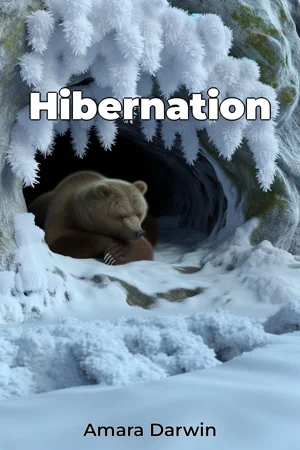
"Hibernation" explores one of nature's most sophisticated survival mechanisms, examining how various species navigate periods of environmental stress through metabolic adaptation. This comprehensive examination delves into the biological processes, evolutionary development, and modern scientific understanding of hibernation across the animal kingdom. The book begins by addressing a fundamental question: How do animals survive months without food or water? Through detailed analysis, it reveals how hibernation serves as more than just a long winter's sleep—it's a complex physiological state that has evolved across multiple species through millions of years of adaptation. Three core sections form the backbone of this scientific exploration. The first examines the biochemical and physiological changes that occur during hibernation, including metabolic reduction, temperature regulation, and cellular preservation mechanisms. The second investigates the diverse forms of hibernation across species, from classic winter hibernators like bears and ground squirrels to daily torpor in hummingbirds and specialized adaptations in amphibians. The final section connects hibernation research to modern medical applications and conservation efforts. Drawing from recent research and long-term studies, the book presents evidence from radio tracking data, metabolic measurements, and genetic analyses. It features research from leading institutions studying hibernation patterns in both laboratory and natural settings, incorporating findings from molecular biology, ecology, and evolutionary studies. The text maintains a balanced approach between technical detail and accessibility, making complex biological concepts comprehensible to both science enthusiasts and professional researchers. It addresses current debates in the field, including the classification of bear hibernation and the potential applications of hibernation research in human medicine. Interdisciplinary connections link hibernation to climate science, showing how seasonal timing affects hibernation patterns, and to medical research, where understanding metabolic suppression could benefit trauma care and space travel. The book also explores the ecological importance of hibernation in maintaining biodiversity and ecosystem balance. Practical applications discussed include conservation strategies for hibernating species, the impact of climate change on hibernation patterns, and potential medical innovations inspired by hibernation research. The text examines how understanding hibernation mechanisms could lead to breakthroughs in organ preservation, metabolic disorders, and brain injury treatment. The book addresses several ongoing scientific debates, including the evolutionary origins of hibernation, whether it developed independently multiple times, and how climate change might affect hibernation patterns in various species. It presents multiple viewpoints on these issues while maintaining scientific objectivity. Written for biology students, wildlife professionals, and informed general readers, the book provides both theoretical framework and practical insights. It includes detailed diagrams, case studies, and research summaries that support its comprehensive examination of hibernation across different species and environments. The scope encompasses both well-known hibernators and lesser-studied species, though it acknowledges that many aspects of hibernation physiology remain under investigation. The text maintains scientific rigor while remaining engaging, using clear language to explain complex biological processes and their significance in natural systems. This thorough examination of hibernation contributes to our understanding of adaptive physiology, ecological relationships, and potential applications in human medicine, making it relevant for both academic study and practical application in wildlife management and medical research.
"Hibernation" explores one of nature's most sophisticated survival mechanisms, examining how various species navigate periods of environmental stress through metabolic adaptation. This comprehensive examination delves into the biological processes, evolutionary development, and modern scientific understanding of hibernation across the animal kingdom. The book begins by addressing a fundamental question: How do animals survive months without food or water? Through detailed analysis, it reveals how hibernation serves as more than just a long winter's sleep—it's a complex physiological state that has evolved across multiple species through millions of years of adaptation. Three core sections form the backbone of this scientific exploration. The first examines the biochemical and physiological changes that occur during hibernation, including metabolic reduction, temperature regulation, and cellular preservation mechanisms. The second investigates the diverse forms of hibernation across species, from classic winter hibernators like bears and ground squirrels to daily torpor in hummingbirds and specialized adaptations in amphibians. The final section connects hibernation research to modern medical applications and conservation efforts. Drawing from recent research and long-term studies, the book presents evidence from radio tracking data, metabolic measurements, and genetic analyses. It features research from leading institutions studying hibernation patterns in both laboratory and natural settings, incorporating findings from molecular biology, ecology, and evolutionary studies. The text maintains a balanced approach between technical detail and accessibility, making complex biological concepts comprehensible to both science enthusiasts and professional researchers. It addresses current debates in the field, including the classification of bear hibernation and the potential applications of hibernation research in human medicine. Interdisciplinary connections link hibernation to climate science, showing how seasonal timing affects hibernation patterns, and to medical research, where understanding metabolic suppression could benefit trauma care and space travel. The book also explores the ecological importance of hibernation in maintaining biodiversity and ecosystem balance. Practical applications discussed include conservation strategies for hibernating species, the impact of climate change on hibernation patterns, and potential medical innovations inspired by hibernation research. The text examines how understanding hibernation mechanisms could lead to breakthroughs in organ preservation, metabolic disorders, and brain injury treatment. The book addresses several ongoing scientific debates, including the evolutionary origins of hibernation, whether it developed independently multiple times, and how climate change might affect hibernation patterns in various species. It presents multiple viewpoints on these issues while maintaining scientific objectivity. Written for biology students, wildlife professionals, and informed general readers, the book provides both theoretical framework and practical insights. It includes detailed diagrams, case studies, and research summaries that support its comprehensive examination of hibernation across different species and environments. The scope encompasses both well-known hibernators and lesser-studied species, though it acknowledges that many aspects of hibernation physiology remain under investigation. The text maintains scientific rigor while remaining engaging, using clear language to explain complex biological processes and their significance in natural systems. This thorough examination of hibernation contributes to our understanding of adaptive physiology, ecological relationships, and potential applications in human medicine, making it relevant for both academic study and practical application in wildlife management and medical research.
"Hibernation" presents a fascinating exploration of one of nature's most remarkable survival strategies, examining how various animals survive extended periods without food or water through complex physiological adaptations. The book masterfully breaks down the intricate mechanisms of metabolic adaptation, from the cellular level to whole-organism changes, while connecting these processes to evolutionary development and modern scientific applications. Through three comprehensive sections, the text guides readers from the fundamental biochemistry of hibernation—including metabolic reduction and temperature regulation—to the diverse manifestations of this survival strategy across species. From bears and ground squirrels to hummingbirds and amphibians, each example illustrates the remarkable versatility of hibernation as an adaptive response. The book draws on cutting-edge research, including radio tracking data and genetic analyses, to paint a complete picture of how different species have evolved these survival mechanisms. What sets this book apart is its ability to bridge pure science with practical applications, particularly in medical research and conservation efforts. By examining how hibernating animals naturally preserve organs and suppress metabolism, the text reveals potential applications for human medicine, including trauma care and organ preservation. The book also addresses pressing contemporary issues, such as the impact of climate change on hibernation patterns and the role of hibernation in maintaining biodiversity, making it relevant for both academic study and real-world conservation efforts.
Book Details
ISBN
9788233934729
Publisher
Publifye AS
Your Licenses
You don't own any licenses for this book
Purchase a license below to unlock this book and download the EPUB.
Purchase License
Select a tier to unlock this book
Need bulk licensing?
Contact us for enterprise agreements.