
About This Book
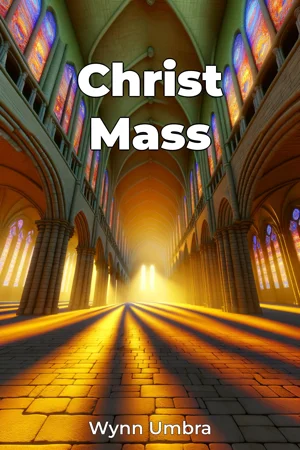
"Christ Mass" examines the historical, theological, and sociological dimensions of Christmas as more than a holiday, presenting it as a profound expression of Christian community and spiritual connection. This detailed exploration challenges readers to understand the deeper meaning behind the term "Christmas" and its significance in both historical and contemporary Christian practice. The book develops three primary themes: the etymological evolution of "Christ Mass" from its Latin origins, the theological significance of communal worship in Christian tradition, and the transformative power of collective faith celebration. These interconnected elements provide readers with a comprehensive understanding of how the Christmas celebration evolved from early Christian gatherings to its current global observance. Drawing from historical church documents, liturgical texts, and archaeological evidence, the work traces the development of Christmas celebrations from the early Christian church through medieval times to the present. The author presents careful analysis of primary sources, including early church fathers' writings, ancient liturgical calendars, and historical accounts of Christmas observances across different Christian traditions. The central thesis argues that understanding Christmas as "Christ Mass" reveals essential truths about Christian community, worship, and faith that have been obscured by contemporary celebrations. This perspective emphasizes the communal nature of Christian worship and its role in sustaining faith communities throughout history. The book is structured in three main sections: "Origins and Etymology," exploring the linguistic and historical roots of Christmas; "Theological Foundations," examining the doctrinal significance of communal worship; and "Contemporary Applications," discussing how traditional understanding can enhance modern Christmas celebrations. Research methodology combines historical analysis, theological examination, and sociological study. The author incorporates archaeological findings, linguistic research, and theological scholarship to support the main arguments. This multidisciplinary approach provides readers with a well-rounded understanding of the subject matter. The work connects to multiple fields including linguistics, sociology, and anthropology, demonstrating how Christmas celebrations reflect broader patterns of human community and ritual. These connections help readers understand Christmas within a wider cultural and social context. Written in an academic yet accessible style, the book maintains scholarly rigor while remaining engaging for general readers interested in Christian history and practice. The target audience includes clergy, religious scholars, and lay people seeking deeper understanding of Christian traditions. The scope encompasses both Western and Eastern Christian traditions, though it primarily focuses on the development of Christmas celebrations in Western Christianity. The book acknowledges ongoing debates about the historical date of Christmas and various cultural adaptations of Christmas celebrations. Practical applications include guidance for religious leaders in planning meaningful Christmas services, suggestions for families seeking to incorporate traditional elements into their celebrations, and insights for individuals wanting to deepen their understanding of the holiday's spiritual significance. The work addresses current debates about the secularization of Christmas, offering historical perspective on similar tensions throughout Christian history. It provides balanced discussion of various denominational approaches to Christmas celebration while maintaining focus on shared elements of Christian worship and community. This comprehensive examination provides readers with both scholarly insight and practical wisdom for understanding and celebrating Christmas as a meaningful expression of Christian faith and community.
"Christ Mass" examines the historical, theological, and sociological dimensions of Christmas as more than a holiday, presenting it as a profound expression of Christian community and spiritual connection. This detailed exploration challenges readers to understand the deeper meaning behind the term "Christmas" and its significance in both historical and contemporary Christian practice. The book develops three primary themes: the etymological evolution of "Christ Mass" from its Latin origins, the theological significance of communal worship in Christian tradition, and the transformative power of collective faith celebration. These interconnected elements provide readers with a comprehensive understanding of how the Christmas celebration evolved from early Christian gatherings to its current global observance. Drawing from historical church documents, liturgical texts, and archaeological evidence, the work traces the development of Christmas celebrations from the early Christian church through medieval times to the present. The author presents careful analysis of primary sources, including early church fathers' writings, ancient liturgical calendars, and historical accounts of Christmas observances across different Christian traditions. The central thesis argues that understanding Christmas as "Christ Mass" reveals essential truths about Christian community, worship, and faith that have been obscured by contemporary celebrations. This perspective emphasizes the communal nature of Christian worship and its role in sustaining faith communities throughout history. The book is structured in three main sections: "Origins and Etymology," exploring the linguistic and historical roots of Christmas; "Theological Foundations," examining the doctrinal significance of communal worship; and "Contemporary Applications," discussing how traditional understanding can enhance modern Christmas celebrations. Research methodology combines historical analysis, theological examination, and sociological study. The author incorporates archaeological findings, linguistic research, and theological scholarship to support the main arguments. This multidisciplinary approach provides readers with a well-rounded understanding of the subject matter. The work connects to multiple fields including linguistics, sociology, and anthropology, demonstrating how Christmas celebrations reflect broader patterns of human community and ritual. These connections help readers understand Christmas within a wider cultural and social context. Written in an academic yet accessible style, the book maintains scholarly rigor while remaining engaging for general readers interested in Christian history and practice. The target audience includes clergy, religious scholars, and lay people seeking deeper understanding of Christian traditions. The scope encompasses both Western and Eastern Christian traditions, though it primarily focuses on the development of Christmas celebrations in Western Christianity. The book acknowledges ongoing debates about the historical date of Christmas and various cultural adaptations of Christmas celebrations. Practical applications include guidance for religious leaders in planning meaningful Christmas services, suggestions for families seeking to incorporate traditional elements into their celebrations, and insights for individuals wanting to deepen their understanding of the holiday's spiritual significance. The work addresses current debates about the secularization of Christmas, offering historical perspective on similar tensions throughout Christian history. It provides balanced discussion of various denominational approaches to Christmas celebration while maintaining focus on shared elements of Christian worship and community. This comprehensive examination provides readers with both scholarly insight and practical wisdom for understanding and celebrating Christmas as a meaningful expression of Christian faith and community.
"Christ Mass" delves deep into the rich tapestry of Christmas's historical, theological, and sociological dimensions, revealing it as far more than just a holiday celebration. This comprehensive exploration traces the evolution of Christmas from its Latin origins through medieval times to contemporary practice, emphasizing its fundamental role as a communal expression of Christian faith and worship. The book's three main sections masterfully weave together historical evidence and theological insights, beginning with the etymological roots of "Christ Mass" and progressing through its doctrinal foundations. Drawing from ancient church documents, liturgical texts, and archaeological findings, it illuminates fascinating aspects of early Christian gatherings and how they shaped modern Christmas celebrations. Particularly intriguing is the book's examination of how communal worship practices evolved across different Christian traditions while maintaining their essential spiritual significance. Through its multidisciplinary approach, the work challenges readers to reconsider their understanding of Christmas as primarily a historical "Christ Mass" - a profound expression of collective faith and community. The author skillfully addresses contemporary concerns about holiday secularization while providing practical guidance for religious leaders and families seeking to incorporate traditional elements into their celebrations. This balanced perspective makes the book valuable for both scholarly readers and those simply seeking to deepen their appreciation of Christmas's spiritual dimensions.
Book Details
ISBN
9788233934712
Publisher
Publifye AS
Your Licenses
You don't own any licenses for this book
Purchase a license below to unlock this book and download the EPUB.
Purchase License
Select a tier to unlock this book
Need bulk licensing?
Contact us for enterprise agreements.