
About This Book
"Germany at War" challenges readers to confront a pivotal question: How did a nation, twice within a century, become the epicenter of global conflict? This comprehensive examination of Germany's wartime history from 1914 to 2014 offers a nuanced understanding of the forces that shaped modern warfare and international relations. The book explores three key topics: the socio-political landscape of pre-war Germany, the military strategies and technological advancements that defined German warfare, and the aftermath and consequences of both World Wars. These themes are crucial for understanding not only German history but also the broader dynamics of 20th-century global conflicts and their lasting impact on international relations. To fully grasp the complexities of Germany's wartime experiences, readers are provided with essential context. The book delves into the unification of Germany under Bismarck, the rapid industrialization of the late 19th century, and the complex web of alliances that set the stage for World War I. This background is vital for comprehending the motivations and circumstances that led Germany into two world wars. The central argument of "Germany at War" posits that Germany's military adventures were not inevitable outcomes of national character, but rather the result of a complex interplay of historical, economic, and geopolitical factors. This thesis challenges simplistic narratives and encourages a more nuanced understanding of Germany's role in shaping 20th-century history. The book is structured chronologically, beginning with the lead-up to World War I and progressing through the interwar period, World War II, the Cold War, and finally, Germany's role in modern international conflicts. Each section examines the political decision-making, military strategies, and societal impacts of warfare, culminating in an analysis of Germany's contemporary approach to international security and peacekeeping efforts. To support its arguments, "Germany at War" draws upon a wealth of primary sources, including military archives, personal diaries, and government documents. The author also incorporates recent historiographical debates and interdisciplinary research from fields such as economics, psychology, and technology studies to provide a comprehensive analysis of Germany's wartime experiences. The book makes significant connections to other disciplines, including international relations, examining how Germany's wars influenced global diplomacy and the formation of international organizations. It also explores the psychological impacts of war on societies, drawing from social psychology to explain phenomena such as the rise of extremist ideologies. Additionally, it delves into the technological advancements spurred by wartime necessities, linking military history to the broader narrative of scientific progress. "Germany at War" stands out for its balanced approach, avoiding both condemnation and apology. Instead, it presents a clear-eyed analysis of the decisions, circumstances, and consequences that characterized Germany's wartime experiences. The writing style is scholarly yet accessible, employing a narrative non-fiction approach that engages readers while maintaining academic rigor. This book is primarily aimed at students of history, military strategists, and policymakers, but its insights will also appeal to general readers interested in understanding the complexities of modern warfare and international relations. It adheres to the conventions of military history while incorporating broader historical context, making it a comprehensive resource for its genre. While the book focuses primarily on Germany's direct involvement in major conflicts, it also acknowledges the global repercussions of these wars and Germany's influence on smaller conflicts throughout the century. However, it does not deeply explore the colonial aspects of German military history, focusing instead on the European theater and global wars. The practical applications of this book are numerous. It offers valuable lessons for contemporary military strategy, international diplomacy, and conflict resolution. By understanding the factors that led to and sustained major conflicts, readers can better analyze current geopolitical tensions and work towards preventing future wars. "Germany at War" also addresses ongoing historiographical debates, such as the extent of German responsibility for World War I and the factors that contributed to the rise of Nazi Germany. It presents various scholarly perspectives on these issues, encouraging readers to engage critically with historical interpretations. This comprehensive exploration of Germany's century of war provides readers with a deep understanding of the complexities of modern warfare, the far-reaching consequences of military conflicts, and the ongoing challenges of maintaining peace in an interconnected world.
"Germany at War" challenges readers to confront a pivotal question: How did a nation, twice within a century, become the epicenter of global conflict? This comprehensive examination of Germany's wartime history from 1914 to 2014 offers a nuanced understanding of the forces that shaped modern warfare and international relations. The book explores three key topics: the socio-political landscape of pre-war Germany, the military strategies and technological advancements that defined German warfare, and the aftermath and consequences of both World Wars. These themes are crucial for understanding not only German history but also the broader dynamics of 20th-century global conflicts and their lasting impact on international relations. To fully grasp the complexities of Germany's wartime experiences, readers are provided with essential context. The book delves into the unification of Germany under Bismarck, the rapid industrialization of the late 19th century, and the complex web of alliances that set the stage for World War I. This background is vital for comprehending the motivations and circumstances that led Germany into two world wars. The central argument of "Germany at War" posits that Germany's military adventures were not inevitable outcomes of national character, but rather the result of a complex interplay of historical, economic, and geopolitical factors. This thesis challenges simplistic narratives and encourages a more nuanced understanding of Germany's role in shaping 20th-century history. The book is structured chronologically, beginning with the lead-up to World War I and progressing through the interwar period, World War II, the Cold War, and finally, Germany's role in modern international conflicts. Each section examines the political decision-making, military strategies, and societal impacts of warfare, culminating in an analysis of Germany's contemporary approach to international security and peacekeeping efforts. To support its arguments, "Germany at War" draws upon a wealth of primary sources, including military archives, personal diaries, and government documents. The author also incorporates recent historiographical debates and interdisciplinary research from fields such as economics, psychology, and technology studies to provide a comprehensive analysis of Germany's wartime experiences. The book makes significant connections to other disciplines, including international relations, examining how Germany's wars influenced global diplomacy and the formation of international organizations. It also explores the psychological impacts of war on societies, drawing from social psychology to explain phenomena such as the rise of extremist ideologies. Additionally, it delves into the technological advancements spurred by wartime necessities, linking military history to the broader narrative of scientific progress. "Germany at War" stands out for its balanced approach, avoiding both condemnation and apology. Instead, it presents a clear-eyed analysis of the decisions, circumstances, and consequences that characterized Germany's wartime experiences. The writing style is scholarly yet accessible, employing a narrative non-fiction approach that engages readers while maintaining academic rigor. This book is primarily aimed at students of history, military strategists, and policymakers, but its insights will also appeal to general readers interested in understanding the complexities of modern warfare and international relations. It adheres to the conventions of military history while incorporating broader historical context, making it a comprehensive resource for its genre. While the book focuses primarily on Germany's direct involvement in major conflicts, it also acknowledges the global repercussions of these wars and Germany's influence on smaller conflicts throughout the century. However, it does not deeply explore the colonial aspects of German military history, focusing instead on the European theater and global wars. The practical applications of this book are numerous. It offers valuable lessons for contemporary military strategy, international diplomacy, and conflict resolution. By understanding the factors that led to and sustained major conflicts, readers can better analyze current geopolitical tensions and work towards preventing future wars. "Germany at War" also addresses ongoing historiographical debates, such as the extent of German responsibility for World War I and the factors that contributed to the rise of Nazi Germany. It presents various scholarly perspectives on these issues, encouraging readers to engage critically with historical interpretations. This comprehensive exploration of Germany's century of war provides readers with a deep understanding of the complexities of modern warfare, the far-reaching consequences of military conflicts, and the ongoing challenges of maintaining peace in an interconnected world.
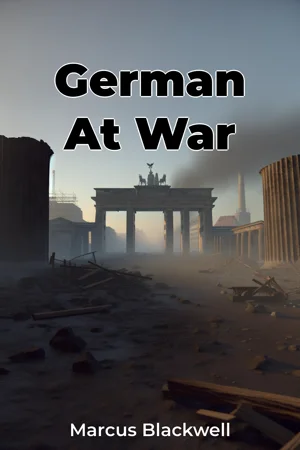
German At War delves into the nation's pivotal role in shaping 20th-century global conflicts, exploring how Germany became the epicenter of two world wars within a century. This comprehensive examination spans from 1914 to 2014, offering a nuanced understanding of the socio-political, military, and technological factors that influenced German warfare and international relations. The book challenges simplistic narratives, arguing that Germany's military adventures were not inevitable outcomes of national character, but rather the result of complex historical, economic, and geopolitical factors. It traces the country's journey from unification under Bismarck through rapid industrialization, World Wars I and II, the Cold War, and into modern peacekeeping efforts. By drawing on primary sources and interdisciplinary research, the author presents a balanced analysis of Germany's wartime experiences and their global repercussions. German At War stands out for its accessible yet scholarly approach, making it valuable for students, military strategists, and policymakers alike. The book's chronological structure and exploration of key themes such as military strategy, diplomacy, and technological advancements provide readers with a comprehensive understanding of Germany's role in shaping modern warfare and international relations. Through this lens, it offers valuable insights into contemporary geopolitical tensions and the ongoing challenges of maintaining global peace.
Book Details
ISBN
9788233934620
Publisher
Publifye AS
Your Licenses
You don't own any licenses for this book
Purchase a license below to unlock this book and download the EPUB.
Purchase License
Select a tier to unlock this book
Need bulk licensing?
Contact us for enterprise agreements.