
About This Book
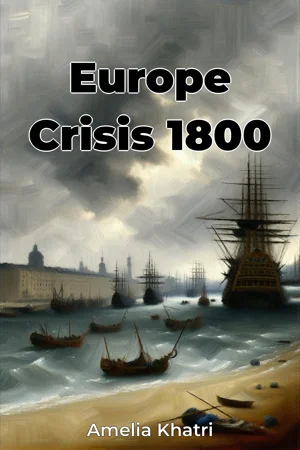
"Europe Crisis 1800" opens with a provocative question: How did the tumultuous events of 1800 reshape the European continent and spark a wave of emigration that would alter the course of world history? This book delves deep into the heart of Europe at a pivotal moment, examining the interconnected crises that gripped the continent and the subsequent human displacement that reshaped societies across the globe. The book focuses on three main topics: the political upheavals following the French Revolution, the economic instability caused by rapid industrialization, and the social unrest resulting from population growth and resource scarcity. These intertwined factors created a perfect storm that pushed many Europeans to seek new opportunities abroad, fundamentally altering both the lands they left and those they settled. To fully appreciate the significance of this period, readers are provided with essential context. The book traces the roots of the crisis back to the Enlightenment and the American Revolution, explaining how these intellectual and political movements set the stage for the dramatic changes of 1800. It also outlines the complex web of alliances and rivalries among European powers that contributed to the continent's instability. The central argument of "Europe Crisis 1800" is that the year 1800 marked a critical inflection point in European and world history, catalyzing a series of changes that would define the modern era. The book contends that understanding this pivotal moment is crucial for comprehending subsequent global developments, from the rise of nation-states to the patterns of international migration that continue to shape our world today. Structurally, the book is divided into three main sections. The first introduces the key concepts and historical background. The second delves into the specific crises facing different European regions, examining how local conditions interacted with broader continental trends. The final section explores the various waves of emigration, tracing the journeys of Europeans to the Americas, Africa, and beyond, and analyzing the impact of these movements on both sending and receiving societies. To support its arguments, the book draws on a wide range of primary sources, including government records, personal letters, and contemporary accounts. It also incorporates recent scholarship in migration studies, economic history, and political science to provide a multifaceted analysis of the period. "Europe Crisis 1800" makes important connections to other fields, including sociology, demography, and international relations. By examining the interplay between political events, economic forces, and human migration, the book offers insights relevant to current debates on globalization, refugee crises, and the impact of population movements on national identities. The book's unique approach lies in its holistic examination of the European crisis, moving beyond traditional nation-centric narratives to provide a continental perspective. It also innovates by directly linking the events of 1800 to long-term global demographic changes, offering a new lens through which to view this critical period. Written in an accessible academic style, "Europe Crisis 1800" balances scholarly rigor with engaging prose, making it suitable for both academic audiences and general readers with an interest in world history. The book is particularly valuable for students and professionals in fields such as history, international relations, and migration studies, as well as policymakers grappling with contemporary issues of population movement and national identity. While the book focuses primarily on Europe, it acknowledges the global context of these events, exploring how European crises and emigration patterns influenced and were influenced by developments in other parts of the world. However, it does not attempt to provide an exhaustive account of world events during this period, maintaining a clear focus on its central themes. The insights provided in "Europe Crisis 1800" have practical applications for understanding contemporary migration patterns, the long-term effects of political and economic instability, and the complex interplay between local conditions and global trends. By examining historical precedents, the book offers valuable perspectives on current debates surrounding immigration, economic integration, and national sovereignty. The book also addresses ongoing historiographical debates about the nature and significance of the changes occurring around 1800, engaging with different schools of thought and offering a balanced assessment of competing interpretations. "Europe Crisis 1800" provides a comprehensive, nuanced examination of a critical moment in world history, offering readers a deeper understanding of the forces that shaped the modern world and continue to influence global dynamics today.
"Europe Crisis 1800" opens with a provocative question: How did the tumultuous events of 1800 reshape the European continent and spark a wave of emigration that would alter the course of world history? This book delves deep into the heart of Europe at a pivotal moment, examining the interconnected crises that gripped the continent and the subsequent human displacement that reshaped societies across the globe. The book focuses on three main topics: the political upheavals following the French Revolution, the economic instability caused by rapid industrialization, and the social unrest resulting from population growth and resource scarcity. These intertwined factors created a perfect storm that pushed many Europeans to seek new opportunities abroad, fundamentally altering both the lands they left and those they settled. To fully appreciate the significance of this period, readers are provided with essential context. The book traces the roots of the crisis back to the Enlightenment and the American Revolution, explaining how these intellectual and political movements set the stage for the dramatic changes of 1800. It also outlines the complex web of alliances and rivalries among European powers that contributed to the continent's instability. The central argument of "Europe Crisis 1800" is that the year 1800 marked a critical inflection point in European and world history, catalyzing a series of changes that would define the modern era. The book contends that understanding this pivotal moment is crucial for comprehending subsequent global developments, from the rise of nation-states to the patterns of international migration that continue to shape our world today. Structurally, the book is divided into three main sections. The first introduces the key concepts and historical background. The second delves into the specific crises facing different European regions, examining how local conditions interacted with broader continental trends. The final section explores the various waves of emigration, tracing the journeys of Europeans to the Americas, Africa, and beyond, and analyzing the impact of these movements on both sending and receiving societies. To support its arguments, the book draws on a wide range of primary sources, including government records, personal letters, and contemporary accounts. It also incorporates recent scholarship in migration studies, economic history, and political science to provide a multifaceted analysis of the period. "Europe Crisis 1800" makes important connections to other fields, including sociology, demography, and international relations. By examining the interplay between political events, economic forces, and human migration, the book offers insights relevant to current debates on globalization, refugee crises, and the impact of population movements on national identities. The book's unique approach lies in its holistic examination of the European crisis, moving beyond traditional nation-centric narratives to provide a continental perspective. It also innovates by directly linking the events of 1800 to long-term global demographic changes, offering a new lens through which to view this critical period. Written in an accessible academic style, "Europe Crisis 1800" balances scholarly rigor with engaging prose, making it suitable for both academic audiences and general readers with an interest in world history. The book is particularly valuable for students and professionals in fields such as history, international relations, and migration studies, as well as policymakers grappling with contemporary issues of population movement and national identity. While the book focuses primarily on Europe, it acknowledges the global context of these events, exploring how European crises and emigration patterns influenced and were influenced by developments in other parts of the world. However, it does not attempt to provide an exhaustive account of world events during this period, maintaining a clear focus on its central themes. The insights provided in "Europe Crisis 1800" have practical applications for understanding contemporary migration patterns, the long-term effects of political and economic instability, and the complex interplay between local conditions and global trends. By examining historical precedents, the book offers valuable perspectives on current debates surrounding immigration, economic integration, and national sovereignty. The book also addresses ongoing historiographical debates about the nature and significance of the changes occurring around 1800, engaging with different schools of thought and offering a balanced assessment of competing interpretations. "Europe Crisis 1800" provides a comprehensive, nuanced examination of a critical moment in world history, offering readers a deeper understanding of the forces that shaped the modern world and continue to influence global dynamics today.
"Europe Crisis 1800" explores a pivotal moment in history when political upheavals, economic instability, and social unrest converged to reshape Europe and trigger a wave of global migration. The book examines how the aftermath of the French Revolution, rapid industrialization, and population growth created a perfect storm that pushed many Europeans to seek new opportunities abroad. This comprehensive analysis reveals how the events of 1800 marked a critical turning point, setting the stage for the rise of nation-states and establishing patterns of international migration that continue to influence our world today. The book's unique approach lies in its holistic examination of the European crisis, moving beyond traditional nation-centric narratives to provide a continental perspective. It traces the roots of the crisis back to the Enlightenment and the American Revolution, while also exploring its far-reaching consequences. By linking the tumultuous events of 1800 to long-term global demographic changes, the book offers readers a fresh lens through which to view this crucial period in world history. Structured in three main sections, "Europe Crisis 1800" progresses from introducing key concepts and historical background to examining specific regional crises and their impact on emigration patterns. Drawing on a wide range of primary sources and recent scholarship, the book provides a multifaceted analysis that balances scholarly rigor with engaging prose, making it accessible to both academic audiences and general readers interested in the forces that shaped the modern world.
Book Details
ISBN
9788233934538
Publisher
Publifye AS
Your Licenses
You don't own any licenses for this book
Purchase a license below to unlock this book and download the EPUB.
Purchase License
Select a tier to unlock this book
Need bulk licensing?
Contact us for enterprise agreements.