
About This Book
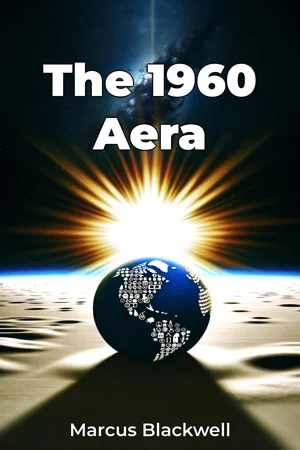
"The 1960 Aera" opens with a provocative question: "How did a single decade reshape the world as we know it?" This compelling inquiry sets the stage for a comprehensive exploration of the 1960s, a period that witnessed unprecedented social, political, and cultural transformations that continue to influence our global society today. The book focuses on three key topics: the Civil Rights Movement, the Cold War, and the Cultural Revolution. These interconnected themes serve as the pillars of the narrative, illustrating how the events of the 1960s catalyzed significant changes in human rights, international relations, and societal norms. Readers will gain insight into how these movements shaped modern democracy, global politics, and cultural expression. To fully appreciate the magnitude of the 1960s' impact, the book provides essential context on post-World War II society, the rise of superpowers, and the emergence of youth culture. This background information helps readers understand the socio-political climate that set the stage for the decade's transformative events. The central argument of "The 1960 Aera" posits that the 1960s were a pivotal turning point in modern history, fundamentally altering the trajectory of human progress and shaping the world we inhabit today. This thesis is crucial for understanding contemporary global issues and the ongoing struggle for equality and justice. The book's structure is organized chronologically, beginning with an introduction to the key players and events that defined the early 1960s. It then delves into three major sections: the Civil Rights Movement and its global repercussions, the intensification of the Cold War and its impact on international relations, and the Cultural Revolution's influence on art, music, and social norms. The narrative culminates in an analysis of how these movements converged to create lasting change, followed by a discussion of their practical implications for modern society. To support its arguments, "The 1960 Aera" draws upon a wide range of primary sources, including declassified government documents, personal interviews with key figures, and archival footage. The book also incorporates recent historical research and sociological studies to provide a contemporary perspective on the decade's events. Interdisciplinary connections are a key feature of the book, linking historical events to fields such as sociology, psychology, and political science. For example, the Civil Rights Movement is examined through the lens of social psychology to explain the power of collective action. Similarly, the Cultural Revolution is analyzed using anthropological concepts to illustrate how societal values evolve. The book's unique approach lies in its global perspective, moving beyond a U.S.-centric view to explore how the events of the 1960s reverberated around the world. It examines lesser-known movements in Africa, Asia, and Latin America, providing a comprehensive understanding of the decade's global impact. Written in an accessible yet scholarly tone, "The 1960 Aera" balances academic rigor with engaging narrative non-fiction elements. This approach makes the book suitable for both general readers interested in history and students of political science and sociology. The target audience includes history enthusiasts, policy makers, and educators seeking a comprehensive understanding of the 1960s and its lasting legacy. The book's insights are particularly valuable for those interested in understanding the roots of contemporary social and political issues. While the book provides a broad overview of the 1960s, it acknowledges its limitations in covering every aspect of this complex decade. Instead, it focuses on key events and movements that had the most significant and lasting impact on global society. "The 1960 Aera" offers practical applications for readers, providing frameworks for understanding modern social movements, analyzing international conflicts, and recognizing the power of cultural change. These tools are valuable for activists, policy makers, and citizens seeking to effect positive change in their communities. The book addresses ongoing debates in historical interpretation, such as the effectiveness of non-violent resistance versus more militant approaches in the Civil Rights Movement, and the long-term consequences of Cold War policies. By presenting multiple perspectives, it encourages readers to think critically about these complex issues. In conclusion, "The 1960 Aera" presents a comprehensive, nuanced examination of a decade that reshaped the world. By exploring the interconnections between social movements, geopolitical tensions, and cultural shifts, the book provides readers with a deeper understanding of how the past continues to influence our present and future.
"The 1960 Aera" opens with a provocative question: "How did a single decade reshape the world as we know it?" This compelling inquiry sets the stage for a comprehensive exploration of the 1960s, a period that witnessed unprecedented social, political, and cultural transformations that continue to influence our global society today. The book focuses on three key topics: the Civil Rights Movement, the Cold War, and the Cultural Revolution. These interconnected themes serve as the pillars of the narrative, illustrating how the events of the 1960s catalyzed significant changes in human rights, international relations, and societal norms. Readers will gain insight into how these movements shaped modern democracy, global politics, and cultural expression. To fully appreciate the magnitude of the 1960s' impact, the book provides essential context on post-World War II society, the rise of superpowers, and the emergence of youth culture. This background information helps readers understand the socio-political climate that set the stage for the decade's transformative events. The central argument of "The 1960 Aera" posits that the 1960s were a pivotal turning point in modern history, fundamentally altering the trajectory of human progress and shaping the world we inhabit today. This thesis is crucial for understanding contemporary global issues and the ongoing struggle for equality and justice. The book's structure is organized chronologically, beginning with an introduction to the key players and events that defined the early 1960s. It then delves into three major sections: the Civil Rights Movement and its global repercussions, the intensification of the Cold War and its impact on international relations, and the Cultural Revolution's influence on art, music, and social norms. The narrative culminates in an analysis of how these movements converged to create lasting change, followed by a discussion of their practical implications for modern society. To support its arguments, "The 1960 Aera" draws upon a wide range of primary sources, including declassified government documents, personal interviews with key figures, and archival footage. The book also incorporates recent historical research and sociological studies to provide a contemporary perspective on the decade's events. Interdisciplinary connections are a key feature of the book, linking historical events to fields such as sociology, psychology, and political science. For example, the Civil Rights Movement is examined through the lens of social psychology to explain the power of collective action. Similarly, the Cultural Revolution is analyzed using anthropological concepts to illustrate how societal values evolve. The book's unique approach lies in its global perspective, moving beyond a U.S.-centric view to explore how the events of the 1960s reverberated around the world. It examines lesser-known movements in Africa, Asia, and Latin America, providing a comprehensive understanding of the decade's global impact. Written in an accessible yet scholarly tone, "The 1960 Aera" balances academic rigor with engaging narrative non-fiction elements. This approach makes the book suitable for both general readers interested in history and students of political science and sociology. The target audience includes history enthusiasts, policy makers, and educators seeking a comprehensive understanding of the 1960s and its lasting legacy. The book's insights are particularly valuable for those interested in understanding the roots of contemporary social and political issues. While the book provides a broad overview of the 1960s, it acknowledges its limitations in covering every aspect of this complex decade. Instead, it focuses on key events and movements that had the most significant and lasting impact on global society. "The 1960 Aera" offers practical applications for readers, providing frameworks for understanding modern social movements, analyzing international conflicts, and recognizing the power of cultural change. These tools are valuable for activists, policy makers, and citizens seeking to effect positive change in their communities. The book addresses ongoing debates in historical interpretation, such as the effectiveness of non-violent resistance versus more militant approaches in the Civil Rights Movement, and the long-term consequences of Cold War policies. By presenting multiple perspectives, it encourages readers to think critically about these complex issues. In conclusion, "The 1960 Aera" presents a comprehensive, nuanced examination of a decade that reshaped the world. By exploring the interconnections between social movements, geopolitical tensions, and cultural shifts, the book provides readers with a deeper understanding of how the past continues to influence our present and future.
"The 1960 Aera" explores the transformative impact of a single decade on our global society, focusing on three interconnected themes: the Civil Rights Movement, the Cold War, and the Cultural Revolution. This comprehensive analysis reveals how these forces reshaped human rights, international relations, and societal norms, fundamentally altering the trajectory of modern history. The book provides essential context on post-World War II society before delving into the key events and movements that defined the 1960s. It examines the global repercussions of the Civil Rights Movement, the intensification of the Cold War, and the widespread influence of the Cultural Revolution on art, music, and social norms. By drawing on a wide range of primary sources and recent research, the book offers a nuanced perspective on this pivotal era. What sets "The 1960 Aera" apart is its global perspective, moving beyond a U.S.-centric view to explore how the events of the 1960s reverberated around the world. The book's interdisciplinary approach, combining historical analysis with insights from sociology, psychology, and political science, provides readers with a comprehensive understanding of the decade's lasting legacy and its relevance to contemporary issues.
Book Details
ISBN
9788233934521
Publisher
Publifye AS
Your Licenses
You don't own any licenses for this book
Purchase a license below to unlock this book and download the EPUB.
Purchase License
Select a tier to unlock this book
Need bulk licensing?
Contact us for enterprise agreements.