
About This Book
"Is city living a panacea for modern challenges or a crucible of urban problems?" This question sets the stage for "City Living," a comprehensive exploration of urban existence that delves into the practicalities, challenges, and opportunities of life in metropolitan areas. The book examines the multifaceted nature of urban environments, addressing both the allure and the complexities that define city life in the 21st century. Three key topics form the backbone of this work: urban infrastructure and its impact on daily life, the socioeconomic dynamics of city populations, and the environmental consequences of concentrated human habitation. These themes are crucial for understanding the intricate web of factors that shape urban experiences and influence global trends in urbanization. To provide context, the book traces the historical development of cities from ancient civilizations to modern megacities, highlighting pivotal moments that have shaped urban planning and social structures. This background is essential for readers to grasp the evolution of urban challenges and solutions over time. The central argument posits that effective city living requires a delicate balance between technological innovation, social cohesion, and environmental sustainability. This thesis is significant as it addresses the pressing need for sustainable urban development in an era of rapid global urbanization and climate change. The book's structure follows a logical progression, beginning with an introduction to urban concepts and theories. It then explores the physical aspects of city living, including housing, transportation, and public spaces. The narrative advances to examine social dynamics, covering topics such as community formation, cultural diversity, and urban governance. Finally, it culminates in a discussion of future city models and the potential for urban areas to lead in global sustainability efforts. To support its arguments, "City Living" draws upon a wide range of evidence, including demographic data, case studies of successful urban initiatives, and interviews with city planners, sociologists, and residents. The book utilizes Geographic Information Systems (GIS) to provide unique spatial analyses of urban patterns and trends. Interdisciplinary connections are a key feature, linking urban studies with economics, environmental science, and public health. For instance, the book explores how city design influences both economic productivity and public health outcomes, demonstrating the interconnected nature of urban systems. The unique perspective offered by "City Living" lies in its holistic approach, viewing cities as complex ecosystems where human activity and built environments interact in intricate ways. This viewpoint allows for a nuanced understanding of urban challenges and potential solutions. Written in an accessible yet informative style, the book combines academic rigor with real-world examples and personal narratives. This approach makes the content engaging for a broad audience, from urban planning students to policymakers and curious city dwellers. The target readership includes urban professionals, students of social sciences and urban studies, policymakers, and general readers interested in understanding the forces shaping modern city life. The book's value lies in its comprehensive analysis and practical insights into urban living. In keeping with the social science and travel genres, "City Living" incorporates elements of both academic analysis and experiential insights. It provides theoretical frameworks while also offering vivid descriptions of urban landscapes and cultures from around the world. While the book covers a broad range of urban issues, it acknowledges its limitations, focusing primarily on large cities in developed and rapidly developing countries. It addresses this scope by providing comparative analyses where relevant. Practical applications abound, with the book offering strategies for navigating urban housing markets, utilizing public transportation effectively, and engaging in community-building initiatives. It also provides insights for policymakers on creating more livable and sustainable urban environments. "City Living" addresses several ongoing debates in urban studies, including the merits of densification versus suburban expansion, the role of technology in smart city initiatives, and strategies for maintaining affordability in desirable urban areas. By presenting a balanced, informative, and forward-looking examination of urban life, "City Living" equips readers with the knowledge and perspectives needed to understand and navigate the complexities of modern cities. It serves as both a guide to contemporary urban issues and a roadmap for creating more sustainable, equitable, and vibrant urban futures.
"Is city living a panacea for modern challenges or a crucible of urban problems?" This question sets the stage for "City Living," a comprehensive exploration of urban existence that delves into the practicalities, challenges, and opportunities of life in metropolitan areas. The book examines the multifaceted nature of urban environments, addressing both the allure and the complexities that define city life in the 21st century. Three key topics form the backbone of this work: urban infrastructure and its impact on daily life, the socioeconomic dynamics of city populations, and the environmental consequences of concentrated human habitation. These themes are crucial for understanding the intricate web of factors that shape urban experiences and influence global trends in urbanization. To provide context, the book traces the historical development of cities from ancient civilizations to modern megacities, highlighting pivotal moments that have shaped urban planning and social structures. This background is essential for readers to grasp the evolution of urban challenges and solutions over time. The central argument posits that effective city living requires a delicate balance between technological innovation, social cohesion, and environmental sustainability. This thesis is significant as it addresses the pressing need for sustainable urban development in an era of rapid global urbanization and climate change. The book's structure follows a logical progression, beginning with an introduction to urban concepts and theories. It then explores the physical aspects of city living, including housing, transportation, and public spaces. The narrative advances to examine social dynamics, covering topics such as community formation, cultural diversity, and urban governance. Finally, it culminates in a discussion of future city models and the potential for urban areas to lead in global sustainability efforts. To support its arguments, "City Living" draws upon a wide range of evidence, including demographic data, case studies of successful urban initiatives, and interviews with city planners, sociologists, and residents. The book utilizes Geographic Information Systems (GIS) to provide unique spatial analyses of urban patterns and trends. Interdisciplinary connections are a key feature, linking urban studies with economics, environmental science, and public health. For instance, the book explores how city design influences both economic productivity and public health outcomes, demonstrating the interconnected nature of urban systems. The unique perspective offered by "City Living" lies in its holistic approach, viewing cities as complex ecosystems where human activity and built environments interact in intricate ways. This viewpoint allows for a nuanced understanding of urban challenges and potential solutions. Written in an accessible yet informative style, the book combines academic rigor with real-world examples and personal narratives. This approach makes the content engaging for a broad audience, from urban planning students to policymakers and curious city dwellers. The target readership includes urban professionals, students of social sciences and urban studies, policymakers, and general readers interested in understanding the forces shaping modern city life. The book's value lies in its comprehensive analysis and practical insights into urban living. In keeping with the social science and travel genres, "City Living" incorporates elements of both academic analysis and experiential insights. It provides theoretical frameworks while also offering vivid descriptions of urban landscapes and cultures from around the world. While the book covers a broad range of urban issues, it acknowledges its limitations, focusing primarily on large cities in developed and rapidly developing countries. It addresses this scope by providing comparative analyses where relevant. Practical applications abound, with the book offering strategies for navigating urban housing markets, utilizing public transportation effectively, and engaging in community-building initiatives. It also provides insights for policymakers on creating more livable and sustainable urban environments. "City Living" addresses several ongoing debates in urban studies, including the merits of densification versus suburban expansion, the role of technology in smart city initiatives, and strategies for maintaining affordability in desirable urban areas. By presenting a balanced, informative, and forward-looking examination of urban life, "City Living" equips readers with the knowledge and perspectives needed to understand and navigate the complexities of modern cities. It serves as both a guide to contemporary urban issues and a roadmap for creating more sustainable, equitable, and vibrant urban futures.
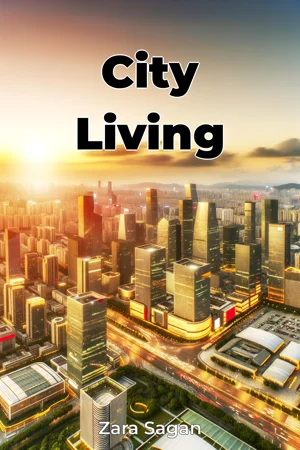
"City Living" offers a comprehensive exploration of urban existence, delving into the practicalities, challenges, and opportunities of metropolitan life in the 21st century. The book examines the intricate balance between urban infrastructure, socioeconomic dynamics, and environmental sustainability, providing readers with a holistic view of modern cities as complex ecosystems. Through a blend of historical context, case studies, and expert insights, the book traces the evolution of urban environments from ancient civilizations to today's megacities. It highlights how effective city living requires a delicate equilibrium between technological innovation, social cohesion, and environmental consciousness. The narrative progresses from fundamental urban concepts to physical aspects of city life, such as housing and transportation, before exploring social dynamics and future urban models. What sets "City Living" apart is its interdisciplinary approach, connecting urban studies with economics, environmental science, and public health. By combining academic rigor with real-world examples and personal narratives, the book offers valuable insights for urban professionals, policymakers, and curious city dwellers alike. It not only analyzes current urban challenges but also presents strategies for creating more livable, sustainable, and equitable urban environments in an era of rapid global urbanization.
Book Details
ISBN
9788233934491
Publisher
Publifye AS
Your Licenses
You don't own any licenses for this book
Purchase a license below to unlock this book and download the EPUB.
Purchase License
Select a tier to unlock this book
Need bulk licensing?
Contact us for enterprise agreements.