
About This Book
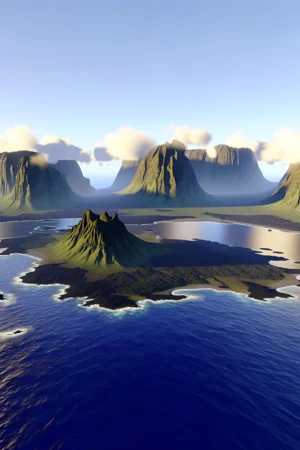
"Remote Islands: Exploring Earth's Most Isolated Ecosystems" opens with a provocative question: "What does it mean to be truly isolated in our interconnected world?" This book delves into the fascinating realm of the world's most remote islands, examining their unique ecosystems, geological features, and the challenges of human habitation in these extreme environments. The book primarily focuses on three key topics: the geographical and geological characteristics of remote islands, their distinct ecosystems and biodiversity, and the human impact on these isolated locations. These topics are crucial for understanding the delicate balance of life on Earth and the consequences of human intervention in even the most secluded places. To provide context, the book begins with an overview of island biogeography theory, explaining how isolation shapes evolution and biodiversity. It also touches on the historical significance of remote islands in exploration, scientific discovery, and geopolitics. This background sets the stage for a deeper exploration of the main subjects. The central argument of "Remote Islands" is that these isolated ecosystems serve as natural laboratories for studying evolution, climate change, and human adaptability. By examining these microcosms, we can gain valuable insights into global environmental processes and the resilience of life in extreme conditions. The book is structured in three main parts. The first introduces the concept of remoteness and provides criteria for identifying the world's most isolated islands. The second part explores specific case studies of remote islands, including their formation, unique flora and fauna, and geological features. The final section examines the challenges and opportunities these islands present for conservation, research, and sustainable human presence. To support its arguments, the book draws on a wide range of scientific studies, including geological surveys, biological inventories, and climate data. It also incorporates firsthand accounts from researchers, locals, and visitors to these remote locations, providing a multi-faceted perspective on island life. "Remote Islands" makes interdisciplinary connections between geology, ecology, and anthropology. It explores how the physical characteristics of islands influence their ecosystems and, in turn, how these factors affect human settlement and adaptation. The book also touches on the fields of climatology and oceanography, examining how remote islands both influence and are influenced by global climate patterns. The unique approach of this book lies in its comprehensive examination of remote islands as whole systems, rather than focusing solely on their biological or geological aspects. It presents a holistic view of these isolated ecosystems and their place in the global environment. Written in an accessible yet informative style, "Remote Islands" balances scientific rigor with engaging narratives. It aims to appeal to a broad audience, including environmental enthusiasts, students of earth sciences, and anyone fascinated by extreme habitats and the diversity of life on our planet. As a work in the Ecosystems & Habitats genre, the book provides detailed descriptions of various island environments, from volcanic archipelagos to coral atolls. It also incorporates elements of travel writing, offering vivid portrayals of these remote locations and the experiences of those who visit or inhabit them. While the book covers a wide range of remote islands globally, it acknowledges that its scope is limited to islands that are still accessible to researchers and have been studied to some extent. It does not claim to be an exhaustive catalog of every remote island on Earth. The practical applications of the information presented in "Remote Islands" are numerous. Readers will gain insights into conservation strategies for fragile ecosystems, understand the potential impacts of climate change on isolated environments, and learn about sustainable practices for living in remote locations. The book addresses ongoing debates in the field of island biogeography and conservation, including the controversy surrounding the introduction of non-native species to island ecosystems and the ethical considerations of human presence in these pristine environments. "Remote Islands: Exploring Earth's Most Isolated Ecosystems" offers a comprehensive and thought-provoking exploration of some of the world's least-known places. By examining these extreme examples of isolation, the book provides valuable insights into the interconnectedness of global ecosystems and the importance of preserving Earth's biodiversity.
"Remote Islands: Exploring Earth's Most Isolated Ecosystems" opens with a provocative question: "What does it mean to be truly isolated in our interconnected world?" This book delves into the fascinating realm of the world's most remote islands, examining their unique ecosystems, geological features, and the challenges of human habitation in these extreme environments. The book primarily focuses on three key topics: the geographical and geological characteristics of remote islands, their distinct ecosystems and biodiversity, and the human impact on these isolated locations. These topics are crucial for understanding the delicate balance of life on Earth and the consequences of human intervention in even the most secluded places. To provide context, the book begins with an overview of island biogeography theory, explaining how isolation shapes evolution and biodiversity. It also touches on the historical significance of remote islands in exploration, scientific discovery, and geopolitics. This background sets the stage for a deeper exploration of the main subjects. The central argument of "Remote Islands" is that these isolated ecosystems serve as natural laboratories for studying evolution, climate change, and human adaptability. By examining these microcosms, we can gain valuable insights into global environmental processes and the resilience of life in extreme conditions. The book is structured in three main parts. The first introduces the concept of remoteness and provides criteria for identifying the world's most isolated islands. The second part explores specific case studies of remote islands, including their formation, unique flora and fauna, and geological features. The final section examines the challenges and opportunities these islands present for conservation, research, and sustainable human presence. To support its arguments, the book draws on a wide range of scientific studies, including geological surveys, biological inventories, and climate data. It also incorporates firsthand accounts from researchers, locals, and visitors to these remote locations, providing a multi-faceted perspective on island life. "Remote Islands" makes interdisciplinary connections between geology, ecology, and anthropology. It explores how the physical characteristics of islands influence their ecosystems and, in turn, how these factors affect human settlement and adaptation. The book also touches on the fields of climatology and oceanography, examining how remote islands both influence and are influenced by global climate patterns. The unique approach of this book lies in its comprehensive examination of remote islands as whole systems, rather than focusing solely on their biological or geological aspects. It presents a holistic view of these isolated ecosystems and their place in the global environment. Written in an accessible yet informative style, "Remote Islands" balances scientific rigor with engaging narratives. It aims to appeal to a broad audience, including environmental enthusiasts, students of earth sciences, and anyone fascinated by extreme habitats and the diversity of life on our planet. As a work in the Ecosystems & Habitats genre, the book provides detailed descriptions of various island environments, from volcanic archipelagos to coral atolls. It also incorporates elements of travel writing, offering vivid portrayals of these remote locations and the experiences of those who visit or inhabit them. While the book covers a wide range of remote islands globally, it acknowledges that its scope is limited to islands that are still accessible to researchers and have been studied to some extent. It does not claim to be an exhaustive catalog of every remote island on Earth. The practical applications of the information presented in "Remote Islands" are numerous. Readers will gain insights into conservation strategies for fragile ecosystems, understand the potential impacts of climate change on isolated environments, and learn about sustainable practices for living in remote locations. The book addresses ongoing debates in the field of island biogeography and conservation, including the controversy surrounding the introduction of non-native species to island ecosystems and the ethical considerations of human presence in these pristine environments. "Remote Islands: Exploring Earth's Most Isolated Ecosystems" offers a comprehensive and thought-provoking exploration of some of the world's least-known places. By examining these extreme examples of isolation, the book provides valuable insights into the interconnectedness of global ecosystems and the importance of preserving Earth's biodiversity.
"Remote Islands: Exploring Earth's Most Isolated Ecosystems" delves into the fascinating world of Earth's most secluded islands, examining their unique geological features, biodiversity, and the challenges of human habitation. This comprehensive exploration presents remote islands as natural laboratories for studying evolution, climate change, and human adaptability, offering valuable insights into global environmental processes. The book is structured in three parts, beginning with an introduction to the concept of remoteness and criteria for identifying the world's most isolated islands. It then delves into specific case studies, examining island formation, unique flora and fauna, and geological characteristics. The final section explores the challenges and opportunities these islands present for conservation, research, and sustainable human presence. By combining scientific studies with firsthand accounts, the book provides a multi-faceted perspective on island life. What sets this book apart is its holistic approach, presenting remote islands as whole systems rather than focusing solely on biological or geological aspects. It balances scientific rigor with engaging narratives, making it accessible to a broad audience interested in environmental science, earth sciences, and extreme habitats. Through its exploration of these isolated ecosystems, the book highlights the interconnectedness of global environments and the importance of preserving Earth's biodiversity.
Book Details
ISBN
9788233934484
Publisher
Publifye AS
Your Licenses
You don't own any licenses for this book
Purchase a license below to unlock this book and download the EPUB.
Purchase License
Select a tier to unlock this book
Need bulk licensing?
Contact us for enterprise agreements.