
About This Book
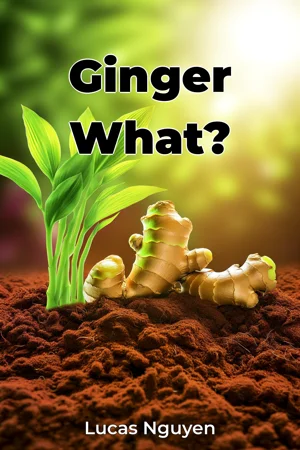
Have you ever wondered about the humble ginger root sitting in your spice cabinet? "Ginger What?" takes readers on a comprehensive journey through the world of ginger, exploring its culinary uses, cultivation methods, and health benefits. This book delves into the rich history and versatile applications of this aromatic rhizome, offering readers a deep understanding of ginger's significance in various aspects of our lives. The book covers three main topics: ginger in cuisine, ginger cultivation, and ginger as a medicinal plant. These topics are crucial for understanding the full spectrum of ginger's impact on human culture and health. By exploring these areas, readers will gain a holistic view of ginger's role in our world and how they can harness its potential in their own lives. To provide context, the book begins with an overview of ginger's 5,000-year history, tracing its origins in Southeast Asia and its spread across the globe through ancient trade routes. This background sets the stage for understanding ginger's cultural significance and its integration into various cuisines and traditional medicine systems worldwide. The central argument of "Ginger What?" is that ginger is a versatile and valuable plant with untapped potential in modern cuisine, agriculture, and healthcare. The book aims to demonstrate how a deeper understanding of ginger can enhance culinary experiences, promote sustainable farming practices, and improve personal health. The content is structured to guide readers through a logical progression of topics. It begins with an introduction to ginger's botanical characteristics and nutritional profile. The first major section explores ginger in cuisine, covering its use in various global culinary traditions, flavor pairings, and preservation methods. The second section focuses on ginger cultivation, detailing soil requirements, planting techniques, pest management, and harvesting methods. The third section examines ginger's medicinal properties, discussing its traditional uses, modern research findings, and potential applications in complementary medicine. To support its arguments, the book draws on a wide range of evidence, including historical records, botanical studies, culinary traditions, agricultural research, and clinical trials. It also incorporates interviews with chefs, farmers, and herbalists to provide real-world insights and practical knowledge. "Ginger What?" makes interdisciplinary connections between botany, gastronomy, and pharmacology. It explores how ginger's chemical compounds contribute to both its distinctive flavor and its medicinal properties, bridging the gap between culinary and scientific understanding. The book also examines the economic impact of ginger cultivation, linking agriculture to global trade and food security. The unique approach of this book lies in its comprehensive treatment of ginger across multiple disciplines. While many books focus solely on either culinary uses or medicinal properties, "Ginger What?" provides a holistic view that allows readers to appreciate the full scope of ginger's potential. Written in an accessible yet informative style, the book balances scientific accuracy with practical advice. It adopts a tone that is educational and engaging, making complex concepts understandable to a general audience while still providing depth for those seeking more detailed information. "Ginger What?" is targeted at home cooks, gardening enthusiasts, and health-conscious individuals looking to expand their knowledge of natural ingredients. It appeals to readers interested in exploring the connections between food, agriculture, and wellness. As a work of non-fiction combining elements of cooking and gardening literature, the book includes recipes, growing guides, and medicinal preparations. It also features detailed illustrations of ginger varieties and step-by-step photographs of culinary and cultivation techniques. While the book covers a broad range of topics related to ginger, it acknowledges its limitations in scope. It focuses primarily on the common culinary ginger (Zingiber officinale) rather than exploring all species within the Zingiberaceae family in depth. Readers can apply the knowledge gained from this book in various ways, such as incorporating ginger more effectively in their cooking, starting their own ginger cultivation projects, or using ginger-based remedies for common ailments. The book addresses ongoing debates in the field, such as the efficacy of ginger in treating specific health conditions and sustainable farming practices for ginger cultivation in different climates. "Ginger What?" provides a thorough and engaging exploration of ginger, offering readers a wealth of knowledge about this versatile plant. By examining ginger through multiple lenses, the book presents a compelling case for the continued importance and untapped potential of this ancient spice in our modern world.
Have you ever wondered about the humble ginger root sitting in your spice cabinet? "Ginger What?" takes readers on a comprehensive journey through the world of ginger, exploring its culinary uses, cultivation methods, and health benefits. This book delves into the rich history and versatile applications of this aromatic rhizome, offering readers a deep understanding of ginger's significance in various aspects of our lives. The book covers three main topics: ginger in cuisine, ginger cultivation, and ginger as a medicinal plant. These topics are crucial for understanding the full spectrum of ginger's impact on human culture and health. By exploring these areas, readers will gain a holistic view of ginger's role in our world and how they can harness its potential in their own lives. To provide context, the book begins with an overview of ginger's 5,000-year history, tracing its origins in Southeast Asia and its spread across the globe through ancient trade routes. This background sets the stage for understanding ginger's cultural significance and its integration into various cuisines and traditional medicine systems worldwide. The central argument of "Ginger What?" is that ginger is a versatile and valuable plant with untapped potential in modern cuisine, agriculture, and healthcare. The book aims to demonstrate how a deeper understanding of ginger can enhance culinary experiences, promote sustainable farming practices, and improve personal health. The content is structured to guide readers through a logical progression of topics. It begins with an introduction to ginger's botanical characteristics and nutritional profile. The first major section explores ginger in cuisine, covering its use in various global culinary traditions, flavor pairings, and preservation methods. The second section focuses on ginger cultivation, detailing soil requirements, planting techniques, pest management, and harvesting methods. The third section examines ginger's medicinal properties, discussing its traditional uses, modern research findings, and potential applications in complementary medicine. To support its arguments, the book draws on a wide range of evidence, including historical records, botanical studies, culinary traditions, agricultural research, and clinical trials. It also incorporates interviews with chefs, farmers, and herbalists to provide real-world insights and practical knowledge. "Ginger What?" makes interdisciplinary connections between botany, gastronomy, and pharmacology. It explores how ginger's chemical compounds contribute to both its distinctive flavor and its medicinal properties, bridging the gap between culinary and scientific understanding. The book also examines the economic impact of ginger cultivation, linking agriculture to global trade and food security. The unique approach of this book lies in its comprehensive treatment of ginger across multiple disciplines. While many books focus solely on either culinary uses or medicinal properties, "Ginger What?" provides a holistic view that allows readers to appreciate the full scope of ginger's potential. Written in an accessible yet informative style, the book balances scientific accuracy with practical advice. It adopts a tone that is educational and engaging, making complex concepts understandable to a general audience while still providing depth for those seeking more detailed information. "Ginger What?" is targeted at home cooks, gardening enthusiasts, and health-conscious individuals looking to expand their knowledge of natural ingredients. It appeals to readers interested in exploring the connections between food, agriculture, and wellness. As a work of non-fiction combining elements of cooking and gardening literature, the book includes recipes, growing guides, and medicinal preparations. It also features detailed illustrations of ginger varieties and step-by-step photographs of culinary and cultivation techniques. While the book covers a broad range of topics related to ginger, it acknowledges its limitations in scope. It focuses primarily on the common culinary ginger (Zingiber officinale) rather than exploring all species within the Zingiberaceae family in depth. Readers can apply the knowledge gained from this book in various ways, such as incorporating ginger more effectively in their cooking, starting their own ginger cultivation projects, or using ginger-based remedies for common ailments. The book addresses ongoing debates in the field, such as the efficacy of ginger in treating specific health conditions and sustainable farming practices for ginger cultivation in different climates. "Ginger What?" provides a thorough and engaging exploration of ginger, offering readers a wealth of knowledge about this versatile plant. By examining ginger through multiple lenses, the book presents a compelling case for the continued importance and untapped potential of this ancient spice in our modern world.
"Ginger What?" offers a comprehensive exploration of the versatile ginger root, delving into its culinary uses, cultivation methods, and health benefits. This engaging book traces ginger's 5,000-year history from Southeast Asia to its global spread, highlighting its significance in various cuisines and traditional medicine systems. Readers will discover intriguing facts about ginger's botanical characteristics and nutritional profile, as well as its potential in modern cuisine, sustainable agriculture, and healthcare. The book progresses through three main sections, each offering valuable insights. It begins with ginger's role in global culinary traditions, exploring flavor pairings and preservation techniques. The cultivation section provides detailed information on soil requirements, planting methods, and harvesting, appealing to gardening enthusiasts. Finally, the medicinal properties of ginger are examined, discussing both traditional uses and modern research findings. Throughout, "Ginger What?" balances scientific accuracy with practical advice, making it accessible to a general audience while still offering depth for those seeking detailed information. By combining elements of cooking and gardening literature with botanical study and herbal remedies, this book offers a unique, interdisciplinary approach to understanding ginger. It empowers readers to harness the full potential of this aromatic rhizome in their own lives, whether through cooking, growing, or exploring its health benefits.
Book Details
ISBN
9788233934392
Publisher
Publifye AS
Your Licenses
You don't own any licenses for this book
Purchase a license below to unlock this book and download the EPUB.
Purchase License
Select a tier to unlock this book
Need bulk licensing?
Contact us for enterprise agreements.