
About This Book
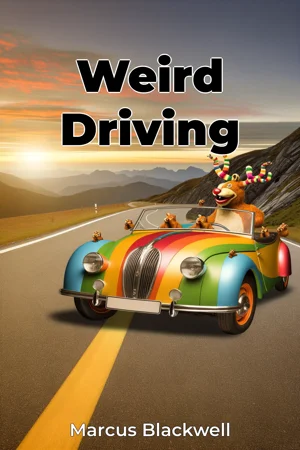
"Weird Driving" challenges readers to reconsider their understanding of traffic laws and driving culture around the world. Have you ever wondered why it's illegal to drive blindfolded in Alabama or why you can't eat while driving in Cyprus? This book delves into the peculiar, often humorous, and sometimes baffling world of international driving regulations and customs. The book explores three main topics: unusual traffic laws, strange driving customs, and quirky vehicle-related traditions. These topics are significant because they highlight the diversity of human cultures and legal systems, while also shedding light on the often-overlooked aspects of our daily commutes. To provide context, the book traces the evolution of driving laws from the advent of automobiles to the present day. It examines how cultural, historical, and environmental factors have shaped driving regulations in different parts of the world. Readers will gain insights into the complex interplay between law, culture, and technology in shaping our road experiences. The central argument of "Weird Driving" is that traffic laws and driving customs are not merely practical measures for ensuring safety, but also reflect the unique values, beliefs, and historical contexts of different societies. This perspective encourages readers to view driving as a cultural phenomenon rather than just a means of transportation. The book is structured into four main sections. The first introduces the concept of weird driving laws and customs. The second explores specific examples from various countries, grouped by themes such as animal-related laws or food-related regulations. The third section analyzes the reasons behind these unusual rules and traditions. The final part discusses the implications of these laws for international travelers and the future of driving in an increasingly globalized world. To support its arguments, the book draws on a wide range of sources, including official traffic codes, historical documents, interviews with local authorities and drivers, and academic studies on traffic psychology and cultural anthropology. The research methodology includes comparative legal analysis and ethnographic observations from different countries. "Weird Driving" connects to fields such as cultural studies, law, and psychology. It examines how driving regulations reflect broader cultural values and social norms. The book also explores the psychological impact of unusual traffic laws on driver behavior and safety. What sets this book apart is its comprehensive global perspective and its blend of serious analysis with humorous anecdotes. It challenges readers to think critically about the rules they follow on the road and why they exist. The writing style is informative yet engaging, balancing academic rigor with accessible language and entertaining examples. This approach makes complex legal and cultural concepts understandable to a general audience while maintaining intellectual depth. "Weird Driving" is aimed at a broad audience, including travel enthusiasts, legal professionals, cultural studies scholars, and anyone interested in the quirks of human behavior. It offers valuable insights for international travelers, policymakers, and researchers in transportation and cultural studies. As a work of reference and travel literature, the book provides detailed information about driving laws in various countries, serving as both a practical guide and a source of entertainment. It includes maps, infographics, and photographs to illustrate key points and enhance reader engagement. While the book covers a wide range of countries and cultures, it acknowledges that it cannot be exhaustive. It focuses primarily on passenger vehicles and does not delve deeply into commercial driving regulations. Readers can apply the knowledge gained from this book to navigate unfamiliar driving environments when traveling abroad, avoid unintentional legal infractions, and gain a deeper appreciation for cultural differences in everyday activities. The book addresses ongoing debates about the standardization of traffic laws across countries and the challenges of adapting autonomous vehicles to diverse legal and cultural contexts. "Weird Driving" offers a unique lens through which to view the intersection of law, culture, and technology, providing readers with a newfound appreciation for the complexities and curiosities of global driving practices.
"Weird Driving" challenges readers to reconsider their understanding of traffic laws and driving culture around the world. Have you ever wondered why it's illegal to drive blindfolded in Alabama or why you can't eat while driving in Cyprus? This book delves into the peculiar, often humorous, and sometimes baffling world of international driving regulations and customs. The book explores three main topics: unusual traffic laws, strange driving customs, and quirky vehicle-related traditions. These topics are significant because they highlight the diversity of human cultures and legal systems, while also shedding light on the often-overlooked aspects of our daily commutes. To provide context, the book traces the evolution of driving laws from the advent of automobiles to the present day. It examines how cultural, historical, and environmental factors have shaped driving regulations in different parts of the world. Readers will gain insights into the complex interplay between law, culture, and technology in shaping our road experiences. The central argument of "Weird Driving" is that traffic laws and driving customs are not merely practical measures for ensuring safety, but also reflect the unique values, beliefs, and historical contexts of different societies. This perspective encourages readers to view driving as a cultural phenomenon rather than just a means of transportation. The book is structured into four main sections. The first introduces the concept of weird driving laws and customs. The second explores specific examples from various countries, grouped by themes such as animal-related laws or food-related regulations. The third section analyzes the reasons behind these unusual rules and traditions. The final part discusses the implications of these laws for international travelers and the future of driving in an increasingly globalized world. To support its arguments, the book draws on a wide range of sources, including official traffic codes, historical documents, interviews with local authorities and drivers, and academic studies on traffic psychology and cultural anthropology. The research methodology includes comparative legal analysis and ethnographic observations from different countries. "Weird Driving" connects to fields such as cultural studies, law, and psychology. It examines how driving regulations reflect broader cultural values and social norms. The book also explores the psychological impact of unusual traffic laws on driver behavior and safety. What sets this book apart is its comprehensive global perspective and its blend of serious analysis with humorous anecdotes. It challenges readers to think critically about the rules they follow on the road and why they exist. The writing style is informative yet engaging, balancing academic rigor with accessible language and entertaining examples. This approach makes complex legal and cultural concepts understandable to a general audience while maintaining intellectual depth. "Weird Driving" is aimed at a broad audience, including travel enthusiasts, legal professionals, cultural studies scholars, and anyone interested in the quirks of human behavior. It offers valuable insights for international travelers, policymakers, and researchers in transportation and cultural studies. As a work of reference and travel literature, the book provides detailed information about driving laws in various countries, serving as both a practical guide and a source of entertainment. It includes maps, infographics, and photographs to illustrate key points and enhance reader engagement. While the book covers a wide range of countries and cultures, it acknowledges that it cannot be exhaustive. It focuses primarily on passenger vehicles and does not delve deeply into commercial driving regulations. Readers can apply the knowledge gained from this book to navigate unfamiliar driving environments when traveling abroad, avoid unintentional legal infractions, and gain a deeper appreciation for cultural differences in everyday activities. The book addresses ongoing debates about the standardization of traffic laws across countries and the challenges of adapting autonomous vehicles to diverse legal and cultural contexts. "Weird Driving" offers a unique lens through which to view the intersection of law, culture, and technology, providing readers with a newfound appreciation for the complexities and curiosities of global driving practices.
"Weird Driving" takes readers on a fascinating journey through the world's most unusual traffic laws and driving customs. This unique travel reference explores the quirky, often humorous, and sometimes baffling regulations that govern our roads across the globe. From the prohibition of driving blindfolded in Alabama to the ban on eating while driving in Cyprus, the book uncovers a wealth of strange vehicular traditions that reflect the diverse cultural, historical, and environmental factors shaping our driving experiences. The book is structured into four main sections, progressing from an introduction to weird driving laws and customs to specific examples grouped by themes, followed by an analysis of the reasons behind these rules, and concluding with their implications for international travelers. By examining the evolution of driving laws since the advent of automobiles, "Weird Driving" argues that traffic regulations are not merely practical safety measures but windows into the unique values and beliefs of different societies. This perspective encourages readers to view driving as a cultural phenomenon, offering insights into the complex interplay between law, culture, and technology on our roads. What sets this book apart is its blend of serious analysis and entertaining anecdotes, making it an invaluable resource for travel enthusiasts, legal professionals, and cultural studies scholars alike. With its accessible language and engaging style, "Weird Driving" challenges readers to think critically about the rules they follow on the road, providing a newfound appreciation for the complexities and curiosities of global driving practices.
Book Details
ISBN
9788233934378
Publisher
Publifye AS
Your Licenses
You don't own any licenses for this book
Purchase a license below to unlock this book and download the EPUB.
Purchase License
Select a tier to unlock this book
Need bulk licensing?
Contact us for enterprise agreements.