
About This Book
"What does it truly mean to live in rural areas, and how do these unique environments shape the lives of their inhabitants?" This question forms the cornerstone of "Rural Living," a comprehensive exploration of life beyond urban boundaries. The book delves into the intricate tapestry of rural existence, combining social science insights with real-life adventures to paint a vivid picture of a lifestyle often overlooked in our increasingly urbanized world. "Rural Living" addresses three key topics: the economic structures of rural communities, the social dynamics that define rural life, and the environmental challenges and opportunities unique to these areas. These topics are crucial for understanding the complex realities of rural living and its significance in the broader context of national and global development. To provide context, the book traces the historical evolution of rural areas from primarily agrarian societies to the diverse economic landscapes they represent today. It examines how technological advancements, globalization, and changing demographics have reshaped rural communities over the past century. This background sets the stage for readers to grasp the current state of rural living and its future trajectory. The central argument of "Rural Living" is that rural areas are not mere remnants of the past but dynamic, evolving spaces that play a vital role in national economies, cultural preservation, and environmental stewardship. The book contends that understanding and supporting rural communities is essential for achieving balanced and sustainable development at local, national, and global levels. Structured in three main parts, the book first introduces the core concepts of rurality and its various definitions across different cultures and geographies. The second part delves into the major aspects of rural life, including economic activities, social structures, and environmental interactions. The final section explores the challenges facing rural areas and potential solutions, culminating in a discussion of the future of rural living in an increasingly interconnected world. To support its arguments, "Rural Living" draws on a wide range of evidence, including demographic data, economic statistics, sociological studies, and environmental research. The book also incorporates case studies from diverse rural settings around the world, providing a comparative perspective on rural experiences. Interdisciplinary connections are a key feature of "Rural Living." The book links rural studies with economics, examining how rural economies interact with and contribute to national and global markets. It also explores the intersection of rural life with environmental science, discussing how rural communities both impact and are impacted by their natural surroundings. Additionally, the book connects rural studies with cultural anthropology, analyzing how rural traditions and ways of life contribute to cultural diversity. What sets "Rural Living" apart is its holistic approach to rural studies. Rather than focusing solely on agricultural aspects, the book presents a multifaceted view of rural life, encompassing diverse economic activities, social structures, and environmental contexts. This approach challenges common stereotypes about rural areas and presents a more nuanced understanding of rural realities. The book adopts a balanced tone, combining academic rigor with accessible language and engaging narratives. It aims to appeal to a broad audience, including students of social sciences, policymakers, rural development practitioners, and general readers interested in understanding life beyond urban centers. "Rural Living" is particularly relevant for those involved in rural development, environmental conservation, and social policy. It provides valuable insights for individuals considering a move to rural areas, as well as urban dwellers seeking to understand the complexities of rural life. While the book provides a comprehensive overview of rural living, it acknowledges the limitations in capturing the full diversity of rural experiences worldwide. It focuses primarily on patterns and trends observed in developed and developing countries, with an emphasis on how these can inform global understanding of rural issues. Practical applications of the book's content include guidance for rural development initiatives, strategies for sustainable rural tourism, and approaches to bridging the urban-rural divide in policy-making. It also offers insights for individuals looking to adapt to rural life or start businesses in rural areas. "Rural Living" addresses ongoing debates in rural studies, such as the impact of urbanization on rural areas, the role of technology in rural development, and the balance between conservation and economic growth in rural settings. By presenting multiple perspectives on these issues, the book encourages readers to engage critically with the complexities of rural development. In essence, "Rural Living" offers a compelling journey into the heart of rural existence, challenging preconceptions and illuminating the vital role of rural areas in our world. It presents a balanced, informative, and thought-provoking exploration of rural life, inviting readers to reconsider the significance of these often-overlooked spaces in our collective future.
"What does it truly mean to live in rural areas, and how do these unique environments shape the lives of their inhabitants?" This question forms the cornerstone of "Rural Living," a comprehensive exploration of life beyond urban boundaries. The book delves into the intricate tapestry of rural existence, combining social science insights with real-life adventures to paint a vivid picture of a lifestyle often overlooked in our increasingly urbanized world. "Rural Living" addresses three key topics: the economic structures of rural communities, the social dynamics that define rural life, and the environmental challenges and opportunities unique to these areas. These topics are crucial for understanding the complex realities of rural living and its significance in the broader context of national and global development. To provide context, the book traces the historical evolution of rural areas from primarily agrarian societies to the diverse economic landscapes they represent today. It examines how technological advancements, globalization, and changing demographics have reshaped rural communities over the past century. This background sets the stage for readers to grasp the current state of rural living and its future trajectory. The central argument of "Rural Living" is that rural areas are not mere remnants of the past but dynamic, evolving spaces that play a vital role in national economies, cultural preservation, and environmental stewardship. The book contends that understanding and supporting rural communities is essential for achieving balanced and sustainable development at local, national, and global levels. Structured in three main parts, the book first introduces the core concepts of rurality and its various definitions across different cultures and geographies. The second part delves into the major aspects of rural life, including economic activities, social structures, and environmental interactions. The final section explores the challenges facing rural areas and potential solutions, culminating in a discussion of the future of rural living in an increasingly interconnected world. To support its arguments, "Rural Living" draws on a wide range of evidence, including demographic data, economic statistics, sociological studies, and environmental research. The book also incorporates case studies from diverse rural settings around the world, providing a comparative perspective on rural experiences. Interdisciplinary connections are a key feature of "Rural Living." The book links rural studies with economics, examining how rural economies interact with and contribute to national and global markets. It also explores the intersection of rural life with environmental science, discussing how rural communities both impact and are impacted by their natural surroundings. Additionally, the book connects rural studies with cultural anthropology, analyzing how rural traditions and ways of life contribute to cultural diversity. What sets "Rural Living" apart is its holistic approach to rural studies. Rather than focusing solely on agricultural aspects, the book presents a multifaceted view of rural life, encompassing diverse economic activities, social structures, and environmental contexts. This approach challenges common stereotypes about rural areas and presents a more nuanced understanding of rural realities. The book adopts a balanced tone, combining academic rigor with accessible language and engaging narratives. It aims to appeal to a broad audience, including students of social sciences, policymakers, rural development practitioners, and general readers interested in understanding life beyond urban centers. "Rural Living" is particularly relevant for those involved in rural development, environmental conservation, and social policy. It provides valuable insights for individuals considering a move to rural areas, as well as urban dwellers seeking to understand the complexities of rural life. While the book provides a comprehensive overview of rural living, it acknowledges the limitations in capturing the full diversity of rural experiences worldwide. It focuses primarily on patterns and trends observed in developed and developing countries, with an emphasis on how these can inform global understanding of rural issues. Practical applications of the book's content include guidance for rural development initiatives, strategies for sustainable rural tourism, and approaches to bridging the urban-rural divide in policy-making. It also offers insights for individuals looking to adapt to rural life or start businesses in rural areas. "Rural Living" addresses ongoing debates in rural studies, such as the impact of urbanization on rural areas, the role of technology in rural development, and the balance between conservation and economic growth in rural settings. By presenting multiple perspectives on these issues, the book encourages readers to engage critically with the complexities of rural development. In essence, "Rural Living" offers a compelling journey into the heart of rural existence, challenging preconceptions and illuminating the vital role of rural areas in our world. It presents a balanced, informative, and thought-provoking exploration of rural life, inviting readers to reconsider the significance of these often-overlooked spaces in our collective future.
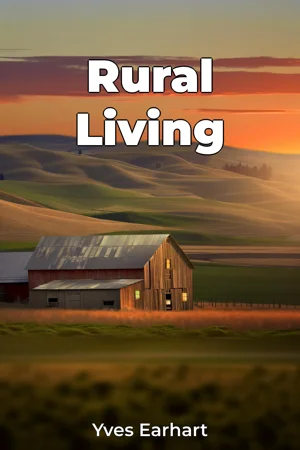
"Rural Living" offers a comprehensive exploration of life beyond urban boundaries, delving into the intricate tapestry of rural existence. This insightful book examines the economic structures, social dynamics, and environmental challenges unique to rural areas, challenging common stereotypes and presenting a nuanced understanding of rural realities. It argues that rural communities are not remnants of the past, but dynamic spaces vital to national economies, cultural preservation, and environmental stewardship. The book traces the historical evolution of rural areas from agrarian societies to diverse economic landscapes, highlighting how technological advancements and globalization have reshaped these communities. It addresses ongoing debates such as the impact of urbanization on rural areas and the balance between conservation and economic growth. Through case studies from various rural settings worldwide, "Rural Living" provides a comparative perspective on rural experiences, linking rural studies with economics, environmental science, and cultural anthropology. Structured in three parts, the book progresses from introducing core concepts of rurality to exploring major aspects of rural life, and finally examining challenges and potential solutions for rural areas. Its holistic approach and accessible language make it valuable for students, policymakers, and anyone interested in understanding the complexities of rural life and its significance in achieving balanced, sustainable development at local, national, and global levels.
Book Details
ISBN
9788233934354
Publisher
Publifye AS
Your Licenses
You don't own any licenses for this book
Purchase a license below to unlock this book and download the EPUB.
Purchase License
Select a tier to unlock this book
Need bulk licensing?
Contact us for enterprise agreements.