
About This Book
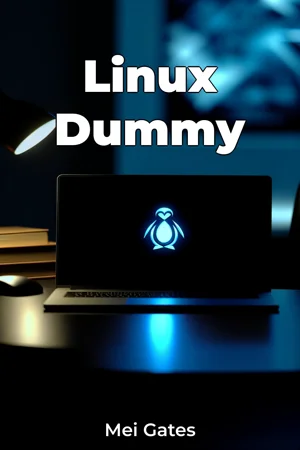
"Linux Dummy" opens with a provocative question: "What if you could have a powerful, free operating system at your fingertips?" This book demystifies Linux, the open-source operating system that powers much of the internet and countless devices worldwide, making it accessible to everyday users. The book covers three main topics: the fundamentals of Linux, its practical applications for non-technical users, and essential tools for productivity. These topics are crucial for readers looking to expand their technological horizons, enhance their digital privacy, or simply explore alternatives to mainstream operating systems. To provide context, the book delves into the history of Linux, tracing its roots back to the early 1990s when Linus Torvalds created it as a free, open-source alternative to proprietary systems. It explains the philosophy behind open-source software and how it has shaped the modern digital landscape. Readers are introduced to basic computing concepts, ensuring that even those with limited technical background can follow along. The central argument of "Linux Dummy" is that Linux is not just for tech enthusiasts or programmers, but a viable and often superior option for everyday computer users. The book asserts that by learning Linux, readers can gain more control over their digital lives, enhance their privacy, and access a vast ecosystem of free, powerful software. Structurally, the book begins by introducing Linux and its various distributions (distros). It then guides readers through the installation process, basic system navigation, and command-line interface usage. The middle sections focus on practical applications, such as web browsing, office productivity, and multimedia management. The book culminates with advanced topics like system administration and networking, before discussing the broader implications of open-source software adoption. To support its arguments, "Linux Dummy" draws on case studies of successful Linux implementations in various sectors, from education to business. It also incorporates user testimonials and performance comparisons with other operating systems, providing readers with concrete evidence of Linux's capabilities. The book makes interdisciplinary connections to fields such as cybersecurity, highlighting Linux's robust security features; software development, explaining how Linux fosters innovation; and digital ethics, discussing the importance of software freedom and privacy. What sets "Linux Dummy" apart is its approach to teaching Linux through real-world scenarios and hands-on exercises. Instead of dry technical explanations, it uses relatable examples and step-by-step tutorials to help readers gain practical skills. Written in a conversational yet informative tone, the book strikes a balance between accessibility and depth. It avoids jargon where possible, and when technical terms are necessary, they are clearly explained in context. The target audience includes curious computer users, students, professionals seeking to enhance their tech skills, and anyone interested in exploring alternatives to mainstream operating systems. The book appeals to this diverse readership by emphasizing the practical benefits of Linux in various personal and professional contexts. As a work in the Computers and Information Technology genre, "Linux Dummy" adheres to conventions such as including code snippets, screenshots, and troubleshooting guides. It also features sidebars with tips, warnings, and interesting facts to enhance the learning experience. While comprehensive in its coverage of Linux for beginners and intermediate users, the book acknowledges its limitations. It does not delve into advanced topics like kernel development or enterprise-level system administration, instead focusing on making Linux accessible to the average user. The real-world applications discussed in the book range from setting up a home media server to using Linux for enhanced online privacy. It also explores how Linux skills can be leveraged in various professions, from data analysis to web development. "Linux Dummy" addresses ongoing debates in the tech community, such as the merits of open-source vs. proprietary software, and the role of Linux in the future of computing. It presents balanced arguments, allowing readers to form their own informed opinions. By the end of the book, readers will have a solid foundation in Linux usage, understand its significance in the broader technological landscape, and be equipped with the knowledge to continue their Linux journey confidently.
"Linux Dummy" opens with a provocative question: "What if you could have a powerful, free operating system at your fingertips?" This book demystifies Linux, the open-source operating system that powers much of the internet and countless devices worldwide, making it accessible to everyday users. The book covers three main topics: the fundamentals of Linux, its practical applications for non-technical users, and essential tools for productivity. These topics are crucial for readers looking to expand their technological horizons, enhance their digital privacy, or simply explore alternatives to mainstream operating systems. To provide context, the book delves into the history of Linux, tracing its roots back to the early 1990s when Linus Torvalds created it as a free, open-source alternative to proprietary systems. It explains the philosophy behind open-source software and how it has shaped the modern digital landscape. Readers are introduced to basic computing concepts, ensuring that even those with limited technical background can follow along. The central argument of "Linux Dummy" is that Linux is not just for tech enthusiasts or programmers, but a viable and often superior option for everyday computer users. The book asserts that by learning Linux, readers can gain more control over their digital lives, enhance their privacy, and access a vast ecosystem of free, powerful software. Structurally, the book begins by introducing Linux and its various distributions (distros). It then guides readers through the installation process, basic system navigation, and command-line interface usage. The middle sections focus on practical applications, such as web browsing, office productivity, and multimedia management. The book culminates with advanced topics like system administration and networking, before discussing the broader implications of open-source software adoption. To support its arguments, "Linux Dummy" draws on case studies of successful Linux implementations in various sectors, from education to business. It also incorporates user testimonials and performance comparisons with other operating systems, providing readers with concrete evidence of Linux's capabilities. The book makes interdisciplinary connections to fields such as cybersecurity, highlighting Linux's robust security features; software development, explaining how Linux fosters innovation; and digital ethics, discussing the importance of software freedom and privacy. What sets "Linux Dummy" apart is its approach to teaching Linux through real-world scenarios and hands-on exercises. Instead of dry technical explanations, it uses relatable examples and step-by-step tutorials to help readers gain practical skills. Written in a conversational yet informative tone, the book strikes a balance between accessibility and depth. It avoids jargon where possible, and when technical terms are necessary, they are clearly explained in context. The target audience includes curious computer users, students, professionals seeking to enhance their tech skills, and anyone interested in exploring alternatives to mainstream operating systems. The book appeals to this diverse readership by emphasizing the practical benefits of Linux in various personal and professional contexts. As a work in the Computers and Information Technology genre, "Linux Dummy" adheres to conventions such as including code snippets, screenshots, and troubleshooting guides. It also features sidebars with tips, warnings, and interesting facts to enhance the learning experience. While comprehensive in its coverage of Linux for beginners and intermediate users, the book acknowledges its limitations. It does not delve into advanced topics like kernel development or enterprise-level system administration, instead focusing on making Linux accessible to the average user. The real-world applications discussed in the book range from setting up a home media server to using Linux for enhanced online privacy. It also explores how Linux skills can be leveraged in various professions, from data analysis to web development. "Linux Dummy" addresses ongoing debates in the tech community, such as the merits of open-source vs. proprietary software, and the role of Linux in the future of computing. It presents balanced arguments, allowing readers to form their own informed opinions. By the end of the book, readers will have a solid foundation in Linux usage, understand its significance in the broader technological landscape, and be equipped with the knowledge to continue their Linux journey confidently.
"Linux Dummy" demystifies the powerful, open-source operating system that powers much of the internet and countless devices worldwide. This beginner-friendly guide takes readers on a journey from Linux fundamentals to practical applications, making it accessible to everyday users seeking to expand their technological horizons or enhance digital privacy. The book traces Linux's history from its creation by Linus Torvalds in the early 1990s, explaining the philosophy behind open-source software and its impact on the modern digital landscape. It argues that Linux is not just for tech enthusiasts but a viable option for all computer users, offering more control over digital lives and access to a vast ecosystem of free, powerful software. Through real-world scenarios and hands-on exercises, readers learn essential skills like system navigation, command-line interface usage, and basic system administration. Progressing from installation and basic usage to more advanced topics, "Linux Dummy" covers web browsing, office productivity, and multimedia management. It emphasizes practical benefits in various personal and professional contexts, using relatable examples and step-by-step tutorials to help readers gain confidence in their Linux skills. By the end, readers will have a solid foundation in Linux usage and understand its significance in the broader technological landscape.
Book Details
ISBN
9788233934330
Publisher
Publifye AS
Your Licenses
You don't own any licenses for this book
Purchase a license below to unlock this book and download the EPUB.
Purchase License
Select a tier to unlock this book
Need bulk licensing?
Contact us for enterprise agreements.