
About This Book
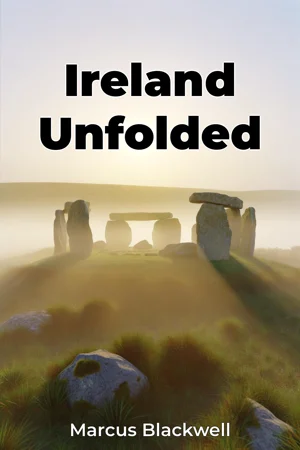
"Ireland Unfolded: All things Ireland you may not know and should need to know" invites readers on a captivating journey through the lesser-known facets of Irish history, culture, and contemporary society. From ancient Celtic traditions to modern economic transformations, this book peels back the layers of Ireland's complex identity, revealing insights that challenge common perceptions and enrich our understanding of this multifaceted island nation. The book explores three main topics: Ireland's hidden historical narratives, its evolving cultural landscape, and its role in the global economy. These themes are crucial for readers seeking a deeper, more nuanced comprehension of Ireland beyond stereotypes and surface-level tourism. By examining these areas, the book provides a framework for understanding Ireland's past influences, present challenges, and future trajectories. To contextualize these topics, "Ireland Unfolded" begins with an overview of Irish geography and early history, including the impact of the island's isolation on its development and the waves of invasion and settlement that shaped its population. This background is essential for readers to grasp the complexities of Irish identity and the historical forces that continue to influence modern Ireland. The central argument of the book posits that Ireland's global significance is often underestimated, and that a comprehensive understanding of the country is vital for anyone interested in world history, cultural studies, or international relations. This thesis is supported through an exploration of Ireland's outsized impact on literature, politics, and economic systems, demonstrating how this small island has played a pivotal role in shaping global events and ideas. Structurally, the book is divided into three main sections. The first delves into hidden historical narratives, uncovering lesser-known events and figures that have shaped Irish history. The second section examines Ireland's cultural evolution, tracing the transformation of traditional practices and the emergence of new cultural forms. The final section analyzes Ireland's economic journey, from agrarian society to "Celtic Tiger" and beyond, exploring its current position in the global economy. To support its arguments, "Ireland Unfolded" draws on a wide range of primary and secondary sources, including archaeological evidence, historical documents, oral histories, and contemporary economic data. The book also incorporates insights from Irish studies scholars, economists, and cultural anthropologists to provide a multifaceted perspective on the topics discussed. The interdisciplinary nature of the book is evident in its connections to fields such as anthropology, economics, and literature. By linking Irish studies to these disciplines, the book offers a holistic view of Ireland's place in the world and demonstrates the relevance of Irish experiences to broader global patterns and trends. One unique aspect of "Ireland Unfolded" is its approach to challenging common myths and misconceptions about Ireland. The book critically examines popular narratives and presents evidence-based counterpoints, encouraging readers to reconsider their preconceptions and develop a more nuanced understanding of Irish history and culture. Written in an accessible yet scholarly tone, the book blends academic rigor with engaging storytelling. This approach makes complex historical and cultural concepts understandable to a general audience while maintaining the depth and accuracy expected by more knowledgeable readers. The target audience for "Ireland Unfolded" includes students of Irish studies, history enthusiasts, travelers seeking a deeper understanding of Ireland, and anyone interested in exploring the hidden dimensions of a country often reduced to stereotypes. The book's comprehensive coverage and fresh insights make it valuable for both newcomers to Irish studies and those with prior knowledge seeking to expand their understanding. While the book covers a broad range of topics, it acknowledges its limitations in scope. It focuses primarily on the Republic of Ireland, with some discussion of Northern Ireland where relevant to the overall narrative. The book also prioritizes depth over exhaustive coverage, selecting key examples and case studies to illustrate broader trends and patterns. Readers can apply the knowledge gained from "Ireland Unfolded" in various ways, from enhancing their travel experiences in Ireland to gaining new perspectives on global historical events influenced by Irish factors. The book also provides context for understanding contemporary Irish politics and social issues, enabling readers to engage more meaningfully with current events in Ireland and its diaspora communities. "Ireland Unfolded" addresses ongoing debates in Irish studies, such as the nature of Irish identity in a globalized world and the long-term impacts of historical events like the Great Famine. By presenting multiple viewpoints and the latest research, the book contributes to these scholarly discussions while making them accessible to a wider audience. In sum, "Ireland Unfolded" offers a comprehensive, insightful, and engaging exploration of Ireland's hidden histories, evolving culture, and global significance. It challenges readers to look beyond the surface and discover the complex realities of this influential island nation.
"Ireland Unfolded: All things Ireland you may not know and should need to know" invites readers on a captivating journey through the lesser-known facets of Irish history, culture, and contemporary society. From ancient Celtic traditions to modern economic transformations, this book peels back the layers of Ireland's complex identity, revealing insights that challenge common perceptions and enrich our understanding of this multifaceted island nation. The book explores three main topics: Ireland's hidden historical narratives, its evolving cultural landscape, and its role in the global economy. These themes are crucial for readers seeking a deeper, more nuanced comprehension of Ireland beyond stereotypes and surface-level tourism. By examining these areas, the book provides a framework for understanding Ireland's past influences, present challenges, and future trajectories. To contextualize these topics, "Ireland Unfolded" begins with an overview of Irish geography and early history, including the impact of the island's isolation on its development and the waves of invasion and settlement that shaped its population. This background is essential for readers to grasp the complexities of Irish identity and the historical forces that continue to influence modern Ireland. The central argument of the book posits that Ireland's global significance is often underestimated, and that a comprehensive understanding of the country is vital for anyone interested in world history, cultural studies, or international relations. This thesis is supported through an exploration of Ireland's outsized impact on literature, politics, and economic systems, demonstrating how this small island has played a pivotal role in shaping global events and ideas. Structurally, the book is divided into three main sections. The first delves into hidden historical narratives, uncovering lesser-known events and figures that have shaped Irish history. The second section examines Ireland's cultural evolution, tracing the transformation of traditional practices and the emergence of new cultural forms. The final section analyzes Ireland's economic journey, from agrarian society to "Celtic Tiger" and beyond, exploring its current position in the global economy. To support its arguments, "Ireland Unfolded" draws on a wide range of primary and secondary sources, including archaeological evidence, historical documents, oral histories, and contemporary economic data. The book also incorporates insights from Irish studies scholars, economists, and cultural anthropologists to provide a multifaceted perspective on the topics discussed. The interdisciplinary nature of the book is evident in its connections to fields such as anthropology, economics, and literature. By linking Irish studies to these disciplines, the book offers a holistic view of Ireland's place in the world and demonstrates the relevance of Irish experiences to broader global patterns and trends. One unique aspect of "Ireland Unfolded" is its approach to challenging common myths and misconceptions about Ireland. The book critically examines popular narratives and presents evidence-based counterpoints, encouraging readers to reconsider their preconceptions and develop a more nuanced understanding of Irish history and culture. Written in an accessible yet scholarly tone, the book blends academic rigor with engaging storytelling. This approach makes complex historical and cultural concepts understandable to a general audience while maintaining the depth and accuracy expected by more knowledgeable readers. The target audience for "Ireland Unfolded" includes students of Irish studies, history enthusiasts, travelers seeking a deeper understanding of Ireland, and anyone interested in exploring the hidden dimensions of a country often reduced to stereotypes. The book's comprehensive coverage and fresh insights make it valuable for both newcomers to Irish studies and those with prior knowledge seeking to expand their understanding. While the book covers a broad range of topics, it acknowledges its limitations in scope. It focuses primarily on the Republic of Ireland, with some discussion of Northern Ireland where relevant to the overall narrative. The book also prioritizes depth over exhaustive coverage, selecting key examples and case studies to illustrate broader trends and patterns. Readers can apply the knowledge gained from "Ireland Unfolded" in various ways, from enhancing their travel experiences in Ireland to gaining new perspectives on global historical events influenced by Irish factors. The book also provides context for understanding contemporary Irish politics and social issues, enabling readers to engage more meaningfully with current events in Ireland and its diaspora communities. "Ireland Unfolded" addresses ongoing debates in Irish studies, such as the nature of Irish identity in a globalized world and the long-term impacts of historical events like the Great Famine. By presenting multiple viewpoints and the latest research, the book contributes to these scholarly discussions while making them accessible to a wider audience. In sum, "Ireland Unfolded" offers a comprehensive, insightful, and engaging exploration of Ireland's hidden histories, evolving culture, and global significance. It challenges readers to look beyond the surface and discover the complex realities of this influential island nation.
"Ireland Unfolded" takes readers on a captivating journey through the lesser-known aspects of Irish history, culture, and society. This comprehensive exploration challenges common perceptions and reveals the multifaceted nature of Ireland's identity. The book's main argument emphasizes Ireland's often underestimated global significance, highlighting its outsized impact on literature, politics, and economic systems. Divided into three sections, the book delves into hidden historical narratives, examines cultural evolution, and analyzes Ireland's economic journey from agrarian society to "Celtic Tiger." It uncovers intriguing facts, such as the influence of Ireland's geographical isolation on its development and the waves of invasion that shaped its population. The interdisciplinary approach connects Irish studies to anthropology, economics, and literature, offering a holistic view of Ireland's place in the world. One of the book's unique features is its myth-busting approach, critically examining popular narratives and presenting evidence-based counterpoints. By blending academic rigor with engaging storytelling, "Ireland Unfolded" makes complex concepts accessible to a general audience while maintaining depth for knowledgeable readers. This comprehensive coverage and fresh insights make it an invaluable resource for students, history enthusiasts, and travelers seeking a deeper understanding of Ireland's hidden dimensions and global influence.
Book Details
ISBN
9788233934323
Publisher
Publifye AS
Your Licenses
You don't own any licenses for this book
Purchase a license below to unlock this book and download the EPUB.
Purchase License
Select a tier to unlock this book
Need bulk licensing?
Contact us for enterprise agreements.