
About This Book
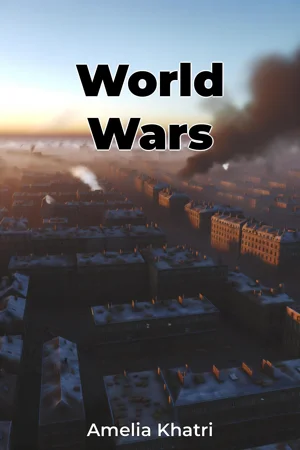
"World Wars" opens with a provocative question: How did humanity's deadliest conflicts arise from the complex web of international relations? This book delves deep into the origins, progression, and consequences of the two most devastating global conflicts in human history. The central focus of "World Wars" is twofold: the intricate causes that led to these massive conflicts and the strategic decisions that shaped their outcomes. These topics are crucial for understanding not only the past but also the present geopolitical landscape and potential future conflicts. To fully grasp the significance of the World Wars, readers are provided with essential context on early 20th-century geopolitics, including the rise of nationalism, imperialism, and militarism. The book explores the balance of power in Europe, colonial ambitions, and technological advancements that set the stage for unprecedented warfare. The main argument of "World Wars" is that these conflicts were not inevitable but rather the result of a series of political miscalculations, diplomatic failures, and societal pressures. Understanding these factors is key to preventing future global conflicts and maintaining international stability. The book is structured chronologically, beginning with the pre-war tensions leading up to World War I. It then examines the war itself, focusing on major battles, technological innovations, and the war's impact on societies. The interwar period is analyzed, highlighting the seeds of discontent that led to World War II. The second half of the book covers World War II, its global reach, and its profound effects on the post-war world order. To support its arguments, "World Wars" draws on a wide range of primary sources, including diplomatic correspondence, military records, and personal accounts from soldiers and civilians. The book also incorporates recent historical research and declassified documents, providing fresh insights into long-debated aspects of the conflicts. The interdisciplinary nature of "World Wars" is evident in its connections to fields such as political science, economics, and social psychology. The book examines how economic factors influenced war strategies, and how propaganda and mass psychology shaped public opinion and support for the war efforts. What sets "World Wars" apart is its comprehensive approach to analyzing these conflicts. Rather than focusing solely on military aspects, the book provides a holistic view that includes diplomatic, economic, social, and technological dimensions. This multifaceted analysis offers readers a nuanced understanding of how wars of such magnitude came to be and how they transformed the world. The writing style of "World Wars" balances academic rigor with accessibility. While thoroughly researched and fact-based, the narrative is engaging and clear, making complex historical events and concepts understandable to a general audience interested in history. "World Wars" is aimed at history enthusiasts, students, and anyone seeking to understand the forces that shaped the 20th century and continue to influence global affairs today. The book's insights are valuable for those interested in international relations, military strategy, and the societal impacts of warfare. As a work of military and world history, "World Wars" adheres to high standards of historical accuracy and objectivity. It presents multiple perspectives on controversial issues and acknowledges areas where historical consensus is still debated. While the book provides a comprehensive overview of both World Wars, it does not claim to be an exhaustive account of every aspect of these conflicts. Instead, it focuses on the most significant events, decisions, and trends that had the greatest impact on the course of the wars and their aftermath. The practical applications of "World Wars" are numerous. Readers will gain a deeper understanding of current global tensions, the importance of international cooperation, and the devastating consequences of large-scale conflicts. The book also offers lessons on leadership, decision-making under pressure, and the role of technology in warfare. "World Wars" addresses ongoing debates in the field of history, such as the extent of German war guilt for World War I, the effectiveness of appeasement policies before World War II, and the necessity of using atomic weapons to end the Pacific War. By providing a clear, factual, and comprehensive analysis of the World Wars, this book equips readers with the knowledge to better understand the complexities of international relations and the far-reaching consequences of global conflicts. It serves as both a warning from history and a guide for creating a more peaceful future.
"World Wars" opens with a provocative question: How did humanity's deadliest conflicts arise from the complex web of international relations? This book delves deep into the origins, progression, and consequences of the two most devastating global conflicts in human history. The central focus of "World Wars" is twofold: the intricate causes that led to these massive conflicts and the strategic decisions that shaped their outcomes. These topics are crucial for understanding not only the past but also the present geopolitical landscape and potential future conflicts. To fully grasp the significance of the World Wars, readers are provided with essential context on early 20th-century geopolitics, including the rise of nationalism, imperialism, and militarism. The book explores the balance of power in Europe, colonial ambitions, and technological advancements that set the stage for unprecedented warfare. The main argument of "World Wars" is that these conflicts were not inevitable but rather the result of a series of political miscalculations, diplomatic failures, and societal pressures. Understanding these factors is key to preventing future global conflicts and maintaining international stability. The book is structured chronologically, beginning with the pre-war tensions leading up to World War I. It then examines the war itself, focusing on major battles, technological innovations, and the war's impact on societies. The interwar period is analyzed, highlighting the seeds of discontent that led to World War II. The second half of the book covers World War II, its global reach, and its profound effects on the post-war world order. To support its arguments, "World Wars" draws on a wide range of primary sources, including diplomatic correspondence, military records, and personal accounts from soldiers and civilians. The book also incorporates recent historical research and declassified documents, providing fresh insights into long-debated aspects of the conflicts. The interdisciplinary nature of "World Wars" is evident in its connections to fields such as political science, economics, and social psychology. The book examines how economic factors influenced war strategies, and how propaganda and mass psychology shaped public opinion and support for the war efforts. What sets "World Wars" apart is its comprehensive approach to analyzing these conflicts. Rather than focusing solely on military aspects, the book provides a holistic view that includes diplomatic, economic, social, and technological dimensions. This multifaceted analysis offers readers a nuanced understanding of how wars of such magnitude came to be and how they transformed the world. The writing style of "World Wars" balances academic rigor with accessibility. While thoroughly researched and fact-based, the narrative is engaging and clear, making complex historical events and concepts understandable to a general audience interested in history. "World Wars" is aimed at history enthusiasts, students, and anyone seeking to understand the forces that shaped the 20th century and continue to influence global affairs today. The book's insights are valuable for those interested in international relations, military strategy, and the societal impacts of warfare. As a work of military and world history, "World Wars" adheres to high standards of historical accuracy and objectivity. It presents multiple perspectives on controversial issues and acknowledges areas where historical consensus is still debated. While the book provides a comprehensive overview of both World Wars, it does not claim to be an exhaustive account of every aspect of these conflicts. Instead, it focuses on the most significant events, decisions, and trends that had the greatest impact on the course of the wars and their aftermath. The practical applications of "World Wars" are numerous. Readers will gain a deeper understanding of current global tensions, the importance of international cooperation, and the devastating consequences of large-scale conflicts. The book also offers lessons on leadership, decision-making under pressure, and the role of technology in warfare. "World Wars" addresses ongoing debates in the field of history, such as the extent of German war guilt for World War I, the effectiveness of appeasement policies before World War II, and the necessity of using atomic weapons to end the Pacific War. By providing a clear, factual, and comprehensive analysis of the World Wars, this book equips readers with the knowledge to better understand the complexities of international relations and the far-reaching consequences of global conflicts. It serves as both a warning from history and a guide for creating a more peaceful future.
"World Wars" offers a comprehensive exploration of humanity's deadliest conflicts, delving into the complex web of international relations that led to these global catastrophes. The book examines the intricate causes and strategic decisions that shaped the two World Wars, providing readers with essential context on early 20th-century geopolitics, including the rise of nationalism, imperialism, and militarism. By analyzing diplomatic failures and societal pressures, the authors argue that these conflicts were not inevitable but rather the result of political miscalculations. Structured chronologically, the book covers pre-war tensions, major battles, and technological innovations, while also exploring the interwar period and the seeds of discontent that led to World War II. What sets "World Wars" apart is its holistic approach, examining not only military aspects but also diplomatic, economic, and social dimensions. Drawing on a wide range of primary sources and recent historical research, the book offers fresh insights into long-debated aspects of the conflicts. Balancing academic rigor with accessibility, "World Wars" provides valuable insights for history enthusiasts, students, and anyone seeking to understand the forces that shaped the 20th century. By exploring the devastating consequences of large-scale conflicts and the importance of international cooperation, the book equips readers with knowledge to better comprehend current global tensions and the complexities of international relations.
Book Details
ISBN
9788233934255
Publisher
Publifye AS
Your Licenses
You don't own any licenses for this book
Purchase a license below to unlock this book and download the EPUB.
Purchase License
Select a tier to unlock this book
Need bulk licensing?
Contact us for enterprise agreements.