
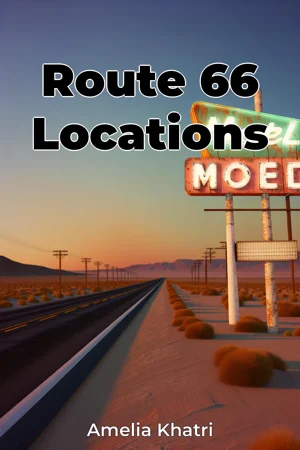
About This Book
"What defines the soul of America's most iconic highway?" This question sets the stage for "Route 66 Locations," a comprehensive exploration of the historic Route 66 and its enduring impact on American culture and geography. This book delves into the rich tapestry of locations along the "Mother Road," examining their historical significance, cultural impact, and current status. The book focuses on three key topics: the evolution of Route 66 from its inception to its decommissioning, the diverse array of attractions and landmarks along its path, and the ongoing efforts to preserve and revitalize this piece of American heritage. These topics are crucial for understanding the role Route 66 played in shaping 20th-century America and its continued relevance in the 21st century. To provide context, the book begins with an overview of early 20th-century American transportation history, explaining the need for improved road systems and the birth of the US Highway System. This background is essential for readers to grasp the revolutionary nature of Route 66 when it was established in 1926. The central argument of "Route 66 Locations" is that the highway's significance extends far beyond its function as a transportation route. It posits that Route 66 serves as a living museum of American culture, showcasing the nation's evolution through its architecture, businesses, and communities. This thesis is crucial for understanding why these locations matter and why their preservation is important. The book's structure follows the geographic path of Route 66 from Chicago to Los Angeles, divided into sections corresponding to the eight states it traverses. Each section explores: a) The historical development of Route 66 in that state b) Key cities, towns, and attractions along the route c) The cultural and economic impact of the highway on local communities The culmination ties these elements together to present a holistic view of Route 66's place in American history and its potential for future tourism and cultural preservation. To support its arguments, the book draws on a wide range of sources, including historical records, oral histories from residents and travelers, archival photographs, and contemporary surveys of Route 66 locations. It also incorporates data from economic impact studies and tourism statistics to demonstrate the ongoing relevance of these sites. The interdisciplinary nature of the book is evident in its connections to fields such as urban planning, examining how Route 66 influenced town development; sociology, exploring the highway's role in migration patterns; and economics, analyzing the rise and fall of businesses along the route. What sets this book apart is its comprehensive approach to documenting Route 66 locations. While many works focus on the road's history or offer travel guides, this book combines historical analysis, current status reports, and future outlooks for each significant location, providing a unique temporal perspective. The writing style is scholarly yet accessible, blending factual information with engaging narratives about the people and places that define Route 66. This approach makes the book suitable for academics, history enthusiasts, and potential Route 66 travelers alike. "Route 66 Locations" is intended for a diverse audience, including historians, preservationists, road trip enthusiasts, and anyone interested in American cultural geography. It offers valuable insights for those planning to explore Route 66, as well as those interested in the broader themes of American development and cultural preservation. In keeping with the travel and history genres, the book includes detailed maps, both historical and current, along with recommendations for experiencing the authentic character of Route 66 locations. It also addresses the challenges of historical preservation in the face of modernization and changing travel patterns. While the book covers the entire length of Route 66, it acknowledges that some original sections of the highway no longer exist. It focuses on locations that can still be visited or have been preserved in some form, providing a practical guide for modern-day explorers. Readers can apply the information in this book to plan their own Route 66 adventures, engage in preservation efforts, or simply gain a deeper appreciation for this slice of Americana. The book also serves as a call to action for the continued protection of these historical sites. "Route 66 Locations" addresses ongoing debates about the balance between preservation and progress, discussing controversies surrounding the redevelopment of certain Route 66 sites and the challenges of maintaining the road's historical integrity in the 21st century. By offering a detailed examination of Route 66 locations, this book provides a valuable resource for understanding and appreciating one of America's most enduring cultural symbols, inviting readers to explore the physical manifestations of a bygone era that continues to captivate the American imagination.
"What defines the soul of America's most iconic highway?" This question sets the stage for "Route 66 Locations," a comprehensive exploration of the historic Route 66 and its enduring impact on American culture and geography. This book delves into the rich tapestry of locations along the "Mother Road," examining their historical significance, cultural impact, and current status. The book focuses on three key topics: the evolution of Route 66 from its inception to its decommissioning, the diverse array of attractions and landmarks along its path, and the ongoing efforts to preserve and revitalize this piece of American heritage. These topics are crucial for understanding the role Route 66 played in shaping 20th-century America and its continued relevance in the 21st century. To provide context, the book begins with an overview of early 20th-century American transportation history, explaining the need for improved road systems and the birth of the US Highway System. This background is essential for readers to grasp the revolutionary nature of Route 66 when it was established in 1926. The central argument of "Route 66 Locations" is that the highway's significance extends far beyond its function as a transportation route. It posits that Route 66 serves as a living museum of American culture, showcasing the nation's evolution through its architecture, businesses, and communities. This thesis is crucial for understanding why these locations matter and why their preservation is important. The book's structure follows the geographic path of Route 66 from Chicago to Los Angeles, divided into sections corresponding to the eight states it traverses. Each section explores: a) The historical development of Route 66 in that state b) Key cities, towns, and attractions along the route c) The cultural and economic impact of the highway on local communities The culmination ties these elements together to present a holistic view of Route 66's place in American history and its potential for future tourism and cultural preservation. To support its arguments, the book draws on a wide range of sources, including historical records, oral histories from residents and travelers, archival photographs, and contemporary surveys of Route 66 locations. It also incorporates data from economic impact studies and tourism statistics to demonstrate the ongoing relevance of these sites. The interdisciplinary nature of the book is evident in its connections to fields such as urban planning, examining how Route 66 influenced town development; sociology, exploring the highway's role in migration patterns; and economics, analyzing the rise and fall of businesses along the route. What sets this book apart is its comprehensive approach to documenting Route 66 locations. While many works focus on the road's history or offer travel guides, this book combines historical analysis, current status reports, and future outlooks for each significant location, providing a unique temporal perspective. The writing style is scholarly yet accessible, blending factual information with engaging narratives about the people and places that define Route 66. This approach makes the book suitable for academics, history enthusiasts, and potential Route 66 travelers alike. "Route 66 Locations" is intended for a diverse audience, including historians, preservationists, road trip enthusiasts, and anyone interested in American cultural geography. It offers valuable insights for those planning to explore Route 66, as well as those interested in the broader themes of American development and cultural preservation. In keeping with the travel and history genres, the book includes detailed maps, both historical and current, along with recommendations for experiencing the authentic character of Route 66 locations. It also addresses the challenges of historical preservation in the face of modernization and changing travel patterns. While the book covers the entire length of Route 66, it acknowledges that some original sections of the highway no longer exist. It focuses on locations that can still be visited or have been preserved in some form, providing a practical guide for modern-day explorers. Readers can apply the information in this book to plan their own Route 66 adventures, engage in preservation efforts, or simply gain a deeper appreciation for this slice of Americana. The book also serves as a call to action for the continued protection of these historical sites. "Route 66 Locations" addresses ongoing debates about the balance between preservation and progress, discussing controversies surrounding the redevelopment of certain Route 66 sites and the challenges of maintaining the road's historical integrity in the 21st century. By offering a detailed examination of Route 66 locations, this book provides a valuable resource for understanding and appreciating one of America's most enduring cultural symbols, inviting readers to explore the physical manifestations of a bygone era that continues to captivate the American imagination.
"Route 66 Locations" takes readers on an illuminating journey along America's most iconic highway, exploring the rich tapestry of historical landmarks, cultural attractions, and urban developments that define the "Mother Road." This comprehensive guide delves into the evolution of Route 66 from its inception to its decommissioning, examining its profound impact on American culture and geography. The book follows the geographic path of Route 66 from Chicago to Los Angeles, offering a unique temporal perspective on each significant location. It combines historical analysis with current status reports and future outlooks, providing readers with a holistic view of the highway's place in American history. From the rise and fall of roadside businesses to the influence on migration patterns, "Route 66 Locations" paints a vivid picture of how this iconic route shaped 20th-century America and continues to captivate imaginations today. What sets this book apart is its interdisciplinary approach, blending elements of urban planning, sociology, and economics to present a nuanced understanding of Route 66's cultural significance. By examining preservation efforts and addressing debates surrounding redevelopment, the book serves as both a practical guide for modern-day explorers and a call to action for those interested in protecting this vital piece of Americana.
Book Details
ISBN
9788233934248
Publisher
Publifye AS
Your Licenses
You don't own any licenses for this book
Purchase a license below to unlock this book and download the EPUB.
Purchase License
Select a tier to unlock this book
Need bulk licensing?
Contact us for enterprise agreements.