
About This Book
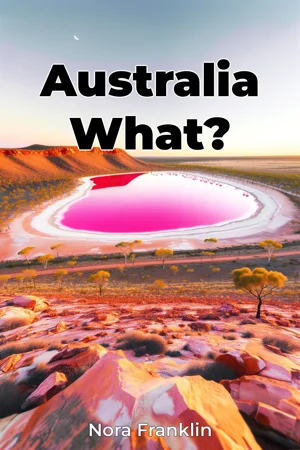
"Did you know that Australia is home to a mammal that lays eggs, a tree that can walk, and a desert that sings?" This intriguing question sets the stage for "Australia What?", a captivating exploration of the lesser-known wonders of the Land Down Under. This book delves into the hidden gems of Australia's diverse landscapes, unique wildlife, and fascinating cultural oddities that often escape the spotlight in mainstream travel literature. The book focuses on three main topics: unusual Australian wildlife, extraordinary natural phenomena, and quirky cultural practices. These subjects are crucial for readers seeking a deeper understanding of Australia beyond the typical tourist attractions, offering insights into the country's ecological diversity and distinctive national identity. To provide context, the book begins with a brief overview of Australia's geological and biological isolation, explaining how this has led to the evolution of unique flora and fauna found nowhere else on Earth. It also touches on the country's indigenous history and colonial past, which have shaped its modern cultural landscape. The central argument of "Australia What?" is that Australia's true essence lies in its lesser-known features, which offer a more authentic and nuanced perspective of the country than popular stereotypes. This thesis challenges readers to look beyond the surface and appreciate the complexity and diversity of the Australian continent. The book is structured in three main parts. The first section introduces readers to bizarre Australian wildlife, such as the platypus, the thorny devil, and the giant Gippsland earthworm. The second part explores natural wonders like the moving rocks of Death Valley, the pink lakes of Western Australia, and the Min Min lights of the Outback. The final section delves into unique cultural aspects, including the world's longest fence, underground cities, and peculiar local festivals. To support its arguments, the book draws on a wide range of scientific studies, historical records, and firsthand accounts from locals and experts. It incorporates data from ecological surveys, geological reports, and anthropological research to provide a comprehensive and factual presentation of its subjects. "Australia What?" makes connections to various fields, including biology, geology, and anthropology. It explores how Australia's unique ecosystems have influenced global understanding of evolution and biodiversity. The book also examines how the country's geological features have shaped human settlement patterns and cultural practices. What sets this book apart is its focus on the obscure and often overlooked aspects of Australia. It challenges common perceptions by presenting a collection of curiosities that paint a more complex picture of the country. The writing style is informative yet accessible, blending scientific facts with engaging narratives and personal anecdotes from researchers and locals. The target audience for "Australia What?" includes nature enthusiasts, curious travelers, and anyone interested in discovering the hidden side of popular destinations. It appeals to readers who seek to go beyond surface-level tourism and gain a deeper appreciation for Australia's natural and cultural diversity. As a travel and nature book, "Australia What?" incorporates vivid descriptions of landscapes and wildlife, along with practical information for those interested in visiting the featured locations. It also includes maps, photographs, and illustrations to help readers visualize the described phenomena. While the book covers a wide range of topics, it acknowledges that it cannot be exhaustive. It focuses primarily on mainland Australia, with limited coverage of Tasmania and offshore territories. The book aims to provide a representative sample of Australia's lesser-known features rather than an all-encompassing catalogue. Readers can apply the information in this book to plan unique travel experiences, gain conversation starters about Australia, or simply satisfy their curiosity about the world's quirks. For students and researchers, it may serve as a springboard for further exploration into specific areas of Australian ecology or culture. "Australia What?" also addresses some controversies, such as the environmental impact of tourism on fragile ecosystems and the ethical considerations of interacting with wildlife. It presents balanced viewpoints on these issues, encouraging readers to think critically about responsible travel and conservation. In essence, "Australia What?" offers a fresh perspective on a familiar destination, inviting readers to discover the surprising, the unusual, and the overlooked aspects of Australia. It combines scientific rigor with a sense of wonder, presenting a factual yet captivating portrait of a land that continues to surprise and delight even the most seasoned travelers and nature enthusiasts.
"Did you know that Australia is home to a mammal that lays eggs, a tree that can walk, and a desert that sings?" This intriguing question sets the stage for "Australia What?", a captivating exploration of the lesser-known wonders of the Land Down Under. This book delves into the hidden gems of Australia's diverse landscapes, unique wildlife, and fascinating cultural oddities that often escape the spotlight in mainstream travel literature. The book focuses on three main topics: unusual Australian wildlife, extraordinary natural phenomena, and quirky cultural practices. These subjects are crucial for readers seeking a deeper understanding of Australia beyond the typical tourist attractions, offering insights into the country's ecological diversity and distinctive national identity. To provide context, the book begins with a brief overview of Australia's geological and biological isolation, explaining how this has led to the evolution of unique flora and fauna found nowhere else on Earth. It also touches on the country's indigenous history and colonial past, which have shaped its modern cultural landscape. The central argument of "Australia What?" is that Australia's true essence lies in its lesser-known features, which offer a more authentic and nuanced perspective of the country than popular stereotypes. This thesis challenges readers to look beyond the surface and appreciate the complexity and diversity of the Australian continent. The book is structured in three main parts. The first section introduces readers to bizarre Australian wildlife, such as the platypus, the thorny devil, and the giant Gippsland earthworm. The second part explores natural wonders like the moving rocks of Death Valley, the pink lakes of Western Australia, and the Min Min lights of the Outback. The final section delves into unique cultural aspects, including the world's longest fence, underground cities, and peculiar local festivals. To support its arguments, the book draws on a wide range of scientific studies, historical records, and firsthand accounts from locals and experts. It incorporates data from ecological surveys, geological reports, and anthropological research to provide a comprehensive and factual presentation of its subjects. "Australia What?" makes connections to various fields, including biology, geology, and anthropology. It explores how Australia's unique ecosystems have influenced global understanding of evolution and biodiversity. The book also examines how the country's geological features have shaped human settlement patterns and cultural practices. What sets this book apart is its focus on the obscure and often overlooked aspects of Australia. It challenges common perceptions by presenting a collection of curiosities that paint a more complex picture of the country. The writing style is informative yet accessible, blending scientific facts with engaging narratives and personal anecdotes from researchers and locals. The target audience for "Australia What?" includes nature enthusiasts, curious travelers, and anyone interested in discovering the hidden side of popular destinations. It appeals to readers who seek to go beyond surface-level tourism and gain a deeper appreciation for Australia's natural and cultural diversity. As a travel and nature book, "Australia What?" incorporates vivid descriptions of landscapes and wildlife, along with practical information for those interested in visiting the featured locations. It also includes maps, photographs, and illustrations to help readers visualize the described phenomena. While the book covers a wide range of topics, it acknowledges that it cannot be exhaustive. It focuses primarily on mainland Australia, with limited coverage of Tasmania and offshore territories. The book aims to provide a representative sample of Australia's lesser-known features rather than an all-encompassing catalogue. Readers can apply the information in this book to plan unique travel experiences, gain conversation starters about Australia, or simply satisfy their curiosity about the world's quirks. For students and researchers, it may serve as a springboard for further exploration into specific areas of Australian ecology or culture. "Australia What?" also addresses some controversies, such as the environmental impact of tourism on fragile ecosystems and the ethical considerations of interacting with wildlife. It presents balanced viewpoints on these issues, encouraging readers to think critically about responsible travel and conservation. In essence, "Australia What?" offers a fresh perspective on a familiar destination, inviting readers to discover the surprising, the unusual, and the overlooked aspects of Australia. It combines scientific rigor with a sense of wonder, presenting a factual yet captivating portrait of a land that continues to surprise and delight even the most seasoned travelers and nature enthusiasts.
"Australia What?" unveils the hidden wonders of the Land Down Under, taking readers on a journey through its unique wildlife, extraordinary natural phenomena, and quirky cultural practices. This captivating exploration goes beyond typical tourist attractions, offering insights into Australia's ecological diversity and distinctive national identity. From egg-laying mammals to walking trees and singing deserts, the book showcases the country's lesser-known features that paint a more authentic and nuanced picture of the continent. Structured in three parts, the book introduces readers to bizarre Australian wildlife like the platypus and thorny devil, explores natural wonders such as the pink lakes of Western Australia, and delves into unique cultural aspects including underground cities. Drawing on scientific studies, historical records, and firsthand accounts, "Australia What?" blends informative content with engaging narratives, making it accessible to nature enthusiasts and curious travelers alike. The book's focus on obscure and often overlooked aspects challenges common perceptions, presenting a collection of curiosities that highlight Australia's complexity and diversity. By examining how Australia's unique ecosystems have influenced global understanding of evolution and biodiversity, the book connects various fields including biology, geology, and anthropology. It encourages readers to look beyond surface-level tourism and gain a deeper appreciation for the country's natural and cultural richness, while also addressing environmental concerns and promoting responsible travel.
Book Details
ISBN
9788233934231
Publisher
Publifye AS
Your Licenses
You don't own any licenses for this book
Purchase a license below to unlock this book and download the EPUB.
Purchase License
Select a tier to unlock this book
Need bulk licensing?
Contact us for enterprise agreements.