
About This Book
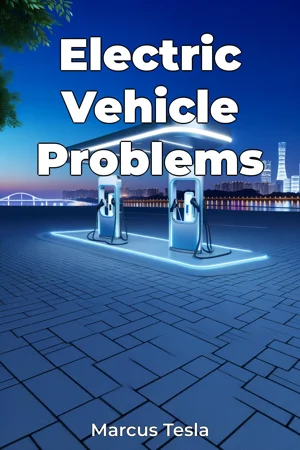
"Are electric vehicles truly the panacea for our transportation woes, or do they come with their own set of challenges?" This question sets the stage for "Electric Vehicle Problems," a comprehensive examination of the hurdles facing the widespread adoption of electric vehicles (EVs) in our modern world. The book delves into three main topics: technological limitations, infrastructure challenges, and environmental concerns. These issues are crucial to understand as governments and industries worldwide push for a transition to electric transportation. By exploring these topics, readers will gain insight into the complex realities of implementing a revolutionary change in how we power our vehicles. To provide context, the book begins with a brief history of electric vehicles, tracing their development from the early 20th century to the present day. This background helps readers appreciate the long-standing challenges that have persisted in EV technology and why solving these issues is more critical now than ever before. The central argument of "Electric Vehicle Problems" is that while EVs offer significant potential benefits, they also present a host of complex challenges that must be addressed for successful widespread adoption. The book contends that understanding and solving these problems is essential for realizing the full potential of electric transportation and mitigating its drawbacks. The content is structured to guide readers through each major challenge facing EVs. It starts by examining the technological limitations, focusing on battery technology, range anxiety, and charging times. The book then explores infrastructure challenges, including the need for extensive charging networks and the strain on electrical grids. Finally, it addresses environmental concerns, such as the sourcing of materials for batteries and the overall lifecycle impact of EVs compared to traditional vehicles. To support its arguments, the book draws on a wide range of scientific studies, industry reports, and expert interviews. It presents data from real-world EV usage, battery performance tests, and environmental impact assessments. The research methodology includes both quantitative analyses of EV performance metrics and qualitative studies of consumer attitudes and behaviors. "Electric Vehicle Problems" makes interdisciplinary connections to fields such as materials science, urban planning, and energy policy. These connections highlight how advancements in battery technology could revolutionize energy storage, how the rise of EVs might reshape our cities, and how energy policies must evolve to accommodate the changing transportation landscape. The book takes a unique approach by presenting a balanced view of the EV revolution, acknowledging both its potential benefits and its current shortcomings. It avoids the common pitfall of either overhyping or dismissing electric vehicles, instead offering a nuanced analysis of their place in our transportation future. Written in an accessible yet informative style, "Electric Vehicle Problems" strikes a balance between technical detail and general readability. It employs clear explanations, relevant analogies, and occasional case studies to illustrate complex concepts. The target audience includes policymakers, industry professionals, environmentally conscious consumers, and anyone interested in the future of transportation. The book provides valuable insights for those considering purchasing an EV, as well as for professionals working in related fields. As a work of technology non-fiction, the book adheres to conventions of the genre by presenting well-researched information, explaining technical concepts clearly, and exploring the societal implications of technological change. While comprehensive in its coverage of EV challenges, the book acknowledges that it cannot predict future technological breakthroughs or policy changes that may alter the landscape of electric transportation. Readers can apply the knowledge gained from this book to make informed decisions about EV purchases, understand the broader implications of transportation electrification, and engage more effectively in discussions about energy and environmental policy. "Electric Vehicle Problems" addresses ongoing debates in the field, such as the true environmental impact of EVs when considering their entire lifecycle, and the role of government incentives in promoting EV adoption. By providing a clear-eyed assessment of the challenges facing electric vehicles, this book equips readers with the knowledge needed to critically evaluate the future of transportation and the role that EVs will play in shaping our world.
"Are electric vehicles truly the panacea for our transportation woes, or do they come with their own set of challenges?" This question sets the stage for "Electric Vehicle Problems," a comprehensive examination of the hurdles facing the widespread adoption of electric vehicles (EVs) in our modern world. The book delves into three main topics: technological limitations, infrastructure challenges, and environmental concerns. These issues are crucial to understand as governments and industries worldwide push for a transition to electric transportation. By exploring these topics, readers will gain insight into the complex realities of implementing a revolutionary change in how we power our vehicles. To provide context, the book begins with a brief history of electric vehicles, tracing their development from the early 20th century to the present day. This background helps readers appreciate the long-standing challenges that have persisted in EV technology and why solving these issues is more critical now than ever before. The central argument of "Electric Vehicle Problems" is that while EVs offer significant potential benefits, they also present a host of complex challenges that must be addressed for successful widespread adoption. The book contends that understanding and solving these problems is essential for realizing the full potential of electric transportation and mitigating its drawbacks. The content is structured to guide readers through each major challenge facing EVs. It starts by examining the technological limitations, focusing on battery technology, range anxiety, and charging times. The book then explores infrastructure challenges, including the need for extensive charging networks and the strain on electrical grids. Finally, it addresses environmental concerns, such as the sourcing of materials for batteries and the overall lifecycle impact of EVs compared to traditional vehicles. To support its arguments, the book draws on a wide range of scientific studies, industry reports, and expert interviews. It presents data from real-world EV usage, battery performance tests, and environmental impact assessments. The research methodology includes both quantitative analyses of EV performance metrics and qualitative studies of consumer attitudes and behaviors. "Electric Vehicle Problems" makes interdisciplinary connections to fields such as materials science, urban planning, and energy policy. These connections highlight how advancements in battery technology could revolutionize energy storage, how the rise of EVs might reshape our cities, and how energy policies must evolve to accommodate the changing transportation landscape. The book takes a unique approach by presenting a balanced view of the EV revolution, acknowledging both its potential benefits and its current shortcomings. It avoids the common pitfall of either overhyping or dismissing electric vehicles, instead offering a nuanced analysis of their place in our transportation future. Written in an accessible yet informative style, "Electric Vehicle Problems" strikes a balance between technical detail and general readability. It employs clear explanations, relevant analogies, and occasional case studies to illustrate complex concepts. The target audience includes policymakers, industry professionals, environmentally conscious consumers, and anyone interested in the future of transportation. The book provides valuable insights for those considering purchasing an EV, as well as for professionals working in related fields. As a work of technology non-fiction, the book adheres to conventions of the genre by presenting well-researched information, explaining technical concepts clearly, and exploring the societal implications of technological change. While comprehensive in its coverage of EV challenges, the book acknowledges that it cannot predict future technological breakthroughs or policy changes that may alter the landscape of electric transportation. Readers can apply the knowledge gained from this book to make informed decisions about EV purchases, understand the broader implications of transportation electrification, and engage more effectively in discussions about energy and environmental policy. "Electric Vehicle Problems" addresses ongoing debates in the field, such as the true environmental impact of EVs when considering their entire lifecycle, and the role of government incentives in promoting EV adoption. By providing a clear-eyed assessment of the challenges facing electric vehicles, this book equips readers with the knowledge needed to critically evaluate the future of transportation and the role that EVs will play in shaping our world.
"Electric Vehicle Problems" delves into the complex challenges facing the widespread adoption of electric vehicles (EVs) in our modern world. This comprehensive examination focuses on three main areas: technological limitations, infrastructure challenges, and environmental concerns. The book argues that while EVs offer significant potential benefits, understanding and addressing these issues is crucial for realizing their full potential and mitigating drawbacks. The book takes readers on a journey through the evolution of EV technology, from its early 20th-century roots to present-day innovations. It explores key hurdles such as battery technology constraints, range anxiety, and the need for extensive charging networks. By drawing on scientific studies, industry reports, and expert interviews, the book presents a balanced view of the EV revolution, acknowledging both its promise and current shortcomings. Written in an accessible style, "Electric Vehicle Problems" offers valuable insights for policymakers, industry professionals, and environmentally conscious consumers alike. It makes interdisciplinary connections to fields such as materials science and urban planning, highlighting how advancements in EV technology could reshape our cities and energy policies. This nuanced analysis equips readers with the knowledge needed to critically evaluate the future of transportation and the role EVs will play in shaping our world.
Book Details
ISBN
9788233934170
Publisher
Publifye AS
Your Licenses
You don't own any licenses for this book
Purchase a license below to unlock this book and download the EPUB.
Purchase License
Select a tier to unlock this book
Need bulk licensing?
Contact us for enterprise agreements.