
About This Book
"The Dolphin" opens with a provocative question: "What secrets lie beneath the waves in the world of one of Earth's most intelligent marine mammals?" This compelling inquiry sets the stage for a comprehensive exploration of dolphin biology, behavior, and habitat, inviting readers to dive deep into the fascinating realm of these remarkable creatures. The book focuses on three key topics: dolphin anatomy and physiology, social behavior and communication, and their diverse habitats across the world's oceans. These topics are crucial for understanding not only dolphins themselves but also the broader marine ecosystem and the impact of human activities on oceanic life. To provide context, the book delves into the evolutionary history of dolphins, tracing their journey from land-dwelling mammals to fully aquatic creatures over millions of years. This background helps readers appreciate the unique adaptations dolphins have developed and sets the stage for understanding their current ecological role. The central argument of "The Dolphin" is that these animals represent a pinnacle of marine mammal evolution, demonstrating remarkable cognitive abilities, social structures, and adaptability to various aquatic environments. This thesis underscores the importance of dolphin conservation and the need for a deeper understanding of their role in maintaining healthy ocean ecosystems. The book is structured to guide readers through a logical progression of topics. It begins with an introduction to dolphin species diversity, followed by in-depth examinations of their physical characteristics, sensory systems, and cognitive abilities. The narrative then explores dolphin social structures, communication methods, and hunting strategies. Finally, it surveys the wide range of habitats dolphins occupy, from coastal waters to the open ocean, and discusses the challenges they face in each environment. To support its arguments, "The Dolphin" draws on a wealth of scientific research, including long-term behavioral studies, acoustic analysis of dolphin vocalizations, and cutting-edge neurological investigations. The book also incorporates data from satellite tracking studies and marine ecosystem surveys to provide a comprehensive view of dolphin life. Interdisciplinary connections are made to fields such as oceanography, highlighting how dolphin behavior can indicate changes in ocean currents and water quality. Links to cognitive science are explored, comparing dolphin intelligence to that of primates and other highly cognitive species. The book also touches on the intersection of dolphin studies with marine conservation efforts, emphasizing the role of these animals as indicators of overall ocean health. What sets "The Dolphin" apart is its holistic approach to understanding these animals. Instead of focusing solely on biology, the book integrates aspects of ecology, ethology, and conservation biology to present a multifaceted view of dolphin life. This approach allows readers to appreciate the complexity of dolphin existence and their intricate relationships with their environment and other species. The writing style is accessible yet informative, striking a balance between scientific accuracy and engaging narrative. Technical concepts are explained clearly, making the book suitable for both general readers with an interest in marine life and students of marine biology or environmental science. "The Dolphin" is primarily aimed at nature enthusiasts, conservationists, and students of marine biology. However, its broad coverage and engaging style make it valuable to anyone interested in understanding the intricacies of marine ecosystems and the remarkable adaptations of ocean life. As a work of nature non-fiction, the book adheres to scientific rigor while maintaining a sense of wonder about its subject. It includes detailed descriptions of dolphin behavior, supported by firsthand accounts from researchers and vivid explanations of scientific concepts. While the book provides a comprehensive overview of dolphin biology and ecology, it acknowledges the limitations of current scientific knowledge, particularly regarding the full extent of dolphin cognitive abilities and the long-term impacts of human activities on their populations. Readers can apply the knowledge gained from this book to become more informed advocates for marine conservation, understand the impacts of their choices on ocean ecosystems, and appreciate the complexity of marine mammal life during wildlife-watching activities. The book addresses ongoing debates in the field, such as the ethics of keeping dolphins in captivity and the impact of naval sonar on cetacean populations, presenting balanced viewpoints and the latest scientific evidence on these issues. "The Dolphin" offers a thorough, engaging, and scientifically grounded exploration of its subject, providing readers with a deeper understanding of these captivating marine mammals and their crucial role in the world's oceans.
"The Dolphin" opens with a provocative question: "What secrets lie beneath the waves in the world of one of Earth's most intelligent marine mammals?" This compelling inquiry sets the stage for a comprehensive exploration of dolphin biology, behavior, and habitat, inviting readers to dive deep into the fascinating realm of these remarkable creatures. The book focuses on three key topics: dolphin anatomy and physiology, social behavior and communication, and their diverse habitats across the world's oceans. These topics are crucial for understanding not only dolphins themselves but also the broader marine ecosystem and the impact of human activities on oceanic life. To provide context, the book delves into the evolutionary history of dolphins, tracing their journey from land-dwelling mammals to fully aquatic creatures over millions of years. This background helps readers appreciate the unique adaptations dolphins have developed and sets the stage for understanding their current ecological role. The central argument of "The Dolphin" is that these animals represent a pinnacle of marine mammal evolution, demonstrating remarkable cognitive abilities, social structures, and adaptability to various aquatic environments. This thesis underscores the importance of dolphin conservation and the need for a deeper understanding of their role in maintaining healthy ocean ecosystems. The book is structured to guide readers through a logical progression of topics. It begins with an introduction to dolphin species diversity, followed by in-depth examinations of their physical characteristics, sensory systems, and cognitive abilities. The narrative then explores dolphin social structures, communication methods, and hunting strategies. Finally, it surveys the wide range of habitats dolphins occupy, from coastal waters to the open ocean, and discusses the challenges they face in each environment. To support its arguments, "The Dolphin" draws on a wealth of scientific research, including long-term behavioral studies, acoustic analysis of dolphin vocalizations, and cutting-edge neurological investigations. The book also incorporates data from satellite tracking studies and marine ecosystem surveys to provide a comprehensive view of dolphin life. Interdisciplinary connections are made to fields such as oceanography, highlighting how dolphin behavior can indicate changes in ocean currents and water quality. Links to cognitive science are explored, comparing dolphin intelligence to that of primates and other highly cognitive species. The book also touches on the intersection of dolphin studies with marine conservation efforts, emphasizing the role of these animals as indicators of overall ocean health. What sets "The Dolphin" apart is its holistic approach to understanding these animals. Instead of focusing solely on biology, the book integrates aspects of ecology, ethology, and conservation biology to present a multifaceted view of dolphin life. This approach allows readers to appreciate the complexity of dolphin existence and their intricate relationships with their environment and other species. The writing style is accessible yet informative, striking a balance between scientific accuracy and engaging narrative. Technical concepts are explained clearly, making the book suitable for both general readers with an interest in marine life and students of marine biology or environmental science. "The Dolphin" is primarily aimed at nature enthusiasts, conservationists, and students of marine biology. However, its broad coverage and engaging style make it valuable to anyone interested in understanding the intricacies of marine ecosystems and the remarkable adaptations of ocean life. As a work of nature non-fiction, the book adheres to scientific rigor while maintaining a sense of wonder about its subject. It includes detailed descriptions of dolphin behavior, supported by firsthand accounts from researchers and vivid explanations of scientific concepts. While the book provides a comprehensive overview of dolphin biology and ecology, it acknowledges the limitations of current scientific knowledge, particularly regarding the full extent of dolphin cognitive abilities and the long-term impacts of human activities on their populations. Readers can apply the knowledge gained from this book to become more informed advocates for marine conservation, understand the impacts of their choices on ocean ecosystems, and appreciate the complexity of marine mammal life during wildlife-watching activities. The book addresses ongoing debates in the field, such as the ethics of keeping dolphins in captivity and the impact of naval sonar on cetacean populations, presenting balanced viewpoints and the latest scientific evidence on these issues. "The Dolphin" offers a thorough, engaging, and scientifically grounded exploration of its subject, providing readers with a deeper understanding of these captivating marine mammals and their crucial role in the world's oceans.
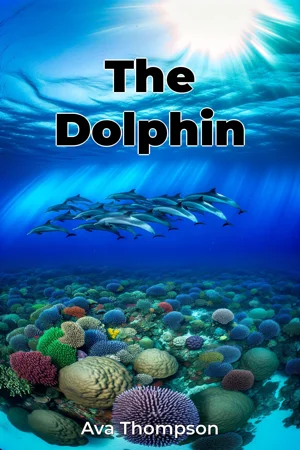
"The Dolphin" plunges readers into the captivating world of one of Earth's most intelligent marine mammals, exploring their biology, behavior, and habitats across the world's oceans. This comprehensive book takes readers on a journey from dolphins' evolutionary past as land-dwelling mammals to their current status as fully aquatic creatures, highlighting the remarkable adaptations they've developed along the way. The book's holistic approach sets it apart, integrating aspects of ecology, ethology, and conservation biology to present a multifaceted view of dolphin life. It explores their complex social structures, sophisticated communication methods, and impressive cognitive abilities, drawing comparisons to primates and other highly intelligent species. Readers will discover fascinating insights into dolphin echolocation, their diverse hunting strategies, and the wide range of habitats they occupy, from coastal waters to the open ocean. As it progresses, "The Dolphin" delves into the challenges these animals face in various environments and their role as indicators of ocean health. The accessible yet informative writing style makes complex scientific concepts easy to grasp, appealing to both nature enthusiasts and students of marine biology. By the end, readers will gain a deeper appreciation for these remarkable creatures and their crucial role in maintaining healthy ocean ecosystems.
Book Details
ISBN
9788233934101
Publisher
Publifye AS
Your Licenses
You don't own any licenses for this book
Purchase a license below to unlock this book and download the EPUB.
Purchase License
Select a tier to unlock this book
Need bulk licensing?
Contact us for enterprise agreements.