
About This Book
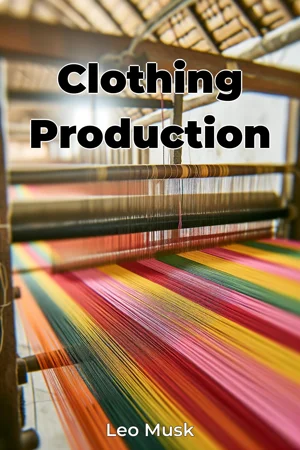
"Clothing Production: The Global Journey from Fiber to Fashion" Have you ever wondered about the intricate process behind the clothes you wear every day? This comprehensive guide takes you on a fascinating journey through the complex world of clothing production, from the initial design concept to the finished garment hanging in your closet. The book explores three main topics that form the backbone of modern clothing production: supply chain management, sustainable manufacturing practices, and technological innovations in the textile industry. Understanding these interconnected elements is crucial for anyone interested in the business of fashion, environmental sustainability, or the future of manufacturing. To fully appreciate the current state of clothing production, we must first examine its historical context. The book traces the evolution of garment manufacturing from small-scale artisanal production to the global, industrialized process we see today. This transformation has been driven by technological advancements, changing consumer demands, and economic globalization. The central argument of "Clothing Production" is that the future of the garment industry lies in the successful integration of efficient supply chain management, sustainable practices, and cutting-edge technology. This holistic approach is essential for addressing the industry's environmental impact, meeting consumer expectations, and maintaining profitability in an increasingly competitive global market. The book is structured to provide a logical progression through the clothing production process. It begins by introducing the fundamentals of textile manufacturing and garment construction. From there, it delves into the intricacies of global supply chains, exploring how raw materials are sourced, processed, and transported across continents. The narrative then shifts to sustainable manufacturing practices, examining innovative approaches to reduce waste, conserve resources, and improve working conditions. Finally, the book culminates in an exploration of emerging technologies that are reshaping the industry, from 3D printing and smart textiles to AI-driven design and production systems. To support its arguments, "Clothing Production" draws upon a wealth of industry data, academic research, and case studies from leading fashion brands and manufacturers. The book also features insights from interviews with fashion designers, supply chain experts, and sustainability advocates, providing a multi-faceted view of the industry. The interdisciplinary nature of clothing production is evident throughout the book. It connects business strategy with environmental science, exploring how ecological concerns are reshaping corporate decision-making. Additionally, it examines the intersection of fashion design and materials engineering, showcasing how new fabrics and production techniques are expanding the boundaries of what's possible in clothing design. What sets this book apart is its comprehensive approach to a complex subject. Rather than focusing solely on design or manufacturing, it provides a holistic view of the entire clothing production ecosystem. This broad perspective allows readers to understand the interconnectedness of various industry components and the ripple effects of changes in one area on the entire system. Written in an informative yet accessible style, "Clothing Production" strikes a balance between technical detail and general interest. While it includes industry-specific terminology and concepts, these are clearly explained for a general audience. The tone is objective and analytical, avoiding sensationalism in favor of factual presentation and reasoned analysis. The primary audience for this book includes fashion and textile students, industry professionals, and business leaders in the retail and manufacturing sectors. However, it will also appeal to environmentally conscious consumers interested in understanding the impact of their clothing choices. As a work of business and technology non-fiction, the book adheres to conventions of the genre by providing clear, well-researched information, practical insights, and future-oriented analysis. It includes relevant statistics, industry trends, and expert opinions to support its arguments. While the book provides a comprehensive overview of global clothing production, it acknowledges that it cannot cover every aspect of this vast industry in depth. Instead, it focuses on key processes, major players, and significant trends that are shaping the future of garment manufacturing. Readers will find numerous practical applications for the knowledge gained from this book. For industry professionals, it offers strategies for optimizing supply chains and implementing sustainable practices. For consumers, it provides insights that can inform more conscious purchasing decisions. Entrepreneurs will discover potential opportunities for innovation within the clothing production ecosystem. "Clothing Production" addresses ongoing debates within the fashion industry, such as the tension between fast fashion and sustainability, the ethics of global supply chains, and the potential impact of automation on garment workers. By presenting multiple perspectives on these issues, the book encourages readers to think critically about the future of clothing production. This comprehensive guide to clothing production offers readers a deeper understanding of the complex processes behind the garments we wear every day. By exploring the intersection of business strategy, technological innovation, and environmental concerns, it provides valuable insights into one of the world's largest and most influential industries.
"Clothing Production: The Global Journey from Fiber to Fashion" Have you ever wondered about the intricate process behind the clothes you wear every day? This comprehensive guide takes you on a fascinating journey through the complex world of clothing production, from the initial design concept to the finished garment hanging in your closet. The book explores three main topics that form the backbone of modern clothing production: supply chain management, sustainable manufacturing practices, and technological innovations in the textile industry. Understanding these interconnected elements is crucial for anyone interested in the business of fashion, environmental sustainability, or the future of manufacturing. To fully appreciate the current state of clothing production, we must first examine its historical context. The book traces the evolution of garment manufacturing from small-scale artisanal production to the global, industrialized process we see today. This transformation has been driven by technological advancements, changing consumer demands, and economic globalization. The central argument of "Clothing Production" is that the future of the garment industry lies in the successful integration of efficient supply chain management, sustainable practices, and cutting-edge technology. This holistic approach is essential for addressing the industry's environmental impact, meeting consumer expectations, and maintaining profitability in an increasingly competitive global market. The book is structured to provide a logical progression through the clothing production process. It begins by introducing the fundamentals of textile manufacturing and garment construction. From there, it delves into the intricacies of global supply chains, exploring how raw materials are sourced, processed, and transported across continents. The narrative then shifts to sustainable manufacturing practices, examining innovative approaches to reduce waste, conserve resources, and improve working conditions. Finally, the book culminates in an exploration of emerging technologies that are reshaping the industry, from 3D printing and smart textiles to AI-driven design and production systems. To support its arguments, "Clothing Production" draws upon a wealth of industry data, academic research, and case studies from leading fashion brands and manufacturers. The book also features insights from interviews with fashion designers, supply chain experts, and sustainability advocates, providing a multi-faceted view of the industry. The interdisciplinary nature of clothing production is evident throughout the book. It connects business strategy with environmental science, exploring how ecological concerns are reshaping corporate decision-making. Additionally, it examines the intersection of fashion design and materials engineering, showcasing how new fabrics and production techniques are expanding the boundaries of what's possible in clothing design. What sets this book apart is its comprehensive approach to a complex subject. Rather than focusing solely on design or manufacturing, it provides a holistic view of the entire clothing production ecosystem. This broad perspective allows readers to understand the interconnectedness of various industry components and the ripple effects of changes in one area on the entire system. Written in an informative yet accessible style, "Clothing Production" strikes a balance between technical detail and general interest. While it includes industry-specific terminology and concepts, these are clearly explained for a general audience. The tone is objective and analytical, avoiding sensationalism in favor of factual presentation and reasoned analysis. The primary audience for this book includes fashion and textile students, industry professionals, and business leaders in the retail and manufacturing sectors. However, it will also appeal to environmentally conscious consumers interested in understanding the impact of their clothing choices. As a work of business and technology non-fiction, the book adheres to conventions of the genre by providing clear, well-researched information, practical insights, and future-oriented analysis. It includes relevant statistics, industry trends, and expert opinions to support its arguments. While the book provides a comprehensive overview of global clothing production, it acknowledges that it cannot cover every aspect of this vast industry in depth. Instead, it focuses on key processes, major players, and significant trends that are shaping the future of garment manufacturing. Readers will find numerous practical applications for the knowledge gained from this book. For industry professionals, it offers strategies for optimizing supply chains and implementing sustainable practices. For consumers, it provides insights that can inform more conscious purchasing decisions. Entrepreneurs will discover potential opportunities for innovation within the clothing production ecosystem. "Clothing Production" addresses ongoing debates within the fashion industry, such as the tension between fast fashion and sustainability, the ethics of global supply chains, and the potential impact of automation on garment workers. By presenting multiple perspectives on these issues, the book encourages readers to think critically about the future of clothing production. This comprehensive guide to clothing production offers readers a deeper understanding of the complex processes behind the garments we wear every day. By exploring the intersection of business strategy, technological innovation, and environmental concerns, it provides valuable insights into one of the world's largest and most influential industries.
"Clothing Production: The Global Journey from Fiber to Fashion" offers a comprehensive exploration of the complex world of garment manufacturing, from initial design to finished product. This insightful book examines three crucial aspects of modern clothing production: supply chain management, sustainable manufacturing practices, and technological innovations in the textile industry. By tracing the evolution of garment manufacturing from artisanal production to today's global, industrialized process, the book provides a historical context for understanding current industry practices. The book's unique value lies in its holistic approach, connecting business strategy with environmental science and fashion design with materials engineering. It progresses logically through the clothing production process, starting with textile manufacturing fundamentals and moving through global supply chains, sustainable practices, and emerging technologies. Drawing on industry data, academic research, and case studies from leading fashion brands, the book offers a multi-faceted view of the industry that appeals to both professionals and environmentally conscious consumers. Striking a balance between technical detail and general interest, "Clothing Production" presents complex concepts in an accessible manner. It addresses ongoing debates within the fashion industry, such as the tension between fast fashion and sustainability, encouraging readers to think critically about the future of clothing production. This comprehensive guide provides valuable insights into one of the world's most influential industries, offering practical applications for industry professionals, consumers, and entrepreneurs alike.
Book Details
ISBN
9788233934040
Publisher
Publifye AS
Your Licenses
You don't own any licenses for this book
Purchase a license below to unlock this book and download the EPUB.
Purchase License
Select a tier to unlock this book
Need bulk licensing?
Contact us for enterprise agreements.