
About This Book
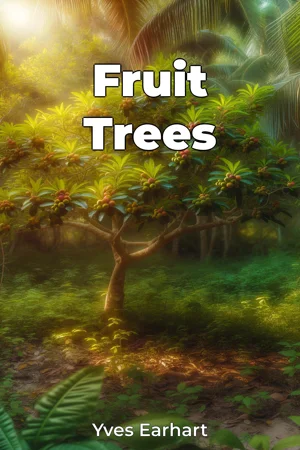
"What if you could travel the world without leaving your backyard?" This question opens "Fruit Trees," a comprehensive guide that explores the diverse world of fruit-bearing trees across the globe. The book delves into three main topics: the botany of fruit trees, their cultural significance, and sustainable cultivation practices. The importance of these topics lies in their relevance to global food security, biodiversity conservation, and sustainable agriculture. As climate change threatens traditional growing regions, understanding the adaptability and requirements of various fruit trees becomes crucial for ensuring future food production and preserving genetic diversity. To provide context, the book begins with a historical overview of fruit tree domestication, tracing the journey from wild species to cultivated varieties. It explores how human migration and trade routes influenced the spread of fruit trees across continents, shaping local cuisines and economies. Readers are introduced to basic botanical concepts necessary for understanding fruit tree biology, including pollination, grafting, and the role of climate in fruit development. The central argument of "Fruit Trees" is that a global perspective on fruit tree cultivation can lead to more resilient and sustainable food systems. By examining diverse species and growing methods from different regions, the book aims to provide readers with a toolkit for adapting fruit production to changing environmental conditions and local needs. The content is structured into three main sections. The first introduces readers to the botanical diversity of fruit trees, covering major families and their characteristics. The second section explores the cultural significance of fruit trees in various societies, examining their roles in religion, art, and traditional medicine. The final section focuses on sustainable cultivation practices, drawing on both traditional knowledge and modern horticultural techniques. To support its arguments, the book draws on a wide range of evidence, including botanical research, anthropological studies, and agricultural data. It incorporates case studies from fruit tree conservation projects and interviews with orchardists and researchers from around the world. The authors also present original research on the adaptability of various fruit tree species to different climatic conditions. "Fruit Trees" makes interdisciplinary connections between botany, anthropology, and climate science. It explores how fruit tree distribution patterns can inform our understanding of human migration and cultural exchange. Additionally, it examines the role of fruit trees in ecosystem services, such as carbon sequestration and habitat provision for pollinators. The book's unique approach lies in its global perspective, moving beyond the common focus on temperate fruit trees to explore lesser-known tropical and subtropical species. It challenges readers to reconsider their notion of what constitutes a "fruit tree" and encourages experimentation with unfamiliar species. Written in an accessible yet informative style, "Fruit Trees" balances scientific rigor with practical advice. It aims to engage both amateur gardeners and professional horticulturists, providing detailed botanical information alongside easy-to-follow cultivation tips. The target audience includes home gardeners, small-scale farmers, permaculture enthusiasts, and anyone interested in sustainable food production or botanical diversity. The book's global scope makes it relevant to readers in various climates and regions. As a work in the gardening and nature genres, "Fruit Trees" includes detailed plant profiles, growing guides, and information on pest and disease management. It also features high-quality photographs and illustrations to aid in species identification and demonstrate cultivation techniques. While the book covers a wide range of fruit tree species, it acknowledges that it cannot be exhaustive. It focuses on species with potential for wider cultivation or those that illustrate important botanical or cultural concepts. Readers can apply the information practically by selecting appropriate fruit tree species for their climate, implementing sustainable growing practices, and exploring the culinary and medicinal uses of various fruits. The book addresses ongoing debates in the field, such as the role of genetic modification in fruit tree breeding and the balance between preserving heirloom varieties and developing new, climate-resilient cultivars. By presenting a global perspective on fruit trees, this book offers readers a deeper understanding of botanical diversity, cultural practices, and sustainable cultivation methods, providing valuable insights for both personal and professional application in the realm of fruit tree cultivation and conservation.
"What if you could travel the world without leaving your backyard?" This question opens "Fruit Trees," a comprehensive guide that explores the diverse world of fruit-bearing trees across the globe. The book delves into three main topics: the botany of fruit trees, their cultural significance, and sustainable cultivation practices. The importance of these topics lies in their relevance to global food security, biodiversity conservation, and sustainable agriculture. As climate change threatens traditional growing regions, understanding the adaptability and requirements of various fruit trees becomes crucial for ensuring future food production and preserving genetic diversity. To provide context, the book begins with a historical overview of fruit tree domestication, tracing the journey from wild species to cultivated varieties. It explores how human migration and trade routes influenced the spread of fruit trees across continents, shaping local cuisines and economies. Readers are introduced to basic botanical concepts necessary for understanding fruit tree biology, including pollination, grafting, and the role of climate in fruit development. The central argument of "Fruit Trees" is that a global perspective on fruit tree cultivation can lead to more resilient and sustainable food systems. By examining diverse species and growing methods from different regions, the book aims to provide readers with a toolkit for adapting fruit production to changing environmental conditions and local needs. The content is structured into three main sections. The first introduces readers to the botanical diversity of fruit trees, covering major families and their characteristics. The second section explores the cultural significance of fruit trees in various societies, examining their roles in religion, art, and traditional medicine. The final section focuses on sustainable cultivation practices, drawing on both traditional knowledge and modern horticultural techniques. To support its arguments, the book draws on a wide range of evidence, including botanical research, anthropological studies, and agricultural data. It incorporates case studies from fruit tree conservation projects and interviews with orchardists and researchers from around the world. The authors also present original research on the adaptability of various fruit tree species to different climatic conditions. "Fruit Trees" makes interdisciplinary connections between botany, anthropology, and climate science. It explores how fruit tree distribution patterns can inform our understanding of human migration and cultural exchange. Additionally, it examines the role of fruit trees in ecosystem services, such as carbon sequestration and habitat provision for pollinators. The book's unique approach lies in its global perspective, moving beyond the common focus on temperate fruit trees to explore lesser-known tropical and subtropical species. It challenges readers to reconsider their notion of what constitutes a "fruit tree" and encourages experimentation with unfamiliar species. Written in an accessible yet informative style, "Fruit Trees" balances scientific rigor with practical advice. It aims to engage both amateur gardeners and professional horticulturists, providing detailed botanical information alongside easy-to-follow cultivation tips. The target audience includes home gardeners, small-scale farmers, permaculture enthusiasts, and anyone interested in sustainable food production or botanical diversity. The book's global scope makes it relevant to readers in various climates and regions. As a work in the gardening and nature genres, "Fruit Trees" includes detailed plant profiles, growing guides, and information on pest and disease management. It also features high-quality photographs and illustrations to aid in species identification and demonstrate cultivation techniques. While the book covers a wide range of fruit tree species, it acknowledges that it cannot be exhaustive. It focuses on species with potential for wider cultivation or those that illustrate important botanical or cultural concepts. Readers can apply the information practically by selecting appropriate fruit tree species for their climate, implementing sustainable growing practices, and exploring the culinary and medicinal uses of various fruits. The book addresses ongoing debates in the field, such as the role of genetic modification in fruit tree breeding and the balance between preserving heirloom varieties and developing new, climate-resilient cultivars. By presenting a global perspective on fruit trees, this book offers readers a deeper understanding of botanical diversity, cultural practices, and sustainable cultivation methods, providing valuable insights for both personal and professional application in the realm of fruit tree cultivation and conservation.
"Fruit Trees" takes readers on a global journey through the diverse world of fruit-bearing trees, exploring their botany, cultural significance, and sustainable cultivation practices. This comprehensive guide emphasizes the importance of fruit trees in global food security, biodiversity conservation, and sustainable agriculture, particularly in the face of climate change. The book begins with a historical overview of fruit tree domestication and explores how human migration influenced their spread across continents. It then delves into the botanical diversity of fruit trees, examining major families and their characteristics. The cultural significance of these trees in various societies is explored, highlighting their roles in religion, art, and traditional medicine. Finally, the book focuses on sustainable cultivation practices, combining traditional knowledge with modern horticultural techniques. What sets "Fruit Trees" apart is its global perspective, moving beyond temperate species to explore lesser-known tropical and subtropical varieties. By presenting a wide range of evidence, including case studies and original research, the book offers readers a toolkit for adapting fruit production to changing environmental conditions. This approach makes it valuable for home gardeners, small-scale farmers, and anyone interested in sustainable food production or botanical diversity.
Book Details
ISBN
9788233934033
Publisher
Publifye AS
Your Licenses
You don't own any licenses for this book
Purchase a license below to unlock this book and download the EPUB.
Purchase License
Select a tier to unlock this book
Need bulk licensing?
Contact us for enterprise agreements.